
Introduction
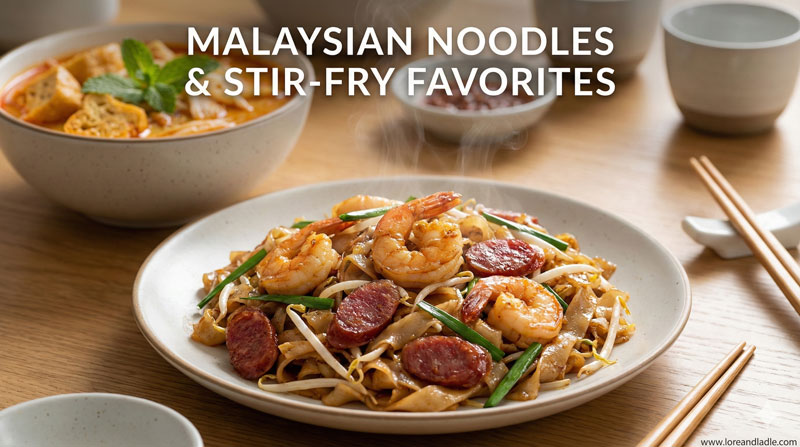
Curry Laksa Noodles is a celebration of warmth, depth, and balance. in the food world, this dish has earned its keep with a bright, coconut-rich curry base, silky noodles, and a chorus of textures. For U.S. food lovers, it offers an inviting doorway into Southeast Asian flavors that feel both comforting and adventurous. The dish stands out not just for taste, but for how it brings together ingredients and techniques that travelers and home cooks alike cherish. It invites curiosity, cleanliness of flavor, and a respectful reverence for craft.
A Rich Culinary Heritage
Curry laksa sits at the crossroads of several culinary streams, and that intersection is its strength. The coconut-curry broth carries a gentle sweetness, a peppery heat, and a depth earned through slow simmering. Noodles, herbs, and proteins arrive as distinct notes that harmonize in each bowl. This harmony is a daily expression of home kitchens and vibrant street stalls alike. The dish celebrates versatility: a curry paste built from spices, aromatics, and zest; a broth enriched by coconut milk; and toppings that introduce bright acidity, freshness, and crunch. In this way, curry laksa becomes more than a meal; it is a practiced art form that showcases how flavor layers can build trust and joy in a single sitting.
The Flavor Profile and Technique
The backbone is a fragrant curry paste, often featuring turmeric, lemongrass, galangal, garlic, shallots, and a blend of spices. When this base meets creamy coconut milk and stock, the result is a broth that glows with color and aroma. Next, lime, chili, and a hint of sweetness balance the heat and richness. The technique rewards patience: gently simmering to release aromatics, then adjusting with salt and acidity to taste. Finally, the noodles soak up the broth elegantly, while crisp toppings add textural contrast. In every bite, you taste a careful orchestration of spicy warmth, velvety creaminess, and bright brightness that lingers pleasantly.
The Noodle Experience
Noodles are the stage on which curry laksa performs. They should be glossy, tender, and able to hold a savory coating without becoming mushy. Thick rice noodles or slender vermicelli each bring a different personality to the bowl, and both complement the curry’s richness. The broth clings to each strand, creating a satisfying mouthfeel. Add a crunchy element—bean sprouts, cucumber, or fried shallots—and you get a chorus of textures: soft, crisp, and a little toasty. The balance between the broth and the noodle bite is deliberate, inviting you to savor long, thoughtful slurps rather than quick bites.
Regional Variations and Cultural Significance
Across Malaysia and Singapore, curry laksa features regional accents that honor local ingredients and preferences. Some versions lean into a deeper coconut creaminess, while others emphasize a more tangy, curry-forward profile. The choice of greens, herbs, and garnishes can shift the bouquet from floral to zesty to herb-forward. This variety is part of the dish’s beauty: it welcomes adaptation while preserving a recognizable core. Each bowl tells a small story of a kitchen, a market, or a cook’s inventive touch. In home kitchens and casual eateries, the dish becomes a shared experience—one that invites you to notice how ingredients from different traditions can sing together in one pot.
Ingredients Spotlight
Key players include a fragrant curry paste, coconut milk, and stock to form the lush broth; noodles that provide substance; and toppings that offer brightness and contrast. Common garnishes include fresh herbs like cilantro or basil, lime wedges for brightness, sliced chili for heat control, and a crisp crunch such as bean sprouts or fried shallots. Optional protein choices—shredded chicken, shrimp, or tofu—show how the dish can adapt to seasonal ingredients. The beauty lies in the balance: richness from the curry, freshness from the greens, and a lift from citrus and heat.
Serving and Pairings
Serve curry laksa hot, with a small dish of sambal on the side so each eater can tailor the heat. A squeeze of lime brightens the curry’s coconut backbone, while fresh herbs lift the aroma. This dish pairs well with a light, crisp beverage that cleanses the palate between bites. If you want a complete experience, offer cucumber slices for a cooling crunch and a few fried shallots for a toasty note. The ritual of assembling bowls—ladle, top, squeeze, and taste—drives home the dish’s communal spirit.
A Practical Guide for Home Cooks
First, prepare a simple curry paste or use a trusted store-bought paste. Second, simmer it with coconut milk and stock to achieve a creamy, fragrant broth. Third, cook your noodles until al dente. Fourth, arrange bowls with the hot broth, noodles, and chosen toppings. Finally, finish with a dash of lime juice and a spoon of sambal to taste. If time is short, you can blend quick aromatics into the broth and use pre-cooked proteins. The key is to keep the balance of coconut richness, spice, and acidity in harmony.
A Note on Respectful Appreciation
Curry laksa is a dish of technique and shared culinary wisdom. By exploring its flavors, you honor the craft of cooks who have perfected this balance over time. Approach the dish with curiosity, patience, and appreciation for the skill behind each component. When you cook and share it, you contribute to a living tradition that celebrates warmth, texture, and aroma in every bowl.
Conclusion
Curry Laksa Noodles offers more than a satisfying meal. It is a cultural expression of flavor, technique, and adaptability. For U.S. food lovers, it is a savory invitation to explore Southeast Asian culinary artistry from a place of curiosity and respect. The result is a dish that feels both familiar and exciting—an everyday treasure that invites repeat moments of delight at the table.