
Discover Halva – Uzbekistani Rice & Pilaf Specialties Flavor You’ll Love
Halva sits at the heart of Uzbek dining. It is more than a dessert. It is a thread that ties meals, family, and friendship together. In Uzbekistan, halva welcomes guests and ends a meal with warmth. The flavor and texture invite slow enjoyment. This dish celebrates generosity, skill, and memory.
First, halva arrives with a simple aroma. The scene is calm and inviting. A cup of tea often accompanies it. People linger at the table. Laughter and conversation rise softly as spoons meet bowls. This is how halva helps you connect with others. It is a small ritual that carries big meaning in daily life.
Halva’s Place at the Table: Texture, Flavor, and Preparation
Halva comes in different forms. In Uzbekistan, you may find semolina-based halva and sesame-based halva. Both carry a comforting sweetness that pairs well with savory dishes. Semolina halva shines with a pale yellow color and a crumbly, melt-in-your-mouth texture. It gleams with butter and sugar. A hint of vanilla or saffron can whisper through the mix. Sesame halva offers a dense, creamy bite. Tahini smoothness keeps the sweetness balanced. Nuts or dried fruit often crown the top.
The preparation is a careful craft. Semolina is toasted until it carries a nutty aroma. Then milk, sugar, butter, and sometimes a touch of oil flow in. The mixture thickens slowly to a soft shine. Sesame halva starts with sesame paste blended with sugar. It thickens until it holds its shape, then cools into a firm, velvety slice. Both preparations honor patience and attention to texture. In Uzbek kitchens, you savor a moment with each bite.
Halva and Pilaf: A Harmonious Culinary Pairing
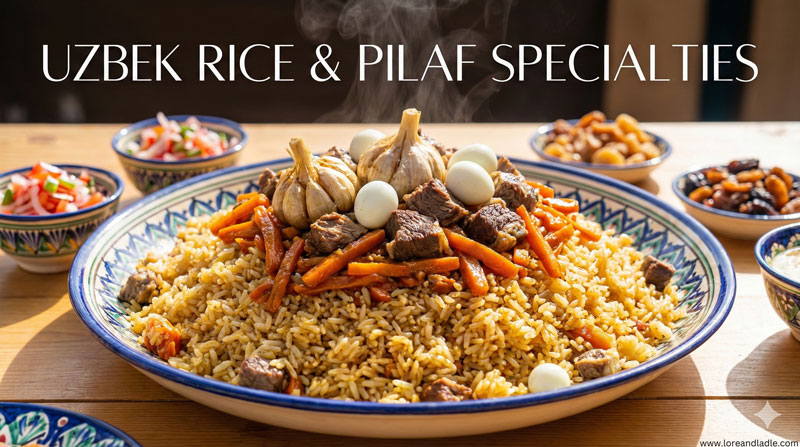
Halva partners beautifully with rice pilaf, or plov, a cornerstone of Uzbek cooking. Plov fills the air with cumin, coriander, garlic, and carrot sweetness. Halva provides a sweet balance that lifts the savory depth. A small serving after a hearty pilaf creates a satisfying rhythm. The contrast—warm, toasty halva with a savory pilaf—delights the palate. This pairing shows how sweet and savory can cooperate, not compete.
Pilaf and halva also share a common joy: they invite careful sharing. Family members pass the plate, offering a taste to each guest. The moment feels ceremonial yet effortless. You can taste the care baked into both dishes. The result is a meal that feels complete, finished with a gentle glow.
Rituals of Sharing: Hospitality and Halva in Uzbekistan
Hospitality shines in Uzbek culture. Halva acts as a gracious welcome. Hosts set a small plate before guests with a sincere smile. The gesture says: you are valued here. Tea follows, and then halva completes the moment. The sweetness signals generosity and openness. Guests respond with gratitude and conversation. Together, they savor the quiet richness of everyday life.
In homes and teahouses, this dessert often appears during gatherings. It marks celebrations of small wins and ordinary days alike. Its presence signals that everyone is part of the meal. Halva makes hospitality tangible and memorable. It turns a simple visit into a cherished memory.
Regional Variations: Semolina vs Sesame Halva
Variety gifts Halva its personality. Semolina halva is light, airy, and crumbly. It dissolves softly on the tongue. Sesame halva is creamy and substantial. It holds its shape and offers a longer, velvety finish. Some Uzbek cooks fold in pistachios, almonds, or raisins for color and texture. Saffron adds a warm glow and perfume.
In different towns, people favor different touches. A pinch of cardamom might drift through the steam. A splash of honey can replace sugar for a nuanced sweetness. Each variation speaks to a region’s taste and memory. Yet all share the same spirit: Halva as a quiet celebration of craft and care.
A Palette of Sweets: How Halva Inspires Modern Uzbek Cooking
Today, chefs reinterpret Halva with fresh eyes. Some create delicate halva-based desserts with fruit compotes. Others craft bars or slices that echo the texture in new shapes. Yet the core idea remains: Halva carries tradition forward with flavor and grace. Bakers pair it with sesame brittle or citrus zest for brightness. Cafés offer tiny tasting plates that invite exploration. These modern twists respect the old while inviting new senses.
In every interpretation, Halva remains a bridge between generations. It teaches How to savor time—the time it takes to toast seeds, to whisk milk, to wait as sugar thickens. It invites creativity without losing its essential comfort. The result is a living tradition that welcomes every diner.
How to Enjoy Halva: Serving Tips and Pairings
Enjoy Halva with care and curiosity. Serve it at room temperature to release its full aroma. Pair it with light black tea or green tea to cleanse the palate. A cup of tea heightens the sesame’s creaminess or the semolina’s warm notes. Try Halva with fresh fruit or a small number of roasted nuts for texture.
Store halva in a cool, dry place in an airtight container. Semolina halva should be consumed within a few days for best freshness. Sesame halva keeps longer, but still benefits from timely tasting.
On the plate, present halva in neat slices or modest blocks. A drizzle of honey or a dusting of cinnamon can add a soft accent. A few dried fruits bring color and brightness. The key is balance: let the sweet voice sing but never overpower the dish’s gentle character.
Conclusion: The Timeless Love for Halva in Uzbek Culinary Culture
Halva is more than a sweet treat. It is a quiet ambassador of Uzbek culture. It honors hospitality, family, and shared meals. It pairs gracefully with pilaf, completing the meal with warmth. Its varieties reflect regional memory and personal craft. The dish invites you to pause, taste, and reflect on the beauty of cuisine as a living tradition.
If you seek a flavor that speaks softly yet leaves a lasting impression, Halva offers it. In Uzbekistan, this dessert reminds us that food is not only sustenance. It is a language of care, a memory baked into every bite. Discover Halva and you discover a piece of Uzbek food culture that invites you to savor, share, and return.