
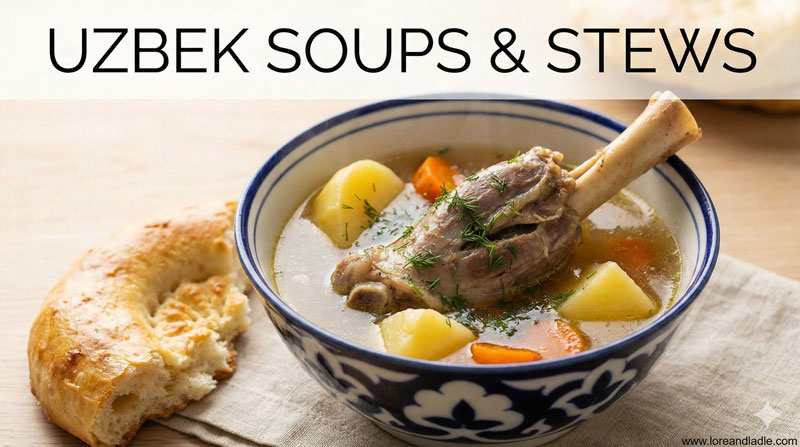
Discover Halva – Uzbekistani Soups & Stews Flavor You’ll Love
Halva shines in Uzbek kitchens as more than a dessert. It Is a warm greeting, a shared moment, and a testament to timeless family recipes. In Uzbekistan, halva sits at the table with tea, inviting conversation and connection. Its aroma, texture, and sweetness carry a quiet pride for the cooks who guard their methods and memories. This post explores how halva embodies cultural value and culinary significance in Uzbek cuisine.
Cultural Foundations of Halva in Uzbekistan
Hospitality is a core value in Uzbek culture, and halva helps this tradition flourish. When guests arrive, a plate of halva often accompanies tea or coffee. The gesture is simple, yet meaningful: a thoughtful offering that says, “You are welcome here.” Halva is also a storyteller in the kitchen. Each family keeps a slightly different recipe, passed down through generations. The result is a living tapestry of taste, texture, and technique that reflects local farming, seasonal ingredients, and regional preferences.
Halva’s presence marks everyday life and festive moments alike. It appears in morning gatherings, during visits to relatives, and at celebrations that gather many hands at the table. The sweetness balances the savory notes of plov, soups, and stews, enriching the overall meal with a lingering finish. In this way, halva helps unify courses and memories, weaving taste into social rituals.
The Craft: Ingredients and Methods
Uzbek styles of halva often come in two main forms: sesame-based and semolina-based. Sesame halva relies on ground sesame seeds, sometimes blended with a touch of butter or vegetable oil to smooth the paste. Semolina halva uses toasted semolina, cooked with sugar, water, and clarified butter, sometimes enriched with nuts or dried fruit. Both types highlight careful timing and gentle heat. Stirring steadily ensures a glossy texture and even sweetness.
Key ingredients reflect local abundance. Sesame seeds, almonds, pistachios, and walnuts appear as adornments or mix-ins. Dried fruit can add brightness and complexity. The method centers on patience: toast, grind, simmer, and stir until the mixture thickens and releases a fragrant aroma. Cooling then ripens the flavor, allowing halva to hold its shape while remaining tender to the bite. The result is a dessert that feels both sturdy and delicate, a balance Uzbek cooks celebrate.
Regional Voices and Shared Techniques
Across Uzbekistan, families adapt halva to local tastes. In some regions, sesame halva may lean toward a lighter sweetness, while semolina halva might achieve a denser, cake-like feel. Nuts and fruit changes also reflect regional harvests and preferences. Samarkand’s markets often showcase vibrant additions like pistachios, while Tashkent households may favor a smoother paste with nutty accents. Regardless of the variation, the core idea stays: halva is a versatile, comforting food that invites personal touch and shared pride.
This regional flavor map is less about uniformity and more about conversation. Each kitchen adds its own voice. The result is a family-centered chorus that travels from grandmother’s ladle to the youngest cook’s palm. In this way, halva becomes a living tradition rather than a fixed recipe.
Pairings, Serving, and Table Etiquette
Halva shines best when paired with tea, the national drink that accompanies most Uzbek meals. A small square or triangular piece on a plate invites a slow, mindful bite. The pairing with tea creates a gentle balance of sweetness and warmth. Halva can also serve as a light finale after a hearty soup or stew, offering a moment of calm and satisfaction.
Serving is often simple and respectful. A clean plate, a quiet moment, and the pleasure of sharing are enough to honor the dish. Some households serve halva alongside fresh fruit or a sprinkle of chopped nuts for added texture. In all cases, halva enhances the table with a touch of grace, inviting conversation and appreciation for craftsmanship.
Preservation and Everyday Enjoyment
Home cooks in Uzbekistan typically prepare halva in modest batches, enough for a few gatherings or a week of meals. Proper storage preserves flavor and texture. An airtight container kept in a cool, dry place maintains quality for several days to weeks, depending on the type. When ready to serve, a quick rest at room temperature helps the paste loosen for easy slicing.
For those new to halva, starting with a simple sesame variety can be a helpful introduction. As flavors grow familiar, home cooks often experiment with semolina forms, nuts, or fragrant spices like cardamom or a hint of vanilla. The beauty lies in adaptation—honoring tradition while inviting personal touch.
A Flavorful Window into Uzbek Food Culture
Halva offers a quiet, respectful gateway into Uzbek culinary culture. It celebrates hospitality, family ties, and the joys of sharing a meal. The dish stands as a testament to patient technique and seasonal ingredients. Each bite recalls conversations around the table, the rhythm of tea pours, and the satisfaction of a well-made sweet.
If you seek a taste of Uzbekistan that feels both timeless and inviting, halva welcomes you. It invites you to listen to generations of cooks, observe the care in each stir, and savor the delicate balance of texture and sweetness. In this way, halva becomes more than a recipe; it becomes a small ceremony of culture that readers and diners can carry with them.
Final Thoughts: Why Halva Belongs to Uzbek Food Culture
Halva embodies the artistry of Uzbek cooking. Its textures please the palate, while its presence honors guests and family. The dish bridges generations, turning a simple kitchen moment into shared memory. As you explore Uzbek soups and stews, let halva stand as a reminder: great food carries culture as surely as it carries flavor. Enjoy the journey, taste the craft, and cherish the welcoming spirit at every Uzbek table.