
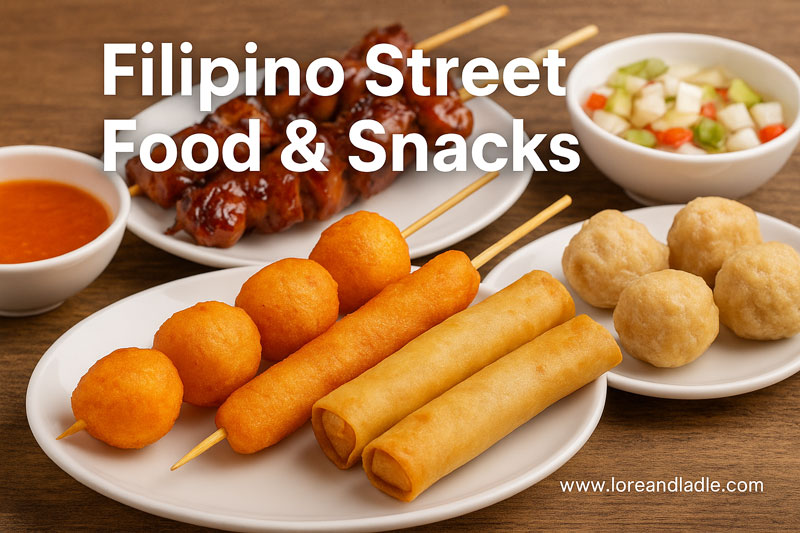
Easy Filipino Turon Ideas Americans are loving for beginners in Filipino food
Turon is a small, golden treasure of Filipino snacks. It pairs simple ingredients with a bright sense of sweetness and a comforting texture. In this introduction, you’ll find why turon appeals to many beginners and how its charm shows up in everyday moments. The snack centers on a ripe fruit—and in many kitchens, that fruit is the saba banana—wrapped in a thin sheet and fried to a crisp. The result is a warm bite that balances a soft interior with a crisp shell. People often describe the aroma as caramelized and inviting, a sign that the fruit has awakened its natural sugars.
What makes turon especially friendly for newcomers is its forgiving approach to flavor and technique. The core idea is approachable: wrap fruit and sugar, then fry until the outside turns a pleasing bronze. Small tweaks—switching from jackfruit to sweet potato, adding a touch of cinnamon, or mixing in a little coconut—open a world of gentle variety. The dish invites curiosity without demanding complex steps. It wears its Filipino roots with quiet pride, and yet it speaks a universal language of comfort, sweetness, and shared bites.
What Turon Is and Why It Appeals
Turon is a sweet snack that rolls fruit inside a thin wrapper, then cooks it until the wrapper is crisp and the fruit is tender and fragrant. The classic fill is ripe saba banana with slices of jackfruit, wrapped in a lumpia wrapper, and finished with a generous sprinkle of sugar or a light drizzle of syrup. The result feels familiar to many home cooks: a familiar fruit inside a portable, hand-held treat.
Key characteristics include contrast and balance. The exterior crackles with a delicate crunch, while the interior remains soft and fruity. The sugar caramelizes during frying, adding a warm sweetness that lingers on the palate. The flavors are light but memorable, with a gentle coconut note if coconut is used in the filling or in the wrapper. Turon is flexible enough for a beginner to explore; it welcomes simple versions and bolder variations alike, all while preserving a sense of playfulness and celebration.
In terms of ingredients, turon relies on accessible pantry items. The most common fruit is saba banana, though ripe plantains or even ripe bananas can work in a pinch. Jackfruit adds a gentle fragrance and texture, while the wrapper, typically a lumpia wrapper, keeps everything cohesive. A pinch of salt in the filling can brighten the sweetness, and an option to add shredded coconut or a dusting of cinnamon introduces a new layer of aroma and flavor. The result is a snack that feels comforting and adaptable, a gentle invitation to try a Filipino favorite in a straightforward way.
Easy Filipino Turon Ideas Americans are loving for beginners in Filipino food
Here are high-level, beginner-friendly ideas that keep the spirit of turon intact while inviting fresh flavors and textures:
- Banana and jackfruit with brown sugar: Classic simplicity that highlights the fruit’s natural sweetness. Wrap, seal, and fry until the outer shell turns golden. The result is a tidy, reliable favorite.
- Cinnamon-sugar banana with a touch of chocolate chips: A warm spice note with a hint of chocolate adds a comforting twist. The balance remains gentle enough for first-timers, with a familiar dessert vibe.
- Plantain with shredded coconut and honey: A subtler, tropical profile that leans into a caramelized sweetness. The coconut adds texture and aroma without overpowering the fruit.
- Ube jam and sweet potato twist: A purple-yam-inspired variation that introduces a creamy, earthier note. Ube jam provides a vivid color and a smooth center against the crisp wrapper.
- Banana and cheese with a light sugar glaze: A gentle nod to sweet-and-salty flavors. The cheese melts softly, creating a creamy surprise inside the crisp shell.
Beyond fillings, you can explore wrapper choices and finishing touches. Use lumpia wrappers for a traditional feel, or experiment with a thinner pastry sheet for a lighter bite. A dusting of sugar or a light drizzle of caramel can finish the plate. Serve warm for the best texture and aroma. These ideas keep things accessible, making Easy Filipino Turon Ideas Americans are loving for beginners in Filipino food a practical starter for home cooks curious about Filipino snacks.
Flavors, Textures, and Key Characteristics
Turon shines through texture and aroma. The exterior crackles when bitten, offering a short, satisfying snap that signals the wrapper has fried to crisp perfection. The interior yields to gentle pressure, revealing tender fruit that’s coated with a sweet glaze. The simplest fillings emphasize the fruit’s natural sweetness, while additions like jackfruit, coconut, or even a touch of cinnamon lift the flavor profile without overwhelming it.
Flavor harmony comes from the balance of sweet and fruit-driven notes. The sugar or syrup caramelizes in the hot oil, producing a toasty,-toffee-like aroma that lures with every bite. If you add coconut, you’ll taste a mild nuttiness that pairs nicely with banana and jackfruit. A light sprinkle of salt can sharpen sweetness, making the flavors feel more defined rather than dulled by sugar.
Key characteristics to note for beginners: the wrapper should stay intact and not leak, the filling should remain securely tucked inside, and the final product should have a uniform golden-brown color. The texture should contrast nicely: crisp outside, soft and fragrant inside. When you bite, the sweetness should feel warm rather than sharp, inviting another bite with little effort. These elements create a pleasant, reassuring dining experience that many Americans enjoy as they become more confident with Filipino-inspired snacks.
Occasions to Enjoy Turon
Turon fits a wide range of moments. It can be a comforting afternoon snack, a quick dessert after a meal, or a bright addition to a family gathering. Many people savor it as a friendly treat for guests, especially when they want something light and satisfying. It also works well for potlucks, school events, or casual get-togethers with friends. The portability of a small, hand-held treat makes turon ideal for sharing, taking along to a picnic, or presenting on a dessert table with a few complementary sweets.
In daily life, turon can serve as a delightful break between tasks or a nod to seasonal fruit. When fruit is ripe and ready, a few minutes of simple cooking can transform it into a warm, comforting snack. The dish’s approachable nature encourages people to try variations, experiment with fillings, and find what best fits their tastes. Easy Filipino Turon Ideas Americans are loving for beginners in Filipino food demonstrates how a single, thoughtful idea can enrich ordinary moments with a moment of sweetness and a sense of celebration.
Easy Filipino Turon Ideas Americans are loving for beginners in Filipino food
Another look at serving ideas and presenting tips can help you maximize enjoyment. Serve turon warm, cut into bite-sized pieces for sharing. A light dusting of sugar or a sprinkle of cinnamon can elevate the aroma just before serving. Pair turon with a small scoop of vanilla ice cream, a drizzle of coconut cream, or a warm caramel sauce for a dessert-inspired finish. For a simple, everyday option, offer a dip of maple syrup or a spoonful of sweetened condensed milk on the side. The aim is to keep presentation approachable and appetizing so that friends and family can reach for a second piece with ease.
If you’re planning a small tasting, place a few varieties on a platter: classic banana and jackfruit, cinnamon-sugar banana with chocolate chips, and a coconut-touched plantain version. A little assortment like this demonstrates how a single concept—fruit wrapped in a wrapper and fried—can yield several delightful profiles. These ideas embody Easy Filipino Turon Ideas Americans are loving for beginners in Filipino food, offering room to explore while staying within a comfortable, beginner-friendly scope.
Tips for Beginners
- Choose ripe fruit: saba bananas are traditional, but ripe plantains or regular bananas can work. A fruit with sweetness and fragrance gives the best flavor without extra sweetness.
- Use the wrapper you like: lumpia wrappers are the classic choice, but others can work if they are flexible and seal well.
- Seal edges well: a careful pinch helps prevent the filling from escaping during frying.
- Don’t overfill: a modest amount keeps the wrappers neat and reduces mess.
- Fry until golden: aim for a crisp exterior that signals done without overcooking the interior.
- Let them rest briefly: a short rest helps the structure settle and makes the center easier to bite into.
- Have simple accompaniments: a light sugar dusting or a small sauce can enhance the experience without overpowering the fruit.
- Store and reheat gently: if you make them ahead, reheat gently to preserve crispness and warm center texture.
A Friendly Note on Sharing and Traditions
Turon is best enjoyed with company. The act of sharing a warm batch invites conversation and smiles. The dish invites experimentation, yet remains anchored in a simple idea: fruit wrapped in a crisp wrapper, warmed by gentle frying, and finished with a touch of sweetness. In gatherings, a plate of turon becomes a friendly signal that everyone is welcome to try something new while savoring a familiar comfort. It stands as a cheerful example of how a small, well-loved recipe can bring people together, across generations and tastes, through a shared bite that is both gentle and satisfying.
If you are just starting out with Filipino flavors, turon offers a calm, approachable entry. Its sweetness, texture, and aroma invite curiosity without pressure. As you grow more confident, you can explore additional fillings, wrappers, and toppings, always returning to the core idea: a simple fruit folded into a tender wrapper and finished with a warm, crisp edge. Easy Filipino Turon Ideas Americans are loving for beginners in Filipino food remains a gentle gateway to a beloved snack, one that respects tradition while welcoming new flavors and ideas.