
Easy Homemade Ganfan – Uzbekistani Rice & Pilaf Specialties Flavor You’ll Love
Ganfan is more than a dish. It is a warm reflection of Uzbek kitchens, where family, season, and careful technique come together. In this simple home version, you taste the core flavors that make pilaf-style meals beloved across Uzbekistan. The dish welcomes diners with aroma and texture, inviting conversations as the pot steams gently.
What is Ganfan? A Window into Uzbek Pilaf Traditions
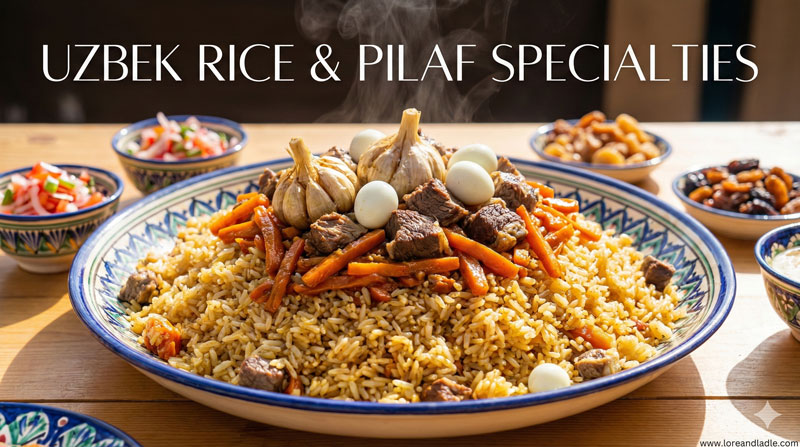
Ganfan belongs to the family of Uzbek pilaf styles. It centers on fluffy, long-grain rice, tender meat, and sweet carrots bright with color. Yet the heart of it lies in balance: a little meat, a lot of aromatics, and rice that holds its shape. Different homes put their own touch on the spices, the size of the meat pieces, and how the carrots are cut. Still, every variation carries a common thread: hospitality, clear technique, and a shared meal that brings people together.
The Craft of Flavor: Texture, Aroma, and Balance
Flavor emerges from careful contrasts. First, onions are softened in oil until they release sweetness. Next, meat browns to develop savory depth. Carrots, cut into slender strips or ribbons, add color, sweetness, and a gentle crunch. Then comes the rice, added so it can drink up the savory juices. Finally, spices such as cumin and coriander awaken the dish with warmth. The result is a layered aroma: a fragrant invitation that signals a true, comforting meal. This balance—meat tenderness, carrot brightness, and rice lightness—defines the culinary essence of Ganfan.
A Meal for the Family: Hospitality as a Core Value
In Uzbek culture, food is a language of hospitality. A pot of Ganfan often sits at the center of a long table, waiting to be shared with guests and family alike. Hosting someone with a generous plate says, “You are welcome here.” Lively conversation follows the first steam, and the meal becomes a space for remembrance, jokes, and stories. The dish quietly teaches patience, as everyone waits for the steam to settle and the grains to separate cleanly. In this way, Ganfan becomes more than nutrition; it is a practice in kindness and attentive hosting.
Seasonal Rhythm and Regional Pride
Ganfan reflects the seasonal and regional rhythms of Uzbek life. In harvest seasons, fresh carrots and onions bring brightness to the pot. Local farmers’ markets inspire the home kitchen with vibrant hues and crisp textures. Regions add their own twists—slightly different spice notes, varying rice varieties, or alternative vegetable cuts—yet the dish remains recognizably Uzbek. This shared love for a common format—rice, meat, and carrots—binds neighborhoods and towns, giving people something familiar to celebrate together.
Home Cooking: Simple Steps That Feel Deeply Traditional
This version is designed to feel accessible for home cooks. Use good-quality long-grain rice, a sturdy pot, and a patient pace. Start by warming oil and softening onions. Add meat and brown it fully. Toss in carrots for color and sweetness. Pour in precooked rice and a small amount of hot water or stock, just enough to settle the grains. Cover and let the steam do the rest. The goal is rice that is tender but separate, not mushy. Enjoying Ganfan at Home offers a taste of tradition with every bite, while remaining practical for Busy days. In short, it is a dish you can master with calm attention and a sense of shared heritage.
Serving Traditions and Beloved Pairings
Serve Ganfan with warmth and care. A crisp flatbread or lavash on the side echoes the bread and dipping rituals found in many Uzbek meals. A simple cucumber or tomato salad adds brightness and balance. Fresh herbs, a squeeze of lemon, or a few garlic cloves on the table can elevate the pairing. Tea often follows, continuing the feeling of a generous, thoughtful gathering. These accompaniments are not merely foods; they are signals of hospitality and community.
Keeping a Living Tradition in Modern Uzbek Kitchens
Today’s home cooks keep Ganfan vibrant by adapting to new tools, ingredients, and schedules while honoring its roots. Community recipe exchanges, family gatherings, and local markets all contribute to a living culinary tradition. The dish travels lightly into daily life, reminding everyone of the beauty of shared meals. As families pass down tips and memories, Ganfan remains a touchstone—a simple, flavorful reminder of Uzbek culinary artistry and the joy of coming together around a pot.
If you’re seeking a dish that is humble yet soulful, Easy Homemade Ganfan offers a welcoming path. Its cultural value lies not only in taste but in the act of gathering, in the patience of steaming, and in the pride of a meal that honors family, region, and tradition. In every spoonful, you sense the warmth of Uzbek kitchens and the universal delight of sharing food with friends and loved ones.