
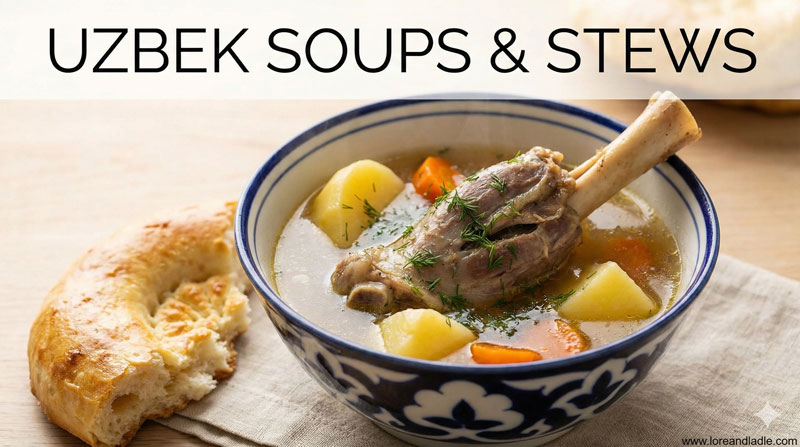
Introduction: Easy Homemade Ganfan – Uzbekistani Soups & Stews Flavor You’ll Love
Easy Homemade Ganfan is more than a meal. It Is a warm thread in the fabric of Uzbek kitchens, weaving together family flavors, seasonal produce, and a shared aroma that signals welcome. This dish sits at the heart of Uzbekistani soups and stews, offering a comforting balance of tender meat, vegetables, and a fragrant spice life. The dish invites cooks of all levels to create something that tastes of home and heritage, with every spoonful telling a story of careful preparation and community.
Cultural Value: Hospitality in a Bowl
In Uzbekistan, food is a greeting, a celebration, and a daily ritual. Ganfan embodies that spirit by turning simple ingredients into something that invites conversation and connection. Families gather around a pot that simmers slowly, sharing responsibility for the meal and the joy of eating together. The dish often arrives with bread, herbs, and a story to tell—each household adding its own touch. Easy Homemade Ganfan honors this practice by making a dish that can be prepared for a quiet weeknight or a larger gathering, always emphasizing generosity, patience, and care.
Core Flavors and Techniques: A Symphony of Aromatics
The heart of Ganfan lies in a thoughtful harmony of flavors. A gentle sauté releases onion and garlic, followed by meat that browns to deepen the aroma. A warm spice blend—cumin, coriander, and a hint of black pepper—gives the stew its characteristic depth. Simmering builds a rich broth, where vegetables soften and absorb the spices. Fresh herbs added near the end brighten the dish, leaving a lingering, aromatic finish. The result is a dish with both body and brightness, a reflection of Uzbek cuisine’s preference for balance and clarity in flavor.
Regional and Seasonal Significance: Local Roots, Year-Round Comfort
Uzbekistan’s regions offer subtle variations in Ganfan, mirroring the landscape’s harvests. In winter, heartier cuts and root vegetables shine, while in lighter seasons, cooks may emphasize greens and tender vegetables. Cooks adapt Easy Homemade Ganfan with what’s fresh and nearby, honoring farmers’ markets and neighborhood gardens. This adaptability highlights a culinary philosophy: meals should be nourishing, practical, and reflective of the season and place. Through these variations, Ganfan carries a sense of place and continuity across households.
Easy Steps to a Respectful Home Kitchen: Practical and Feel-Good
- Sauté onions and garlic in a sturdy pot until soft and aromatic.
- Add meat and brown it for depth.
- Pour in broth and bring to a gentle simmer.
- Add vegetables and a measured blend of spices; simmer until tender.
- Finish with fresh herbs for brightness.
- Serve with warm bread and a cup of tea to savor the aroma.
This approach keeps the cooking accessible while preserving the dish’s cultural essence. The method invites home cooks to slow down, listen to the pot, and share the result with others.
Serving and Pairings: Completing the Experience
Ganfan shines when served in generous bowls, accompanied by flatbread or non. A side of fresh herbs adds color and fragrance, while a simple tea or yogurt drink complements the savory richness. The presentation emphasizes hospitality: a neat arrangement, steaming bowls, and a table ready for conversation. In this way Easy Homemade Ganfan becomes more than sustenance; it becomes a ritual of nourishment and connection.
Conclusion: A Dish That Celebrates Food and Togetherness
Easy Homemade Ganfan captures the beauty of Uzbekistani soups and stews in a single, inviting pot. Its cultural value lies in how it brings people together, honors seasonal ingredients, and showcases a thoughtful balance of flavors. The dish stands as a warm reminder that cooking is a generous act—one that strengthens family ties, honors tradition, and invites everyone to share in the comfort of a well-made meal. If you seek a flavorful, comforting dish with a rich sense of place, Ganfan offers a welcoming invitation to explore Uzbek culinary heritage.