
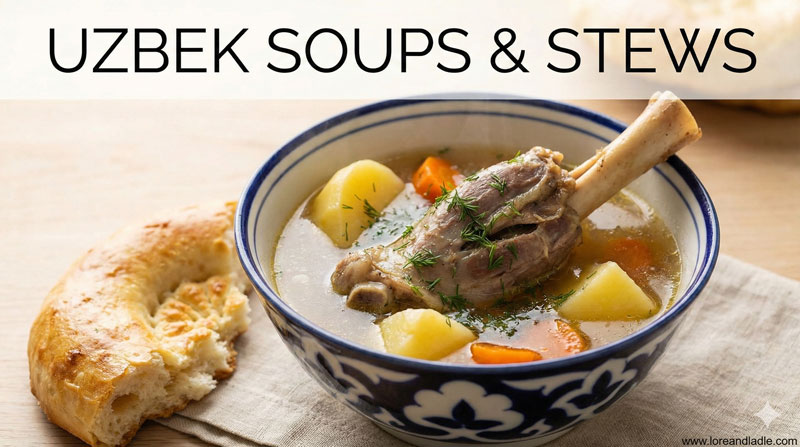
A warm welcome to Easy Homemade Halva
Easy Homemade Halva – Uzbekistani Soups & Stews Flavor You’ll Love is more than a dessert. It Is a small, comforting ritual in Uzbek kitchens. The dish invites gentle conversation, sharing, and a moment of sweetness after a meal or with a cup of tea. This version is simple to Make, yet it carries a long tradition of careful craft. Each stirring motion connects you to cooks who value balance, patience, and the soft, welcoming flavor that halva offers.
Halva in Uzbek culture: a sweet thread in everyday life
Halva sits at the table as a bridge between meals and moments. It appears on tea trays after a busy day and on festive tables during family gatherings. In Uzbek homes, a portion of halva often graces celebrations, weddings, and holidays, symbolizing care and hospitality. The dish is shared in small bowls, passed from hand to hand, and enjoyed alongside warm conversations. In this way, halva becomes more than a taste; it is a memory in the making, a thread that ties friends and relatives to daily life.
The senses: flavor, texture, and aroma
The flavor story starts with toasted grains or seeds. Semolina offers a creamy, nutty base, while sesame seeds bring a rich, toasty note. Butter or oil adds a gentle richness that makes the bite feel luxurious without being heavy. A touch of sugar brings a glow of sweetness, never overpowering. Cardamom, vanilla, or a hint of honey can deepen the aroma and echo fragrance you might smell in a Uzbek kitchen during preparation. The texture blends crumb and cream: a soft, slightly grainy center with a glossy surface that invites a little crunch from nuts. In every bite, you sense care, time, and a respectful nod to tradition.
Simple craft, deep meaning
This halva is “easy” in technique but rich in meaning. The process emphasizes patience and steady heat. Toast the grains to release their aroma, then slowly blend them with butter and sugar. A gentle simmer helps the mixture thicken, while constant stirring keeps it smooth. The result is a warm, inviting centerpiece that feels timeless. The accessibility of the method makes the dish a welcome addition to home kitchens, where even modest ingredients can become a respectful homage to Uzbek flavor.
Serving traditions and pairings
Halva is most often shared in small portions, plated with care and a flourish of nuts. A scatter of pistachios or almonds adds color and crunch. Raisins or dried apricots can provide a sweet counterpoint. Serving halva with hot tea completes the moment, inviting quiet conversation and reflection. The pairing isn’t about complexity; it’s about harmony—a simple dessert that enhances the flavors of a meal and the warmth of companionship.
A regional palette
Across Uzbekistan, cooks bring subtle regional touches to halva. Some households favor a sesame-forward version, while others highlight semolina for a smoother, silkier texture. Flavorings can vary by family tradition or season, from cardamom to vanilla or a drizzle of honey. These small variations keep the dish lively and deeply personal, while the core idea remains the same: a comforting sweetness that belongs to the table and to shared time.
Tips for keeping the spirit of tradition alive
- Use good ingredients: fresh semolina or sesame, quality butter, and clean water or milk improve flavor.
- Toast grains slowly to develop a rich, nutty aroma before mixing.
- Stir with care. Gentle, patient movement creates a smoother, more elegant halva.
- Let it rest a moment after cooking. A brief rest helps the texture settle and the flavors meld.
- Present with modest elegance: a light dusting of nuts or a few saffron threads can elevate the look without overpowering the taste.
A final note: embracing Uzbek flavor at home
This Easy Homemade Halva invites you to slow down and savor a moment of Uzbek flavor in your own kitchen. It celebrates hospitality, family, and everyday joy. The dish stands as a gentle reminder that simple ingredients can become meaningful memories when treated with care and shared with others. If you try this recipe, you’ll taste a soft sweetness rooted in Uzbek kitchens—an everyday treasure that fits neatly into tea time, after-dinner rituals, or a small festive moment. By embracing this delicacy, you connect with a long-standing tradition of warmth, balance, and cookbook-worthy comfort.