
Introduction
Easy Hokkien Mee at Home With Ingredients From Any U.S. Grocery Store invites you to savor a dish that carries a gentle, enduring cultural value. This is more than a weeknight meal; it is a celebration of technique, aroma, and shared table moments. In this post, we focus on the beauty of the dish and its place in everyday food culture. You will see how a skillet, a few bright ingredients, and a quick wok fry can honor a tradition while staying accessible to Home Cooks everywhere.
What makes Hokkien Mee meaningful
Hokkien Mee is a noodle dish that blends Chinese culinary technique with Southeast Asian flavors. Its charm lies in contrast: chewy noodles meet crisp vegetables, mellow seafood notes meet a pop of salt and sweetness, and a kiss of smoke from a hot wok ties it all together. This balance tells a story of global flavors meeting local markets, all in one skillet. For many households, making Hokkien Mee at home becomes a small ritual that echoes street stalls and family gatherings, yet remains entirely personal and approachable. The dish invites experimentation, inviting cooks to honor tradition while shaping it to their pantry and taste.
The dish in focus: ingredients and texture
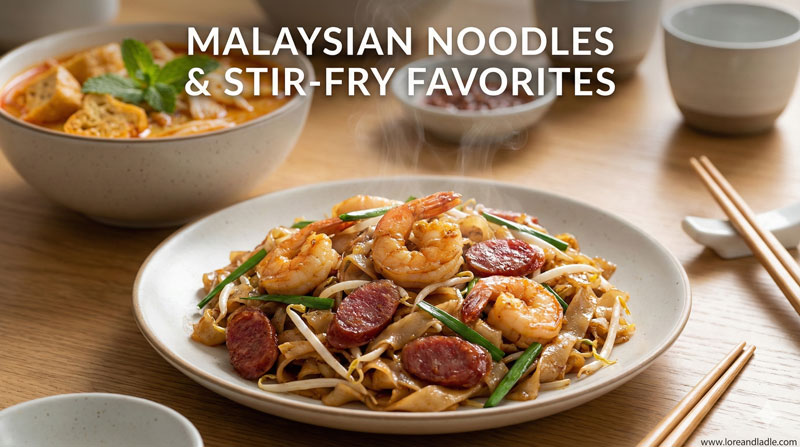
What you see on the plate matters. Hokkien Mee features noodles with body, often yellow egg noodles, and sometimes a mix of fresh options such as rice noodles for lighter characters. Protagonists include garlic and shallots for aroma, shrimp or prawns for sweetness, and optional squid or slices of pork for savory depth. A drizzle of soy sauces—light for salt and dark for color and depth—binds flavors, while a touch of oyster sauce adds umami. A small amount of salt, white pepper, and a hint of sugar balance the savor. Greens like choy sum or bok choy add color, crunch, and freshness. The result is a glossy, savory noodle dish whose texture shifts from silky to crisp with a well-timed stir-fry.
Cultural value: a bridge of flavors in home kitchens
This dish embodies a bridging of flavors that many kitchens welcome. It shows how techniques honed in hot pans and quick motions translate across borders, turning simple ingredients into a plate of grace. Home cooks bring their own memories to the kitchen—family favorites, market finds, and the everyday joy of cooking for someone else. Hokkien Mee honors that shared purpose: to feed, to connect, and to celebrate ingredients that shine when prepared with care. The method teaches respect for timing, heat, and balance, while the outcome invites conversation about favorite add-ins, regional preferences, and the small adjustments that capture a household’s personality. In this sense, the dish serves as a living conversation between tradition and home.
Culinary significance: technique, aroma, and balance
The culinary heart of Hokkien Mee is the wok and the moment of high heat. When the wok is hot, a quick toss releases nuanced aromas—garlic, shallots, seafood, and soy notes mingle in the air. The technique emphasizes speed and restraint: you want the proteins just cooked, the noodles heated through, and the greens kept crisp. The sauce mix, typically a blend of light and dark soy sauces with a touch of oyster sauce, provides depth without dulling the bright flavors of shrimp and greens. Culturally, this approach—fast, precise, flavorful—echoes the spirit of communal cooking found in street stalls and home kitchens alike. It demonstrates how a few well-chosen components can create a dish that feels both familiar and special.
Making it accessible in a typical U.S. kitchen
You can assemble Easy Hokkien Mee with ingredients found in many American grocery stores. Start with noodles: yellow egg noodles or fresh lo mein work well. For proteins, choose shrimp as the centerpiece; pork slices or small pieces of Chinese sausage (lap cheong) add richness if you have them. Greens can be bok choy, choy sum, or Chinese broccoli. For aromatics, garlic and shallots are essential. Sauces include light soy sauce for brightness, dark soy sauce for color and depth, and oyster sauce for umami. If you find dried shrimp in the Asian aisle, add a small amount for a savory lift; if not, you can rely on a splash of fish sauce as an alternative, plus a touch of sugar to balance.
If some items are hard to locate, here are sensible substitutions:
– Dried shrimp: use a pinch of shrimp powder or omit with a slight extra splash of soy and a teaspoon of sugar for balance.
– Lap cheong (Chinese sausage): substitute with a small amount of smoked sausage or omit; you’ll still get a tasty noodle dish.
– Kecap manis (sweet soy): you can approximate with regular soy sauce plus a tiny bit of brown sugar and a drop of molasses.
– Greens: any sturdy leafy green, like spinach or baby kale, can stand in when bok choy is scarce.
– Noodles: if you have only dried spaghetti or linguine, you can hydrate them and riff on the texture; the dish remains delicious with a different noodle shape.
This flexibility makes Easy Hokkien Mee accessible for home cooks in the United States, while preserving the essence of the dish’s flavors and technique. The goal is to honor the spirit of the recipe using ingredients that feel familiar and reassuring in a normal shopping trip.
Quick guide to making Easy Hokkien Mee at home
- Prep everything before you heat the pan: mince garlic and shallots, slice meat if used, and wash greens.
- Heat a wide skillet or wok until very hot. Add a light coating of oil.
- Sauté aromatics briefly until fragrant, then add proteins and cook just until they turn opaque.
- Add greens and a splash of water or stock to wilt them slightly.
- Toss in noodles; drizzle with light soy, a dash of dark soy, and oyster sauce. Stir quickly to coat.
- Finish with any optional dried shrimp, pepper, and a final toss to mix all elements.
- Taste and adjust salt, sweetness, and soy to balance. Serve immediately for best wok aroma.
The home cooks’ perspective: why this dish resonates
Home cooks appreciate that this dish rewards attention to heat and timing, not complexity. It teaches a chef’s sense of rhythm: do not overcook proteins; let the noodles carry the sauce without clumping; preserve the bite of the greens. It also honors the idea that a family meal can be both comforting and a little adventurous. The process invites personal touches—your preferred greens, your favorite protein, your own taint of sweetness or saltiness—while keeping the core identity intact. In many kitchens, preparing Hokkien Mee becomes a small tradition that signals care, togetherness, and the joy of turning everyday groceries into something flavorful and generous.
Tips for authentic flavor without fuss
- Use high heat and a wide pan to create a quick, leafy motion that produces a shallow sizzle and the coveted wok aroma.
- Keep ingredients organized. A calm, efficient mise en place helps the dish come together smoothly.
- Don’t over-sauce. A light hand with soy sauces and oyster sauce keeps the natural sweetness of seafood and greens in focus.
- Finish with a brief toss to preserve color and texture. A short final stir helps the dish shine.
A respectful, inviting conclusion
Easy Hokkien Mee at Home With Ingredients From Any U.S. Grocery Store is more than a recipe. It is a gentle reminder of how home cooking can celebrate flavor, technique, and shared meals. The dish captures a moment when diverse ingredients meet thoughtful preparation, yielding a plate that is rich in texture, aroma, and memory. With everyday ingredients, a well-heated pan, and a little care, you can create a meal that feels both rooted and refreshing. This is the beauty of the dish: a simple, inclusive staple that invites every home cook to participate in a culinary tradition with warmth, clarity, and joy.