
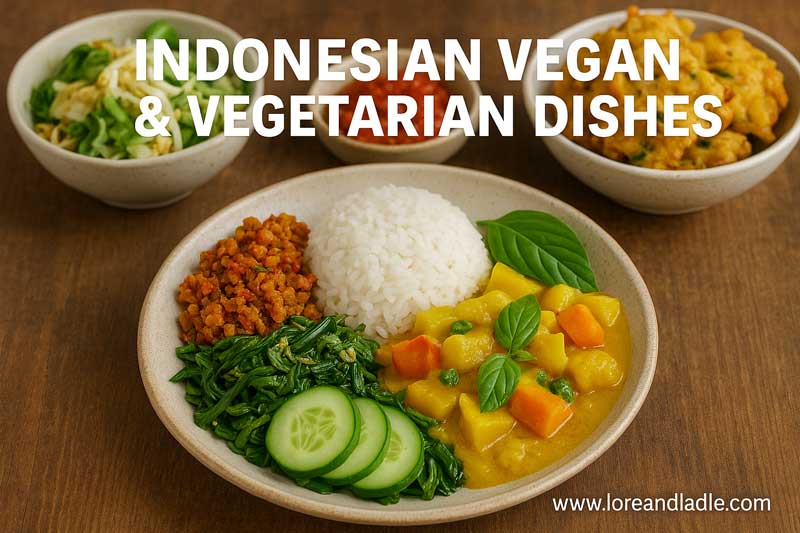
Introduction: A Family-Friendly Indonesian Coconut Curry at Home
This post introduces a comforting dish that shines in any kitchen: chicken coconut curry. It welcomes the family with warm aromas and bright flavors. The dish blends creamy coconut milk, gentle spice, and tender chicken. It is easy to prepare, making it a favorite for weeknight dinners and weekend gatherings alike. In every bowl, you taste care, balance, and Indonesian intuition for Home Cooking.
Cultural value in Indonesian homes
In Indonesian homes, meals are moments of togetherness. A pot of curry sits at the heart of the table, inviting conversation and shared joy. The recipe reflects the season’s produce from markets and the patience of Home Cooks. It celebrates hospitality, where every guest feels welcome with a spoonful of warmth. This dish also shows how simple ingredients can tell a story—of farms, farmers, and the daily craft of cooking with love.
Culinary significance: Flavor layers and technique
The dish is built in layers. Aromatics such as shallots, garlic, and chili wake the stove. Spices bloom in hot oil, releasing their fragrance. Coconut milk adds sweetness and silk, balancing the savory depth of chicken and spices. A dash of freshness from lime leaf or lime juice lifts the curry at the end. The result is a harmony of creamy, bright, and comforting notes. Each step reveals care and skill that are hallmarks of Indonesian home cooking.
Key ingredients: Local ingredients and why they matter
- Chicken: the centerpiece, yielding tender bites when simmered gently.
- Coconut milk: the creamy heart that gives body and sweetness.
- Lemongrass: a citrusy backbone that lightens the richness.
- Galangal and turmeric: warmth and earthy glow.
- Shallots and garlic: the savory base that layers flavor.
- Chili: adds gentle heat and character.
- Kaffir lime leaves or lime juice: a fresh, zesty finish.
- Salt and sugar (balanced): brings harmony without overpowering.
These ingredients come together to reflect a tropical pantry and the everyday beauty of Indonesian cooking.
Cooking process: From prep to table
First, chop aromatics and rinse the chicken. Next, soften the aromatics in oil to bloom their scent. Then add spices and stir until fragrant. Pour in coconut milk and simmer gently. Add the chicken and let it cook until tender. Finish with lime for brightness. Finally, taste and adjust salt. Serve with steamed rice. The sequence respects time, temperature, and texture, delivering a comforting, family-friendly result.
Vegan and vegetarian adaptations for Indonesian Dishes Idea
This dish adapts well for vegan and vegetarian meals while keeping its spirit. Replace chicken with firm tofu or tempeh, or add chickpeas for heartiness. Mushrooms can offer a meat-like texture. Use extra vegetables like zucchini or bell peppers for color. Coconut milk remains the creamy backbone, and the spice balance stays the same. These swaps preserve the dish’s cultural flavor while inviting plant-based eaters to join the meal.
Serving and shared tradition: Rice, sauces, and family moments
Rice is the anchor of the meal—white steamed rice pairs with every bite of curry. A small amount of sambal or fresh herbs can brighten the plate, if your family enjoys a touch of heat. Sharing bowls and passing sauces deepen the sense of togetherness. The act of serving and eating together makes the dish more than food; it becomes a little ceremony of care.
Regional touches and pairings
Indonesian cooks tailor this curry with regional touches. Some kitchens use kaffir lime leaves for a citrus lift; others rely on lime juice at the end. The curry pairs beautifully with crisp cucumber salad, simple fried shallots, or a side of crunchy crackers. Each variation highlights local produce and personal family style, enriching the dish’s versatility and warmth.
In closing: The beauty of Indonesian home cooking
This chicken coconut curry embodies Indonesian home cooking: accessible, flavorful, and welcoming. It celebrates family, fresh ingredients, and thoughtful technique. With flexible adaptations, it remains inclusive for vegan and vegetarian guests while honoring tradition. The dish is a living expression of culture—how a kitchen can welcome, nourish, and connect people through fragrant, comforting food.