
Easy Indonesian Classic Indonesian Main Dishes: Ayam Pop and More for Beginners
Indonesia is a tapestry of flavors, textures, and methods. This post celebrates a beloved trio of main dishes that are friendly to beginners: Ayam Pop and other easy, classic choices. The focus is on cultural value and culinary significance. These dishes show how everyday cooking expresses care, community, and regional character.
Ayam Pop: A Gentle, Bright-Caced Chicken
Ayam Pop is a bright, comforting chicken dish. It carries a sense of home, family, and simple hospitality. The chicken is seasoned with a tried-and-true blend of garlic, shallot, white pepper, and salt. A light fry creates a surface that is crisp yet pale, preserving the tender interior. The result feels clean and fresh, with a subtle depth that invites a second bite. This dish is often paired with plain steamed rice, fresh cucumber, and a dab of sambal for those who enjoy a gentle heat.
Culturally, Ayam Pop feels accessible and honest. It teaches essential techniques with tangible rewards: How to balance aromatics, control frying heat, and time a finish to keep the meat moist. The dish travels well from stove to family table, making it a favorite for beginners who want to savor Indonesian flavor without heavy complexity. Its appeal lies in its simplicity, the clarity of its flavors, and the way it invites shared tasting.
The Practical Beauty of Indonesian Main Dishes
Ayam Pop is part of a broader family of Indonesian mains that emphasize balance and harmony. Many dishes use a small, thoughtful set of ingredients to express a region’s climate, harvest, and seasonal outlook. For beginners, this means you can start with a few pantry staples and still taste a full regional character. The culinary value lies in teaching restraint, timing, and the magic of combining aromatics with a gentle finish.
In practice, you will notice how each bite blends aroma, saltiness, and a touch of brightness from lime or a fresh vegetable side. This balance mirrors a core Indonesian preference: food that feels complete on the plate, yet simple enough to prepare at Home. The cultural significance emerges in homes and gatherings where a straightforward dish becomes a bridge to shared meals, conversations, and daily rituals around cooking.
Culinary Significance Across Indonesian Home Cooking
Beyond Ayam Pop, the broader category of easy Indonesian mains reveals several culinary strengths:
- Flavor ladders: Indonesian cooking often builds flavor in stages. A basic marinade or seasoning opens the door to a spectrum of tastes without overwhelming the senses.
- Textural harmony: Crispy exteriors, tender interiors, and fresh accompaniments show care for mouthfeel. Few steps but clear results create a satisfying experience.
- Aromatic culture: Garlic, shallots, and pepper are common friends to many dishes. Their presence tells a story of kitchen wisdom passed down through generations.
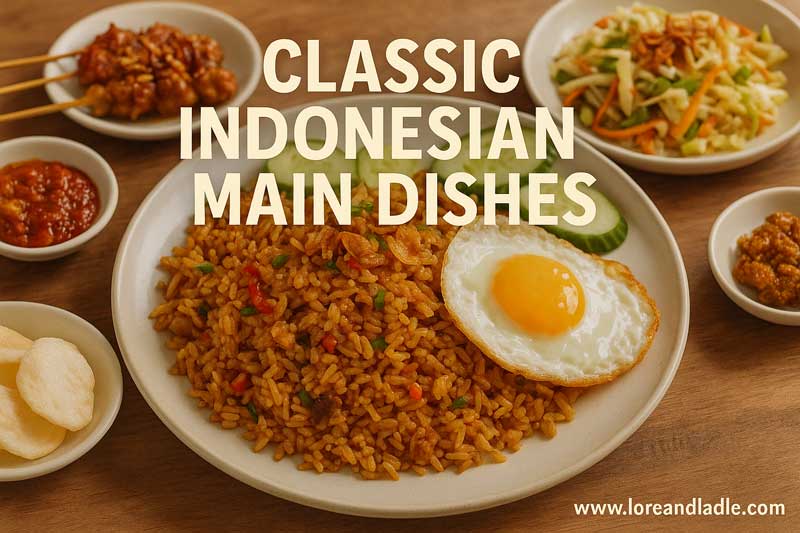
- Accessibility: Classic dishes like Ayam Pop, Nasi Goreng, or Mie Goreng invite beginners to practice essential skills—seasoning, heat control, and timing—while producing meals that feel authentic and comforting.
This cultural significance is not about complexity for its own sake. It’s about confidence in the kitchen, pride in home cooking, and the joy of sharing a dish that feels true to Indonesian flavor traditions. The dishes serve as a gentle invitation to explore more recipes later, step by step.
Other Easy Indonesian Main Dishes for Beginners
To complement Ayam Pop, consider two or three other approachable mains that highlight Indonesian culinary values:
- Nasi Goreng (fried rice): A versatile, pantry-friendly dish that celebrates leftover ingredients. Its history of practical frugality meets bold flavor from kecap manis, garlic, and shallots. It shows how a simple grain can become a center of a meal with little waste and much satisfaction.
- Mie Goreng (fried noodles): A quick, comforting staple that teaches balance between sweetness and savoriness. The texture of the noodles, combined with vegetables and a savory sauce, reflects the playful, forgiving spirit of home cooking.
- Ikan Pepes or Ayam Goreng as gentle alternates: These dishes highlight regional preferences while staying within a beginner-friendly comfort zone. Each version illustrates how Indonesian cooks adapt a core technique to local ingredients, making the method feel local and familiar.
These options reinforce the idea that Indonesian main dishes can be learned in stages. They offer a route from a single, approachable recipe to a broader repertoire without losing cultural meaning or culinary joy.
Tips for Beginners in the Kitchen
- Start with a simple seasoning set. A basic mix of garlic, shallot, white pepper, and salt works for Ayam Pop and many other mains.
- Respect timing. Let the chicken rest briefly after seasoning, and tune your heat to keep the exterior crisp without drying the inside.
- Use fresh accompaniments. Crisp cucumber, lime wedges, and a modest amount of sambal elevate the dish without overpowering the main flavors.
- Practice balance. Taste as you go, adjusting salt and sweetness gradually to preserve the dish’s bright, clean profile.
- Build gradually. Once you are comfortable with Ayam Pop, try Nasi Goreng or Mie Goreng to explore how rice and noodle bases hold and carry sauces.
A Respectful Look at Indonesia’s Culinary Tusions
The dishes discussed here reflect a respect for tradition and a love of home cooking. Each recipe invites mindfulness and care. The meals become occasions for connection—sharing, learning, and enjoying the warmth of a family kitchen. This is the cultural value at the heart of Easy Indonesian Classic Indonesian Main Dishes: Ayam Pop and More for Beginners. It’s not just about food; it’s about the ritual of preparing something delicious together.
Conclusion: The Beauty of Simple, Shared Flavor
Ayam Pop and its beginner-friendly peers offer a doorway into Indonesian flavor. The approach is clear, the technique approachable, and the outcome deeply satisfying. The dishes celebrate essential ingredients—garlic, shallot, pepper, rice, and a touch of brightness from fresh produce—while inviting cooks of all levels to participate in a timeless kitchen tradition. Through these meals, we glimpse a culture that honors simple beauty, careful technique, and the joy of sharing good food with others.