
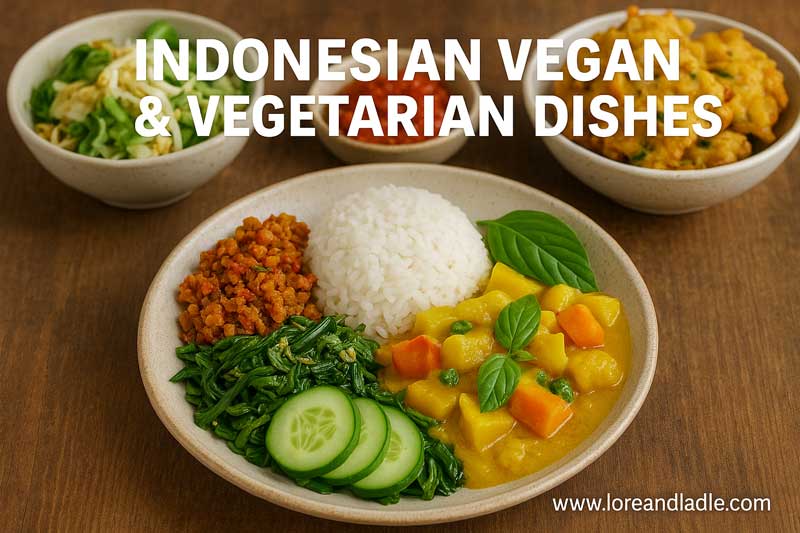
A Welcome to Easy Indonesian Vegan & Vegetarian Dishes: Rawon Beef Soup and More for Date Night at Home
This post invites you into a vibrant corner of Indonesian cooking. The title signals a blend: easy vegan and vegetarian versions of a traditional favorite, with Rawon as a centerpiece. Here, we celebrate the cultural value and culinary significance of these dishes. The focus stays on taste, technique, and the story each bowl can tell in a home kitchen.
Rawon: An Earthy Icon from Java
Rawon is more than a soup. It is an expression of balanced Indonesian flavors. Its dark broth draws the eye and invites the nose to follow a path of spices. The heart of rawon is the bumbu, a spice paste built from shallots, garlic, coriander seeds, and other aromatics. What truly sets rawon apart is its deep color, usually achieved with keluak, a dark nut. This color is not only visual; it signals a layered, earthy depth in every spoonful. The dish is traditionally served with white rice and crisp accouterments like melinjo emping crackers, lime wedges, and a chili paste. In every region, cooks adapt the bumbu to local tastes, showing the flexibility and communal spirit of Indonesian cooking. The result is a soup that feels at once comforting and refined—an everyday dish that can feel special for a date night at home.
Vegan and Vegetarian Interpretations: Keeping Soul While Substituting Meat
Vegan and vegetarian adaptations maintain the essence of rawon. The target is the same deep color, the same aromatic depth, and the same sense of warmth around a dining table. In plant-based versions, mushrooms such as shiitake or king oyster serve as hearty stand-ins for meat, soaking up the bumbu’s flavors. The keluak note can be preserved with traditional methods, or artisans may recreate the color with carefully chosen plant-based colorings and complementary ingredients. These adaptations honor the dish’s cultural logic: flavor comes first, then color, then texture. By focusing on how the bumbu develops in the pan, Home Cooks can reproduce the vertical layers of taste that define rawon. The result is a dish that speaks to Indonesian culinary craft without sacrificing plant-based principles.
The Bumbu: Crafting Flavor and Fragrance
The bumbu is the soul of rawon. Start with a base of shallots and garlic, then add spices such as coriander seeds, cumin, and a hint of nutmeg. A touch of lemongrass and galangal brightens the mixture, while kaffir lime leaves lend a citrus lift. The slow toasting and grinding of these components release oils and aroma, creating a perfume that fills the kitchen. When the paste meets hot oil, the kitchen becomes a place of gathering. For vegan versions, the same bumbu builds the foundation. The broth picks up color and depth as it simmers with plant-based stock and mushrooms. The result is a soup that tastes both familiar and reassuring, rooted in Indonesian technique and made welcoming for plant-forward dining.
Texture and Balance: A Sensory Symphony
Indonesian cooking often emphasizes balance: sweet, salty, sour, and spicy notes all have their moment. In rawon, the broth’s earthiness anchors the brighter sparks from lime and chili sambal. The soft rice provides a neutral canvas, while emping crackers add a crisp counterpoint. For date nights at home, this textural duo—silky soup, chewy mushrooms, crunchy crackers—creates a satisfying experience. Even in vegan versions, the interplay between smooth broth, tender mushrooms, and crisp garnishes mirrors the culinary philosophy of harmony that runs through Indonesian meals.
Date Night at Home: The Beauty of Shared Cooking
Cooking together for a date night strengthens the emotional bond around a well-crafted meal. Easy Indonesian vegan and vegetarian dishes like rawon encourage teamwork in a welcoming setting. There is joy in measuring spices, simmering the broth, and watching a sauce transform. The experience becomes a ritual, a small celebration of care and attention. Serving a carefully prepared bowl of rawon communicates warmth and hospitality. It invites conversation about flavors, memories of shared meals, and the simple delight of savoring a thoughtfully prepared dish.
Accompaniments: Rice, Emping, and Sambal
A traditional rawon presentation shines with simple sides. White rice is the perfect partner, letting the dark broth stand out. Melinjo emping crackers add a satisfying crunch. A bright sambal brings dynamic heat that can be adjusted for Comfort and preference. A squeeze of lime or a handful of fresh herbs can lift the dish, creating a fresh note that contrasts with the deep broth. In a date-night kitchen, these elements offer approachable steps to a complete meal. The result is a plate that feels both grounded and festive, rooted in Indonesian kitchen practice.
Cultural Value: The Role of Rawon in Indonesian Kitchens
Rawon embodies a family and community ethos visible in many Indonesian traditions. Its preparation often travels through households, with each cook adding a personal signature. The dish teaches patience, as the bumbu builds its strength through careful toasting and grinding. It highlights the use of locally derived ingredients—spices, herbs, and a nut that contributes color and depth. In many homes, rawon becomes a symbol of care: a bowl shared among loved ones after a long day, a small ceremony of connection through flavor. This cultural value—comfort, connection, and craft—elevates rawon beyond sustenance into a meaningful dining experience.
Exploring the Wider Collection: More for Date Night at Home
The broader collection of Easy Indonesian Vegan & Vegetarian Dishes expands the story. Other dishes showcase regional flavors, texture contrasts, and aromatic spice blends that reflect Indonesia’s culinary diversity. Each recipe can be adapted for plant-based kitchens while preserving the core idea: a respectful, curious approach to traditional flavors. The emphasis remains on preparing meals that feel special yet accessible, suitable for a thoughtful date night at home.
Techniques for Home Cooks: Practical Tips
- Build the bumbu in stages: toast spices lightly, then grind to release aroma.
- Use a stock that suits your dietary preferences; for vegan versions, a vegetable stock works well.
- Increase aroma with fresh lime, cilantro, or scallions as finishing accents.
- For color fidelity in vegan versions, experiment with keluak substitutes or plant-based colorings that mimic the deep hue, while keeping flavor at the forefront.
- Let the broth simmer slowly to allow flavors to mingle. A longer simmer builds depth without sacrificing clarity.
Final Thoughts: A Living Culture in Your Kitchen
Indonesian cuisine invites curiosity and care. Rawon stands as a beacon of earthy depth, aromatic bright notes, and comforting texture. The vegan and vegetarian interpretations honor this heritage while inviting new cooks to participate. For a date night at home, the dish offers a shared, soulful experience: a bowl that reminds us how flavor, color, and aroma can create warmth and connection. In this way, Easy Indonesian Vegan & Vegetarian Dishes: Rawon Beef Soup and More becomes more than a collection of recipes. It becomes a doorway into Indonesian culinary culture—where tradition, ingenuity, and hospitality meet at the table.