
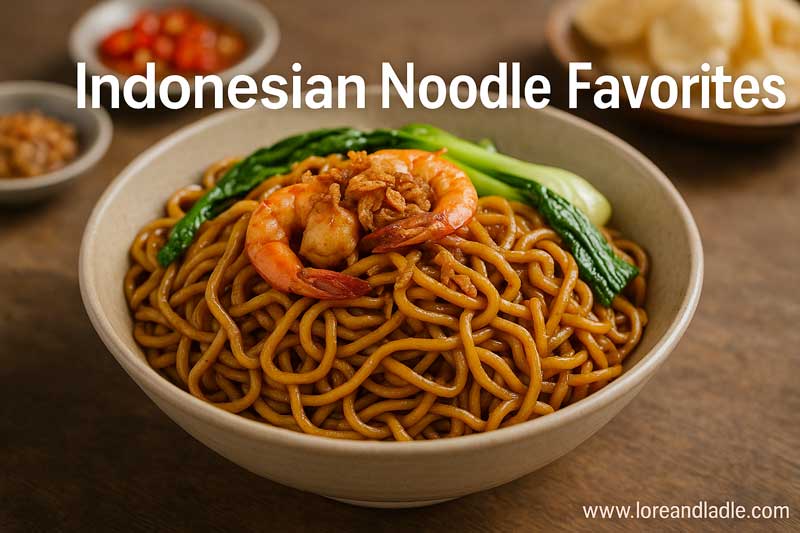
Easy Indonesian Indonesian Noodle Favorites: Sambal Tempeh Bowls and More for Cozy Nights In
This blog introduces a comforting trio of Indonesian noodle favorites, led by Sambal Tempeh Bowls. The collection invites you to explore the cultural value and culinary significance of noodles crafted with bold sambal, fragrant herbs, and homey tempeh. It is a guide for cozy nights in that stays inviting, approachable, and deeply flavorful.
Cultural Value: Food as Comfort and Hospitality
Indonesian noodles carry a long, everyday tradition. They appear at family kitchens, street stalls, and communal tables. The dishes welcome people with familiar aromas and bright balance. Noodles act as a shared language, inviting conversation around the bowl. This recipe set respects that spirit by pairing simple ingredients with thoughtful technique. The result is a meal that feels intimate, hospitable, and celebratory all at once.
Culinary Significance: Tempeh, Sambal, and Noodles
Tempeh is a proud Indonesian fermented soybean cake. It brings a sturdy bite, nutty flavor, and protein to every bowl. Sambal offers color, heat, and brightness, tying the dish to everyday practice in home kitchens. Noodles provide a flexible canvas for textures and sauces. Together, these elements showcase a balanced approach to flavor: spicy, sweet, sour, and savory notes harmonize without overwhelming the palate. The combination elevates humble ingredients into an expressive, satisfying meal.
Core Components: Sambal Tempeh Bowls
Sambal Tempeh Bowls anchor the menu. Tempeh is marinated or lightly fried for texture. Sambal is prepared with chili, garlic, shallot, and a touch of sweetness. Fresh vegetables, herbs, and a glossy noodle base complete the bowl. The layering creates depth: a crisp bite, a bright heat, and a comforting, earthy finish. This structure makes the dish both approachable for beginners and deeply satisfying for seasoned home cooks.
Techniques and Flavor Building
Begin with a quick fry of tempeh to develop a golden crust. Then toast aromatics to awaken their fragrance. Stir in the sambal and a splash of sweet soy or sugar to balance heat. Toss the cooked noodles with a drizzle of sesame oil for shine. Finish with crisp vegetables, lime zest, and a handful of fresh herbs. Each step builds flavor without losing the dish’s light, welcoming character. The process emphasizes control: heat should wake the ingredients, not overwhelm them.
Regional Variations and Personal Touches
Indonesia offers regional nuances in noodle dishes. Some versions favor a lighter sambal with more lime for brightness. Others include a fried egg on top or sliced cucumbers for crunch. Rice noodles or egg noodles can replace wheat noodles depending on preference. Toppings vary from sesame seeds to peanuts, or a scattering of fried shallots. These adaptations honor local tastes while keeping the core concept of sambal, tempeh, and noodles intact.
Pairings, Serving, and Aesthetics
Serve bowls warm in shallow, wide dishes to showcase colors. A squeeze of lime brightens the plate, and a few fresh herbs lift the aroma. Side dishes like crunchy vegetables or a small bowl of pickles enhance texture variety. The presentation matters: a vibrant bowl invites savoring with the eyes as well as the palate. The result is a comforting meal that feels both satisfying and special.
Sustainability and Mindful Cooking
Tempeh stands out for sustainable protein; it requires modest resources and supports fermentation traditions. Choosing fresh vegetables and locally sourced noodles reduces environmental impact while boosting flavor. Mindful cooking means tasting as you go, balancing heat, salt, and sweetness. This approach aligns with cozy-night-in eating: nourishing, respectful, and thoughtful.
Conclusion: Cozy Nights In with Indonesian Flavor
Easy Indonesian Indonesian Noodle Favorites celebrate the warmth of home cooking. Sambal Tempeh Bowls sit at the heart of the collection, inviting you to explore textures, heat, and brightness in a single bowl. With open-hearted preparation and flexible ingredients, these noodles become more than a meal—they become a comforting ritual. The dish stands as a flavorful reminder of Indonesian culinary craftsmanship, where simple ingredients transform into memorable meals for quiet evenings at Home.