
Introduction
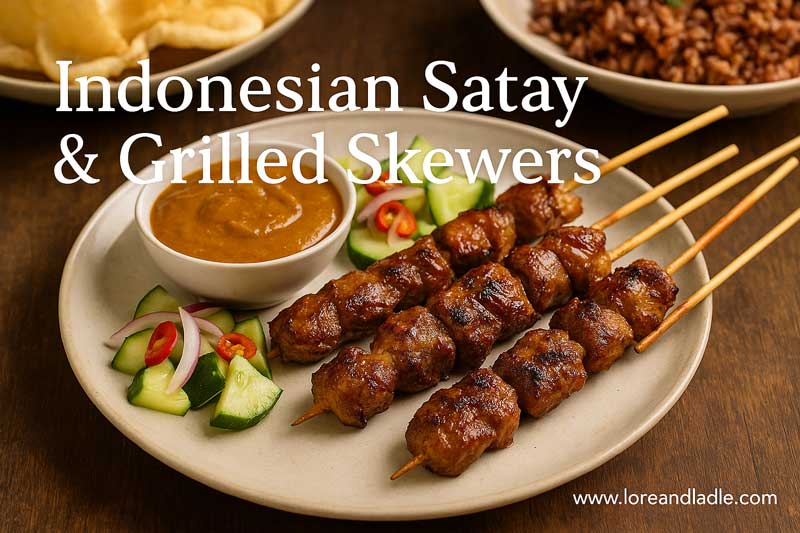
Easy Indonesian Indonesian Satay & Grilled Skewers: Nasi Campur and More for Game Day invites readers to a vibrant corner of Indonesian cooking. This dish blends marinated skewers, a fragrant nasi campur platter, and bright accompaniments into a friendly, shareable feast. The result Is a celebration of balance, bold aroma, and kitchen craft. The plate tells a story of ingredients grown close to home, careful seasoning, and the joy of gathering around a meal.
Nasi Campur: A Bowl of Balance
Nasi Campur translates to “mixed rice,” and this dish is celebrated for its harmony. Rice serves as a calm base, while small portions of vegetables, protein, and condiments mingle on the plate. The idea is contrast and balance: soft rice with savory meat, crisp pickles, and a tangy-sweet sambal. In Indonesian cuisine, this format highlights the value of variety in a single meal. For game day, its balance makes it easy to please a crowd with different tastes while keeping the flavors cohesive.
Satay and Grilled Skewers: Craft and Flavor
Satay and grilled skewers anchor the dish with a simple, powerful technique. Meats or tofu are marinated to deepen flavor, then skewered and grilled over steady heat. The result is tender texture and a smoky edge. A peanut sauce or other dipping sauce adds richness and a gentle sweetness. This combination—meat, smoke, and a bright finishing sauce—exemplifies how Indonesian cooks coax depth from familiar ingredients. The skewers celebrate technique as a form of craft, turning everyday pantry items into a ceremonial plate.
Cultural Value: Shared Meals and Indonesian Foodways
Indonesian food culture centers on sharing and seasonality. Small plates accompany a main Rice Bowl, inviting dialogue between flavors and textures. Markets, home kitchens, and Family gatherings all support this way of eating. The dish embodies hospitality: guests sample bites, compare tastes, and discover a rhythm of meals that travels from street stalls to home tables. The result is a cuisine that feels welcoming, attentive to detail, and joyful in its diversity. This approach to food reinforces community and the pleasure of cooking together.
Game Day Ready: A Flavorsome, Easy-To-Share Menu
For game day, this dish shines with its audience-friendly format. Skewers are easy to pick up and pass around. The nasi campur portioning lets guests build their own bites. The flavors are bright enough to energize a gathering and comforting enough to feel like home. Clear sauces, crisp vegetables, and well-balanced spice keep the plate lively without overwhelming the palate. In short, it pairs well with conversation and friendly competition, while highlighting Indonesian culinary artistry.
Key Ingredients and Techniques
Core ingredients include marinated proteins, peanut sauce or a similar dip, and the hallmark elements of nasi campur: rice, vegetables, and pickles. Aromatics such as garlic, shallots, turmeric, and lemongrass lend warmth. Sweet soy sauce brings a glossy finish and gentle sweetness. The cooking technique—marinate, skewer, grill, and serve with a bright sauce—demonstrates how simple steps build a memorable dish. Each component enhances the others, creating a cohesive, celebratory plate.
Cooking Tips for Home Chefs
- Marinate with a light hand to preserve the meat’s natural tenderness.
- Grill over medium heat to avoid charring and to keep the inside juicy.
- Layer flavors with a quick peanut sauce that balances sweet, sour, and salty notes.
- Prepare nasi campur components in advance; then assemble to serve.
- Offer fresh cucumbers or pickles for a crisp contrast and color.
Final Reflections: The Beauty of Indonesian Cuisine on Game Day
This dish showcases how Indonesian cuisine blends technique, balance, and hospitality. The skewers bring drama and aroma, while nasi campur provides a flexible, inviting canvas. Together, they honor a culinary tradition that values craft, community, and the joy of shared meals. As you welcome friends to the table, you celebrate not only flavor but the cultural richness that makes Indonesian cooking a cherished part of global dining.