
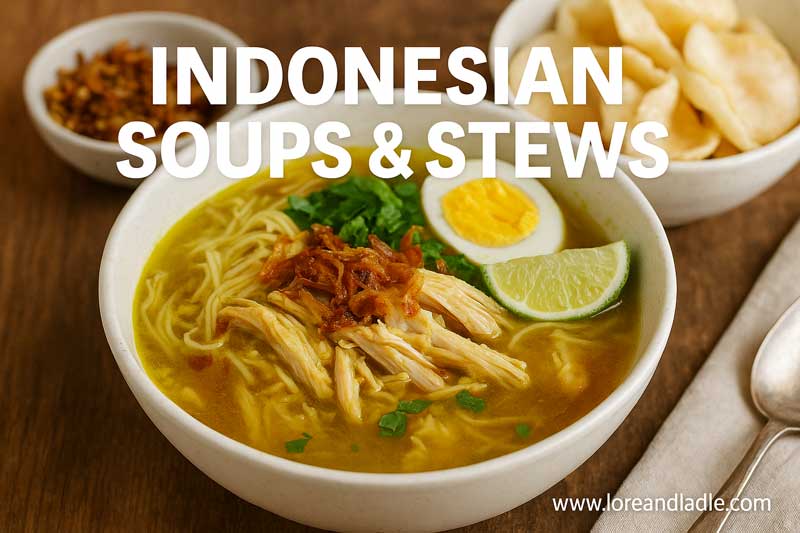
Introducing Easy Indonesian Indonesian Soups & Stews: Ayam Kecap and More for Busy Weeknights
This piece invites you into a favorite corner of Indonesian Home Cooking. The spotlight is on Ayam Kecap, a dish that embodies warmth, comfort, and daily nourishment. The phrase “Easy Indonesian Indonesian Soups & Stews” signals a collection that centers on approachable, flavorful meals. Ayam Kecap and its companions show how simple ingredients become meaningful through thoughtful technique and time-honored balance. The beauty here lies in how a pot of chicken and glaze becomes a shared moment around rice, vegetables, and family stories.
What is Ayam Kecap?
Ayam Kecap translates to chicken in sweet soy sauce. The key ingredient is kecap manis, a thick, caramel-sweet soy sauce that adds depth and a glossy finish. The dish blends garlic, shallots, ginger, and aromatics to create a warm, rounded aroma. The chicken braises gently, picking up the sauce’s sweetness and savoriness. The result is tender meat that pairs beautifully with steamed rice and a bright splash of fresh greens or cucumber. The flavors are clear, inviting, and versatile enough to suit different pantry supplies.
Cultural Value in Indonesian Home Cooking
Ayam Kecap resonates in Indonesian kitchens as a comforting staple for everyday meals. It speaks to a culture of hospitality, where a pot on the stove invites shareable moments and a sense of welcome. The dish uses pantry-friendly ingredients, making it accessible to homes of varied sizes and seasons. It embodies a respectful balance between sweetness and savoriness, a hallmark of many Indonesian flavors. The preparation encourages patience and care without requiring elaborate techniques, reflecting a practical yet appreciatively crafted approach to cooking. In this way, Ayam Kecap stands as a dependable anchor in weekly routines, reinforcing the importance of nourishing meals that honor family and friends.
The Culinary Signature: Flavor, Technique, and Texture
The beauty of Ayam Kecap lies in its glaze. Kecap manis delivers a caramel hue and a soft sweetness that envelops the chicken. The garlic and shallots contribute perfume and bite, while ginger adds a warm zing. Aromatic leaves such as lemongrass or kaffir lime can lift the scent, if available, creating a brighter finish. The technique centers on gentle browning followed by slow simmering, allowing the sauce to thicken and cling to every piece of meat. The final texture is glossy and moist, with a sauce that lightly coats the rice. This combination showcases Indonesian culinary artistry: simple steps, precise flavors, and a plate that feels both comforting and refined.
Practicality for Busy Weeknights
Ayam Kecap adapts well to demanding evenings. It relies on everyday ingredients and a straightforward cooking flow. A single pot can deliver both protein and sauce, minimizing labor and cleanup. The dish suits flexible schedules: you can start it after work and let the flavors deepen, or prepare components earlier and finish with a quick simmer. The result is a satisfying meal that delivers rich taste without complexity, making it an ideal centerpiece for weeknights when time matters but quality remains essential.
Serving Traditions and Pairings
Ayam Kecap pairs beautifully with steamed white rice, the classic canvas for Indonesian flavors. A side of crisp cucumber or fresh greens adds balance and a refreshing counterpoint to the glazed meat. A small helping of sambal, if desired, can introduce a gentle heat that complements the sweet-salty glaze. Fried shallots sprinkled on top lend a subtle crunch and perfume. The dish invites a calm, mindful serving: a simple plate, a generous portion of rice, and the shared pleasure of a well-made, comforting meal.
Regional Variations and Continuity
Across Indonesia, cooks adapt Ayam Kecap to local tastes and ingredients. In some regions, the glaze leans toward a stronger sweet-salty note, while in others, a hint of acidity or citrus rounds the sauce. Adjustments may include different aromatics, such as pandan leaves or tomatoes, which subtly change the fragrance and body of the sauce. These variations illustrate the culinary landscape’s richness while preserving the dish’s core essence—chicken, a glossy sweet-soy glaze, and a harmony of aromatics that celebrate home cooking. The continuity comes from shared techniques and a common Love for crafting meals that comfort and connect.
Conclusion
Ayam Kecap, as part of Easy Indonesian Indonesian Soups & Stews, offers a window into the cultural value and culinary significance of Indonesian home cooking. It honors the art of turning simple ingredients into a dish that nourishes both body and spirits. By pairing with rice, fresh vegetables, and a light touch of spice, Ayam Kecap becomes more than a meal; it is a quiet celebration of everyday life, craft, and community. For busy weeknights, it proves that thoughtful, flavorful cooking can be both accessible and deeply meaningful.