
A Warm Welcome to Easy Indonesian Vegan & Vegetarian Dishes for Date Night at Home
Indonesian flavors invite curiosity and warmth to the table. This collection centers on easy, at-home dishes that celebrate cultural taste and culinary craft. You’ll find Sate Ayam referenced as a traditional anchor, alongside plant-based adaptations that honor the same aromatic language. The aim is a date night that feels elegant yet approachable, where simple ingredients become a shared experience. Expect bright herbs, smoky grills, and a peanut sauce that ties the flavors together with a kiss of sweetness and spice. Each bite offers a moment to savor Indonesian culinary values: balance, generosity, and the joy of cooking together.
Sate Ayam: A Classic Skewer’s Cultural Pulse
Sate Ayam is a classic of Indonesian street and home dining. Bite-sized pieces of chicken are marinated to capture bright garlic, ginger, and coriander notes, then threaded on skewers and grilled until the edges glow with caramelization. The scent is immediate: a smoky, peppery aroma that invites conversation and anticipation. The dish demonstrates a key Indonesian idea: simple ingredients, treated with care, reveal bold flavors. The skewers are a social art form as well—meant for sharing, for dipping, for savoring in sequence with friends or loved ones. Even in a home kitchen, Sate Ayam carries that spirit of communal eating, turning a meal into a small celebration of togetherness.
Vegan and Vegetarian Adaptations: Tempeh, Tofu, and Mushrooms
Vegan and vegetarian versions stay faithful to the cultural flavor profile while offering plant-based options. Tempeh, tofu, and mushrooms absorb the marinade beautifully and grill with a satisfying bite. Here are easy paths you can try:
- Tempeh Satay: Layer slices of tempeh with a bold soy-garlic-lime marinade. Char them until the edges redden with a light crust.
- Tofu Satay: Use extra-firm tofu, pressed and marinated in a mix of kecap manis, coriander, and turmeric. Grill for a crisp exterior.
- Mushroom Satay: Wide mushrooms or shiitake caps soak up spice and smoke, providing a meaty texture that feels indulgent.
Each option stays true to the Indonesian flavor language: garlic, shallot, lemongrass, turmeric, and a touch of palm sugar. The result is satisfying, aromatic, and distinctly Indonesian, even when the protein shifts from meat to plant-based ingredients. These adaptations show the versatility of satay as a technique and a philosophy of hospitality.
The Peanut Sauce: A Silk-Sweet Embrace
No satay is complete without the sauce. The peanut sauce is a silky, balanced companion that bridges sweet, salty, and spicy notes. It begins with roasted peanuts ground to a creamy base, then brightened with garlic, tamarind, lime, and a whisper of chili. A splash of coconut milk gives it a gentle richness, while kecap manis provides a mellow sweetness. The sauce invites dipping and drizzling, turning every bite into a dialogue between the grill’s smoke and the pantry’s pantry staples. This sauce is more than a condiment; it’s a cultural storyteller, telling of Indonesian kitchens where depth and harmony are found in everyday ingredients.
The Grilling Craft: Char and Aroma
Grilling is a central skill in shaping satay’s character. A steady flame imparts a smoky edge while keeping the interior tender. Marinades infuse flavor deeply, so the meat or plant-based skewers stay juicy and flavorful. Use wooden skewers soaked in water to prevent burning, and rotate the skewers to achieve even charring. The aroma is a cue that dinner is becoming something special. The act of grilling—watching the glaze caramelize, hearing the sizzle, and feeling the warmth—connects you to a shared culinary ritual found in Indonesian kitchens across regions. This craft emphasizes patience, attention to detail, and gratitude for good ingredients.
Rice, Accompaniments, and Plate Balance
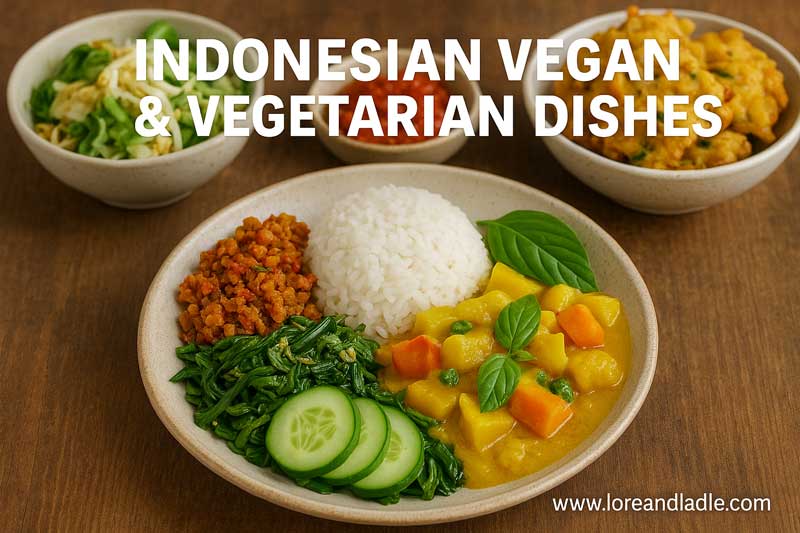
A complete plate complements satay with textures and brightness. Steamed jasmine rice or fragrant coconut rice provides a clean canvas for the bold flavors. Fresh cucumber slices offer crisp contrast, while pickled vegetables or acar bring tangy brightness. A small portion of cracker or bread can help scoop up sauce. The balance of soft, crunchy, creamy, and bright notes mirrors Indonesian dining philosophy: harmony across textures and tastes. Side dishes and garnishes are not afterthoughts but partners in the experience, each contributing to a well-rounded, satisfying plate.
The Culture of Sharing: Dining at Home
Satay meals celebrate generosity and shared pleasure. When you lay out skewers, sauce bowls, and a bright plate of sides, you invite conversation and eye contact. This is not just about eating; it is about creating a moment of connection. The act of cooking together reinforces care, patience, and attention to detail. In many Indonesian homes, meals become stories told through aroma, color, and texture. A date night at Home can echo that tradition, turning a simple dinner into a warm, affectionate ritual that honors the cooking craft and the people sharing it.
Crafting Your Date Night: Tips for Tweaking Flavor and Focus
- Start with a simple marinade for your chosen protein or plant-based option, and let it rest. Longer marination deepens flavor.
- Keep the peanut sauce smooth and bright by whisking in a touch of lime juice just before serving.
- Use a light, fresh garnish—coriander leaves or sliced scallions—to lift the dish and add color.
- Set out the sauces, rice, and vegetables in a way that invites dipping and sharing. A playful setup enhances the mood of the evening.
- Pair the meal with a non-alcoholic drink that complements the spice and sweetness, such as a citrusy sparkling tea or a ginger-lemon infusion.
Wrapping Up: A Romantic Celebration of Indonesian Flavor
Easy Indonesian Vegan & Vegetarian Dishes offer more than meals; they present a doorway into a vibrant culinary culture. Sate Ayam anchors tradition, while plant-based adaptations invite new cooks to participate in the flavor story. This approach highlights how technique, balance, and generous hospitality can shine in a home kitchen. On date night, you can enjoy the same sense of discovery and comfort that these dishes bring to many Indonesian tables. The result is a memorable, respectful celebration of flavor, texture, and cultural craft—an invitation to explore Indonesian cuisine with curiosity, warmth, and gratitude.