
Introduction
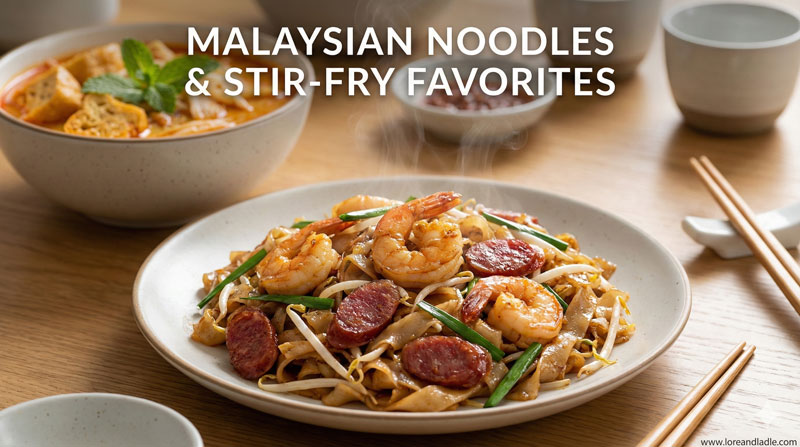
Mee Goreng Mamak at Home With Ingredients From Any U.S. Grocery Store invites you to explore a dish that blends warmth, color, and spice. This post focuses on its cultural value and culinary significance, celebrating how a street favorite travels, adapts, and keeps its soul intact. The name itself signals a lively city food scene, where cooks draw on shared flavors to create something both comforting and exciting. You can assemble a faithful version using ingredients found in most American grocery stores, making this a welcoming introduction to a cherished Malaysian-Indian flavor tradition.
The Cultural Canvas of Mee Goreng Mamak
Mee Goreng Mamak sits at the crossroads of taste and technique. It embodies a simple idea: humble noodles can carry a rich tapestry of influences and aromas. The dish we know as Mee Goreng Mamak comes from bustling stalls run by Mamak cooks, who blend Malay ingredients with Chinese-influenced frying methods and Indian spice notes. This blend creates a signature harmony—savory, sweet, tangy, and lightly spicy—paired with the bright lift of fried onions and fresh herbs. In every bite, you sense the warmth of a street-side cook preparing something that feels both familiar and new. The dish is a celebration of shared flavors, approachable for Home Cooks and vivid in its aroma, color, and texture.
Culinary Significance: Techniques, Textures, and Flavor Bridges
The beauty of Mee Goreng Mamak lies in its technique and balance. A hot wok sizzles the garlic, onion, and chili, then noodles mingle with a glossy sauce that blends soy, sweetness, and tomato brightness. The egg adds a soft, creamy contrast to the chewy noodles, while optional vegetables or proteins introduce color and texture. That glossy glaze, often enriched with a touch of ketchup and sweet soy, creates a lacquered finish that clings to each strand of noodle. The result is a dish that feels both lively and comforting. This combination shows how a simple stir-fry can carry a wide spectrum of flavors, turning everyday ingredients into something memorable. The culinary significance rests in the way Mee Goreng Mamak respects technique—high heat, quick toss, and precise timing—while inviting home cooks to improvise with what they have. It is a vivid example of how a regional favorite can teach technique and flavor without losing its character.
From Street Stall to Home Kitchen: Universality and Adaptability
One of the most inviting aspects of Mee Goreng Mamak is its accessibility. In many kitchens, you can recreate its essence with ingredients available in any U.S. grocery store. The dish teaches us that food can travel and still feel local. It invites cooks to adapt, swap, and substitute without sacrificing authenticity. This adaptability reflects a broader culinary ethos: the joy of making something vibrant using what’s at hand. As you assemble the dish at home, you bring together memories of lively stalls, family meals, and shared tables, all while honoring the core flavors that define Mee Goreng Mamak. This universality—rooted in technique and flavor—makes the dish a beloved classic in many kitchens beyond its place of origin.
Ingredients and Their Cultural Notes
While we focus on cultural value, it helps to know how ingredients carry meaning in Mee Goreng Mamak. Noodles provide the backbone, linking textures and forms. Garlic and onions offer aroma and depth, while chili and a touch of sweetness bring brightness and warmth. Tomatoes add a tangy note that lightens the dish, and eggs introduce richness. Soy sauce and a sweet soy or a pinch of sugar help balance savory and sweet elements. Optional proteins like chicken or shrimp and vegetables such as cabbage or greens contribute color and substance. The result is a dish that feels both everyday and festive, suitable for a quick weeknight dinner or a weekend gathering with friends and family.
Serving, Garnish, and the Experience
Mee Goreng Mamak shines when served with a few thoughtful touches. A squeeze of lime brightens the dish just before eating. A scatter of fried shallots or chopped scallions adds crunch and aroma. Some diners enjoy a small side of fresh cucumber or herbs to contrast the noodles’ warmth. The finishing finish—hot, glossy noodles, vibrant color, and a balance of flavors—creates an inviting moment at the table. This presentation reflects the dish’s cultural value: it invites sharing, conversation, and appreciation for how simple ingredients can harmonize into something greater than the sum of its parts.
Final Thoughts: A Celebration of Flavor and Craft
Mee Goreng Mamak at Home With Ingredients From Any U.S. Grocery Store is more than a recipe. It is a doorway into a lively food culture that values balance, technique, and generosity. The dish demonstrates how cooks honor tradition while embracing accessibility and personal touch. When you prepare it, you participate in a long-standing practice of bringing together flavors, textures, and aromas in a single, satisfying plate. The result is a dish that feels both humbly familiar and richly expressive—a reminder of the beauty that can emerge when culinary craft meets everyday living.