
Introduction
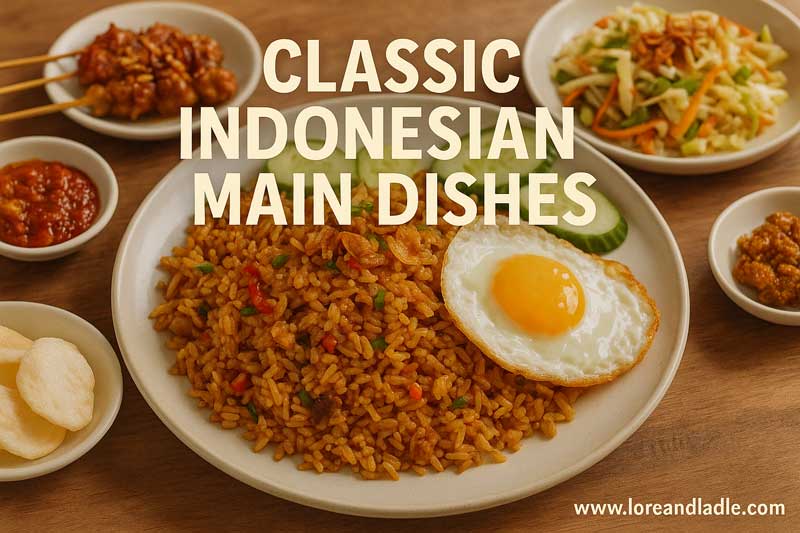
How to Make Easy Mie Goreng at Home (Classic Indonesian Main Dishes Idea) opens a window into Indonesian food culture. This dish holds a simple elegance: noodles tossed with aromatics, vegetables, and a glossy, savory glaze. In this post, the focus is on cultural value and culinary significance. You will discover how a humble home kitchen can echo markets, streets, and family tables across Indonesia. The recipe is designed for Home Cooks who want speed without sacrificing depth of flavor. With clear steps and flexible ingredients, you can celebrate a beloved main dish that fits weeknights and gatherings alike.
What is Mie Goreng?
Mie Goreng literally means fried noodles. It is a versatile dish built around yellow wheat noodles or egg noodles, fried with garlic and shallots, then dressed in a caramel-kissed sauce. A classic balance of sweet, salty, and savory flavors emerges from kecap manis, a thick sweet soy sauce, along with regular soy sauce and a touch of sugar. Vegetables such as cabbage, carrots, and scallions add crunch and color. Proteins vary from chicken and shrimp to eggs, making the dish adaptable for many tastes. A squeeze of lime and a handful of fried onions finish the plate with brightness and texture. In many households, Mie Goreng also reflects regional twists, making it a shared canvas for heritage and everyday creativity.
Cultural Value and Culinary Significance
Mie Goreng embodies everyday Indonesian life. It appears in homes, on street stalls, and in casual eateries, offering a reliable, comforting meal. The dish welcomes improvisation, inviting cooks to use what is on hand while honoring a timeless flavor profile. Families often adjust the recipe to mirror family favorites, preserving personal touches from generation to generation. Across Java, Bali, Sumatra, and beyond, the dish connects people through a shared method: quick high-heat stir-fry that preserves texture and brightness. The result is more than sustenance; it is a social experience—sharing bowls, teaching technique, and celebrating a common culinary language. Its simplicity and depth together make Mie Goreng a classic that speaks to the heart of Indonesian home cooking.
Key Flavors and Techniques
The signature aroma comes from garlic and shallots sautéed in a hot wok or skillet. This base lays the foundation for a robust, layered taste. Kecap manis supplies sweetness and a glossy glaze that clings to every strand of noodle. A dash of regular soy sauce adds depth and balance. Fresh chili or sambal brings a gentle heat for those who like a little kick. Caramelization in the hot pan creates a desirable wok hei—an inviting smoky, slightly charred note that signals expert technique. Proper timing matters: add sauces after the aromatics, toss the noodles quickly to coat, and avoid overcooking to keep the dish vibrant and al dente. Garnishes like fried onions and lime wedges brighten the plate and invite a final, refreshing contrast.
Easy Home Version: Step-by-Step
This section offers a clear, home-friendly approach. You can customize proportions to fit your pantry while keeping the essence intact.
- Ingredients (serves 2-3)
- 200–250 g yellow noodles or egg noodles
- 1–2 tablespoons oil
- 2 cloves garlic, minced
- 2 shallots, minced
- 1 cup mixed vegetables (cabbage, carrot, scallions)
- 150 g chicken or shrimp (optional)
- 1–2 eggs
- 2–3 tablespoons kecap manis
- 1 tablespoon soy sauce
- Salt and pepper to taste
-
Optional: chili or sambal, lime, fried onions, krupuk for serving
-
Steps
1) Prepare noodles: cook briefly if needed, drain, and set aside. They should be flexible, not mushy.
2) Heat oil in a hot pan or wok. Add garlic and shallots; sauté until fragrant.
3) If using meat or shrimp, stir-fry until nearly cooked through.
4) Add vegetables; stir-fry for 1–2 minutes to keep color and crunch.
5) Push ingredients aside, crack eggs in the pan, and scramble until just set.
6) Add noodles, then pour in kecap manis and soy sauce. Toss quickly to coat every strand.
7) Adjust seasoning with salt, pepper, or a touch more soy. Remove from heat.
8) Garnish with fried onions and a lime wedge. Serve with krupuk if available. -
Quick tips
- Keep the heat high for a crisp-tried texture; work fast.
- If noodles clump, rinse briefly and toss with a tiny bit of oil.
- Use kecap manis as your flavor anchor; adjust sweetness with a splash of regular soy sauce if needed.
Serving Suggestions and Pairings
Mie Goreng shines as a satisfying main dish with adjustable richness. Serve immediately for the best texture. Slices of cucumber or a light pickle provide a refreshing balance. A small plate of krupuk (crispy crackers) adds a playful crunch. A wedge of lime invites a bright finish that lifts the sauce. If you like extra heat, a side of sambal on the table lets each guest tailor the spice level. This approach highlights the dish’s flexibility and its ability to fit various dining moments, from casual weeknights to small gatherings with friends and family.
Tips for Authenticity
- Use a well-seasoned wok or a large skillet to achieve even high heat. This helps develop that signature wok aroma.
- Choose kecap manis with a good balance of sweetness and depth. It forms the glaze that defines the dish.
- Keep noodles slightly undercooked if you plan to toss them again in the pan; they will finish cooking with the sauce.
- Prepare all ingredients before you start cooking. Quick assembly preserves texture and flavor.
- Don’t overload the pan. Cook in batches if needed to maintain strong heat and proper searing.
Conclusion
Mie Goreng is more than a meal; it is a touchstone of Indonesian home cooking. Its easy preparation invites everyone to participate in a shared culinary tradition that emphasizes balance, texture, and warmth. By following these steps, you bring a beloved classic to your table—one that honors flavor, technique, and the joy of gathering around a single, satisfying plate. Enjoy the process, savor the aroma, and celebrate the dish’s place in Indonesian food culture.