
Introduction
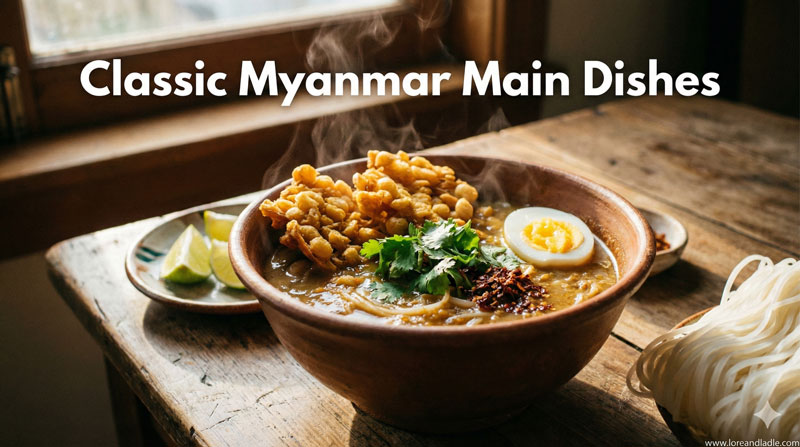
Entertaining Guests with Classic Myanmar Main Dishes Made Simple is a welcoming invitation to explore the heart of Myanmar’s kitchen. This concept gathers beloved main dishes that are approachable yet deeply rooted in regional cooking. It highlights cultural value and culinary significance, showing how simple recipes can carry history, seasonal ingredients, and hospitality in one shared meal. The focus is on beauty, balance, and the joy of hosting with warmth.
A Table of Hospitality in Myanmar
Hospitality is a living tradition at the table. When guests arrive, the kitchen fills with aroma, color, and conversation. Myanmar cooks often prepare a compact set of complementary dishes so flavors can mingle and guests can choose what they enjoy. A steaming pot of rice anchors the meal, while a fragrant curry, a tangy fish dish, a vegetable accompaniment, and a mellow broth or soup provide variety. Sharing bowls and generous portions express care, generosity, and respect for company. This approach keeps entertaining accessible while honoring a long-standing Love for good food shared with friends and family.
Core Flavors and Techniques
The main dishes in this concept hinge on balance and fresh technique. Core ingredients include rice, coconut milk, garlic, shallots, and a chorus of herbs such as lemongrass, turmeric, and lime leaves. Fermented fish paste (ngapi) and fish sauce contribute depth, while tamarind or lime brings brightness. Spices are typically warmed in oil to bloom their aroma, then simmered to marry flavors gently. Slow simmering lets potatoes, onions, and squash drink up the curry’s moisture, while quick sautés keep vegetables vibrant. The result is a spectrum of dishes that taste both comforting and refined, designed to be shared in a relaxed, festive setting.
A Simple Menu for Entertaining
This collection emphasizes ease without sacrificing depth. Here are four classic Myanmar main dishes that fit well into a simple entertaining plan:
- Chicken curry with potatoes and onions in a coconut milk base. The recipe emphasizes gentle heat, creamy texture, and a soothing finish that pairs with steamed rice.
- Fish curry with lemongrass, tamarind, and lime. Bright, tangy notes brighten the table and pair beautifully with fresh herbs.
- Beef curry with onions and turmeric. This dish offers a robust, earthy aroma and a silky sauce that invites generous ladling over rice.
- Eggplant and tomato curry in a coconut-tomato sauce. A vegetarian option that shows how plant-based elements can carry rich character.
Each dish centers on accessible techniques: simmering in a wide pot, layering flavors with a brief spice bloom, and finishing with a fresh squeeze of lime or a handful of herbs. To keep the family format intact, plan to prepare one dish ahead and finish the others close to serving time. A simple cucumber salad or sautéed greens can accompany the main dishes, providing contrast and balance.
Quick Hosting Tips for Effortless Enjoyment
- Plan a light mise en place. Wash herbs, measure spices, and have rice ready to steam. This keeps the kitchen calm and fast.
- Cook in stages. Simmer curries in steps so flavors develop gradually and aromas stay inviting.
- Present in a shared, approachable way. Use a central serving platter for the main curry and individual bowls for fish and beef dishes.
- Focus on aroma and color. A final garnish of fresh herbs, lemon wedges, or chili slices adds visual appeal and brightness.
- Keep it relaxed. Encourage guests to serve themselves, fostering conversation and a warm, communal mood.
The Cultural Significance at the Table
These dishes carry a sense of place and seasonal abundance. Rice connects daily life with festival and family gatherings; it is a quiet, steady presence on the table. The use of coconut milk and lemongrass reflects coastal and inland markets, where growers and vendors bring fresh harvests to Home Cooks. The layering of sour, salty, spicy, and sweet flavors mirrors a cultural appreciation for balance and harmony at meals. Sharing a few well-chosen main dishes signals hospitality, respect, and the joy of hosting. In this context, cooking becomes a language through which guests and hosts express care, memory, and gratitude for one another.
Techniques That Make Myanmar Main Dishes Accessible
- One-pot simmering. A single pot can deliver a full, comforting curry with depth.
- Flavor blooming. Warming garlic, shallots, and spices in oil releases essential aromas, guiding your palate toward the dish’s core notes.
- Fresh-yet-stable balance. Coconut milk provides body without heaviness, enabling multiple dishes to sit together on the table without overpowering one another.
- Fresh finishing. A squeeze of lime or a handful of chopped herbs brightens each dish just before serving.
- Seasonal adaptability. The same methods adapt with different proteins or vegetables, letting you tailor the menu to what’s fresh at the market.
A Note on Presentation and Hospitality
Presentation matters, but not perfection. A neat spread with a central rice pot, a couple of colorful curries, and small bowls of pickled vegetables or fresh herbs invites guests to explore flavors at their own pace. Friendly, unhurried service reinforces the sense of welcome. When guests feel seen and included, the meal becomes more than food—it becomes a shared experience of culture and care.
Final Thoughts
Entertaining Guests with Classic Myanmar Main Dishes Made Simple invites you to celebrate the beauty of Myanmar cooking with approachable, soulful dishes. The menu’s strength lies in its clarity: honest flavors, straightforward techniques, and a spirit of generosity. By focusing on the cultural value and culinary significance of these main dishes, you can host with ease while honoring a time-honored tradition of hospitality. Whether you are new to Myanmar cuisine or revisiting familiar flavors, these dishes offer a warm path to memorable gatherings, delicious aromas, and a table that welcomes every guest with respect and joy.