
A Bowl of Shared Tradition
Nasi goreng, the humble Indonesian fried rice, holds a special place in kitchens across the archipelago. It is both everyday nourishment and a canvas for flavor. In a busy morning or a quiet evening, a wok sings, and the kitchen fills with the aroma of garlic, onion, and sizzling rice. This dish welcomes everyone to the table, inviting conversation, warmth, and a sense of belonging. It shows how a simple handful of ingredients can become something meaningful when cared for with patience and curiosity. The act of turning leftover rice into a feast speaks to a culture that values resourcefulness, care, and hospitality.
Flavor, Technique, and Balance
At its heart, nasi goreng celebrates balance. The taste moves between savory, sweet, and a touch of smokiness, with brightness from chilies and a hint of tang from lime or other citrus. The technique—high-heat stir-frying so each grain remains separate—preserves texture and aroma. A quick flick of the wrist, a toss of the wok, and the rice absorbs soy, garlic, shallots, and spices in a way that feels both comforting and lively. This harmony reflects a culinary philosophy that honors contrasts—soft grains, crisp edges, rich sauce, and fresh toppings—creating a dish that feels at once robust and refined.
Chicken as a Central Theme
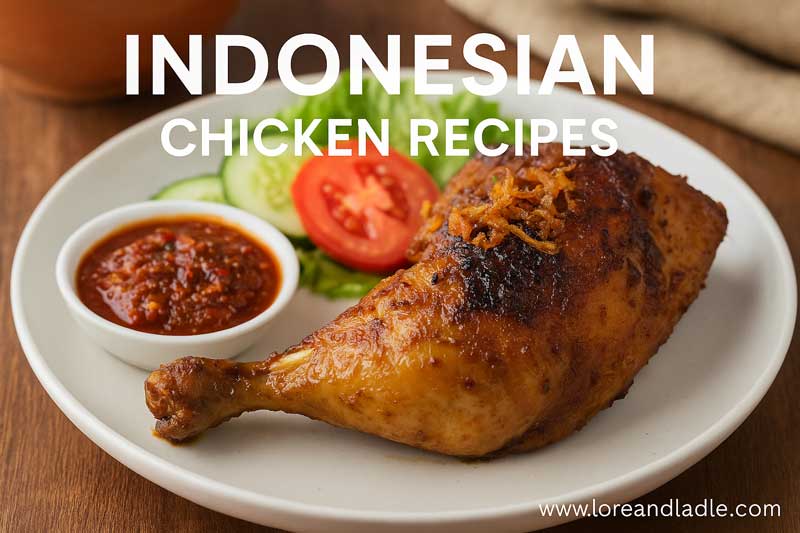
Chicken is a familiar, versatile partner in nasi goreng. It adds gentle protein and a satisfying bite, pairing well with the sweet soy glaze and aromatic aromatics. A simple stir-fry of chicken with garlic and shallots introduces depth, while a touch of soy or fish sauce deepens the umami. The chicken can be prepared in small pieces or shredded, offering texture that contrasts with the tender rice. This focus on a reliable, approachable protein makes nasi goreng a comforting option for home cooks and a dependable crowd-pleaser for gatherings.
Regional Expressions and Local Flair
Nasi goreng travels well through Indonesia, picking up local character along the way. In Java, the dish often features fragrant garlic, shallots, and a kiss of sweet soy. In other regions, you may encounter different spice blends, fried aromatics, or added regional ingredients that reflect local gardens and markets. Common accompaniments—slices of cucumber, fried shallots, and crispy crackers—bring freshness and crunch, while a sunny fried egg on top transforms a quick meal into a satisfying plate. The dish adapts to seasonality and taste, yet it remains recognizably nasi goreng in every region.
Plating, Aroma, and Social Moments
The presentation of nasi goreng is a quiet ceremony. A neat bed of rice, a glossy coating of sauce, a bright green cucumber slice, a shower of fried shallots, and perhaps a crisp cracker or a wedge of lime create a colorful, inviting plate. The moment of serving—steam rising, the first bite, the shared smile—embeds the dish in daily life as more than food. It becomes a small ritual that marks care for family, friends, and guests. The fragrance alone can evoke memory and anticipation, making the meal feel like a celebration of everyday life.
Quick Guide: Easy Home Nasi Goreng
- Start with cold, day-old rice for the best texture.
- Heat a wok or wide skillet until very hot.
- Sauté garlic and shallots until fragrant, then add diced chicken.
- Cook the chicken through and keep it juicy.
- Push the ingredients to the side and crack an egg in the center, scrambling lightly.
- Add rice and stir-fry, breaking up any clumps.
- Season with kecap manis (sweet soy), salt, and a pinch of pepper; toss to coat evenly.
- Finish with a squeeze of lime and chopped scallions if you like.
- Serve with cucumber slices, fried shallots, and optional krupuk for crunch.
- Adjust heat with chili to taste, and enjoy the vibrant, comforting flavors.
A Cultural Practice of Hospitality
Nasi goreng is more than a recipe; it is a practice of hospitality. Sharing a plate of fried rice signals welcome and care. It invites conversation, stories, and the pleasure of savoring a meal together. The dish adapts to the moment—whether a quick weeknight supper, a spontaneous gathering, or a post-work treat—yet it never loses its sense of warmth. This makes nasi goreng a beloved thread in the fabric of Indonesian food culture.
Final Thought: The Beauty of Everyday Indonesian Cooking
This dish embodies the beauty of Indonesian home cooking: simple ingredients, thoughtful technique, and a generous spirit. Nasi goreng at Home offers a bridge to regional flavors and family memories, all wrapped in a single wok. Its culinary significance lies in its versatility, its respect for texture and aroma, and its power to turn everyday meals into moments of connection. By making nasi goreng, you participate in a living tradition that celebrates flavor, balance, and hospitality—one delicious, unpretentious plate at a time.