
Introduction: Easy Nasi Lemak at Home With Ingredients From Any U.S. Grocery Store
Welcome to a warm, inviting look at Easy Nasi Lemak at Home With Ingredients From Any U.S. Grocery Store. This dish carries a gentle, fragrant soul that celebrates everyday cooking with care. It shows how a beloved Southeast Asian favorite can translate into a simple, joyful home meal. The goal here is clarity and accessibility, so you can savor authentic flavors without stepping far from your local grocery aisles. In short, this dish blends aromatic rice, a bold sambal, and comforting sides into a single, memorable plate.
The Heart of Nasi Lemak: Coconut Rice, Aromatics, and Balance
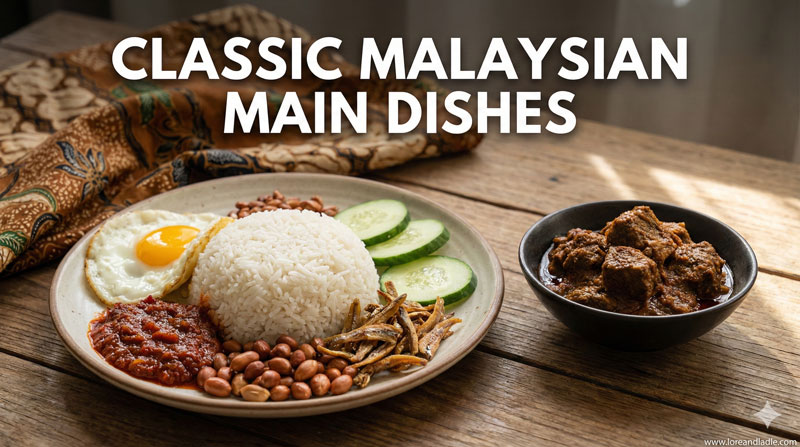
At the center sits coconut rice, a creamy foundation that carries the fragrance of the region. The rice is cooked with coconut milk and a pinch of salt, yielding a texture that is both fluffy and lush. If you have pandan leaves or pandan extract, add a light strip or a few drops to deepen the aroma; if not, the richness of coconut milk still shines. This perfume of sweet coconut, along with a hint of garlic or shallot, creates an inviting note that greets the palate before the rest of the plate.
The execution matters, but the technique is simple. Rinse the rice, then simmer it with coconut milk and water to the right balance. Let it rest briefly after cooking so the grains set softly. The result is rice that feels comforting yet bright, ready to partner with sharper flavors on the side.
The Sauce and Sides: Sambal, Eggs, and Crunch
The sambal is the spark that lifts the entire dish. Use a fresh chili paste such as sambal oelek or chili garlic sauce, then brighten it with a touch of sugar, a splash of lime juice, and a whisper of salt. If you enjoy a deeper marine note, add a tiny amount of fish sauce or a pinch of belacan (shrimp paste) if available. This creates a lively, glossy sauce that coats the rice and invites a second bite.
Accompaniments bring texture and balance. A fried egg, sunny-side up, offers a mellow, creamy contrast to the heat of the sambal. Crunch comes from cucumber slices and, optionally, roasted peanuts or fried shallots. For a more traditional touch, you can include small amounts of dried ikan bilis (crisp fried anchovies). If you prefer a vegetarian route, crispy shallots and peanuts provide satisfying crunch without overwhelming the plate.
Making It Accessible: Home Kitchen Tips for US Grocery Stores
This dish shines because it translates well to ingredients found in most U.S. grocery stores. For the rice, you can use regular long-grain or jasmine rice and simply cook it with coconut milk instead of water alone. If pandan is hard to locate, rely on the coconut aroma and a hint of lime zest to keep the fragrance lively. Sambal options are versatile: pick a brand you enjoy, and adjust heat with a splash of lime and a touch of sugar to taste.
Other convenience steps help: fry the eggs fresh just before serving, slice the cucumber thinly, and have the sambal warmed but not boiling. If you want extra creaminess, you can stir a tiny bit of coconut milk into the rice just before serving. Finally, plate with care to create an inviting, balanced presentation that highlights color and texture.
Flavor Harmony: Texture, Heat, and Aroma
A successful nasi lemak plate harmonizes several sensations. The rice delivers a soft, creamy backdrop; the sambal provides bright heat and tang; and the sides add cool, crisp, or crunchy notes. This balance makes each bite feel complete. The fragrance—coconut, chili, and a touch of citrus—lures you toward the table and invites sharing. The result is a dish that tastes comforting yet lively, familiar yet distinct.
Cultural Value: Everyday Beauty and Shared Eating
Nasi Lemak holds a special place as a beloved everyday meal. It is a dish that many families prepare for weekend breakfasts, relaxed dinners, or potluck-style gatherings. Its success rests on simplicity: a handful of ingredients that come together with patience and attention. The beauty lies not only in flavor but in the ritual of assembling each element with care. When served, the dish invites conversation, appreciation, and a sense of belonging around the table.
In many kitchens, nasi lemak becomes a small celebration—the kind of meal that marks a moment of pause in a busy day. It is a dish that travels well in memory, too, carrying the warmth of home cooking across miles and time. The cultural value here is about gratitude for ingredients, craft, and the pleasure of sharing a thoughtfully prepared plate with others.
Practical Tips for Shopping and Cooking
- Start with coconut milk quality: a full-fat can yields richer rice.
- If pandan is missing, rely on coconut aroma plus a touch of zest from lime or lemon.
- For sambal, choose a chili paste you enjoy; adjust heat with sugar and lime juice.
- Use eggs, cucumber, and shallots or fried onions to add texture and color.
- If you miss ikan bilis, crispy shallots or peanuts still give a satisfying crunch.
Conclusion: The Simple Joy of Home-Cooked Flavor
In the end, Easy Nasi Lemak at Home With Ingredients From Any U.S. Grocery Store is more than a recipe. It is an invitation to slow down and savor a quintessential flavor profile from a vibrant food culture. With thoughtful choices, you can craft a plate that glows with aroma, balance, and heart. This dish demonstrates how cooking at home can capture the beauty of tradition while remaining accessible and welcoming. Enjoy the way the ingredients come together, and let the meal become a family favorite that you can share with warmth and pride.