
Simple Pan-Fried Leftover Khinkali: You Can Cook in Any U.S. Kitchen
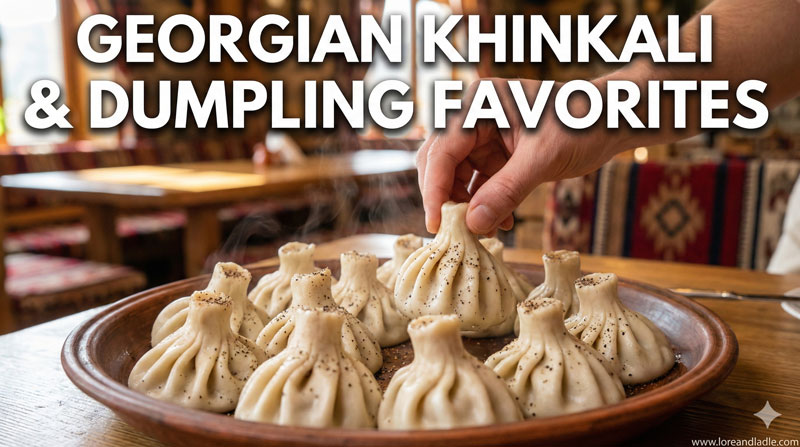
This dish celebrates transformation. Khinkali are sturdy Georgian dumplings known for their folds and juicy filling. In this version, leftovers become a new hero. The pan-fried crust adds depth, while the center stays tender and flavorful. It is easy to pull off in any U.S. kitchen, with familiar tools and ingredients. The result feels both comforting and adventurous, a reminder that every kitchen can host a small, meaningful culinary ritual.
A Dish That Honors Hospitality and Craft
Food is a language of welcome. Khinkali are often shared in groups, each person contributing a folding crease and a quiet moment of care. Making pan-fried leftovers continues that tradition. The act of shaping, seasoning, and browning becomes a small ceremony before a shared meal. This dish invites people to gather, talk, and savor. It rewards patience and attention, yet remains approachable for cooks of all levels. In every bite, you sense warmth, skill, and generosity.
Culinary Significance in Georgian Cuisine
Georgian cooking highlights balance: fresh herbs, bright aromatics, and robust meat flavors. Khinkali embody that balance with a simple dough, a savory filling, and a fragrant blend of seasonings. The folds on top are a signature feature, signaling care and technique. When you pan-fry the dumplings, you marry two textures: a crisp edge and a juicy interior. This contrast is a testament to how technique shapes flavor. Leftovers become a canvas for the cook’s intuition, turning plain ingredients into something bright and memorable. The method also showcases practical, everyday cooking that honors tradition while inviting personal touch.
From Georgia to Your Stove: Adaptation in American Kitchens
This dish travels well into any American kitchen. A sturdy skillet or cast-iron pan works beautifully. A small splash of oil heats until shimmering, then the khinkali meet the pan with a satisfying sizzle. The goal is a golden bottom and a gentle steam to finish the inside. Filling ideas can vary: beef, pork, lamb, or even mushrooms for a vegetarian option. Herbs such as parsley, cilantro, or dill lift the flavor, along with garlic and pepper. The key is balance: keep the filling moist, season thoughtfully, and respect the dumplings’ structure. The adaptability of this dish makes it a versatile centerpiece for weeknights, gatherings, or weekend experiments.
Serving, Pairing, and Everyday Joy
Serve the pan-fried khinkali hot and crisp. A light yogurt sauce or a peppery dip complements the richness nicely. A squeeze of lemon adds brightness, while fresh herbs offer freshness. Pair with a simple salad or a crisp white wine, if you like. The dish invites a relaxed tempo: plate, share, and linger at the table. The aroma, the crackle, and the tender bite together create a small celebration of Home Cooking. In this way, the dish becomes more than a meal—it becomes a moment of connection and delight.
A Gentle Invitation to Cook and Share
This recipe invites you to honor tradition while embracing everyday creativity. It encourages mindful use of ingredients and the joy of repurposing leftovers. Try it with your favorite fillings, or adapt it to what’s on hand. Share the dish with neighbors or friends, and notice how it opens conversation and smiles. In every kitchen, this simple pan-fried khinkali can become a bridge between memory and new taste experiences, a quiet celebration of the beauty found in everyday cooking.