
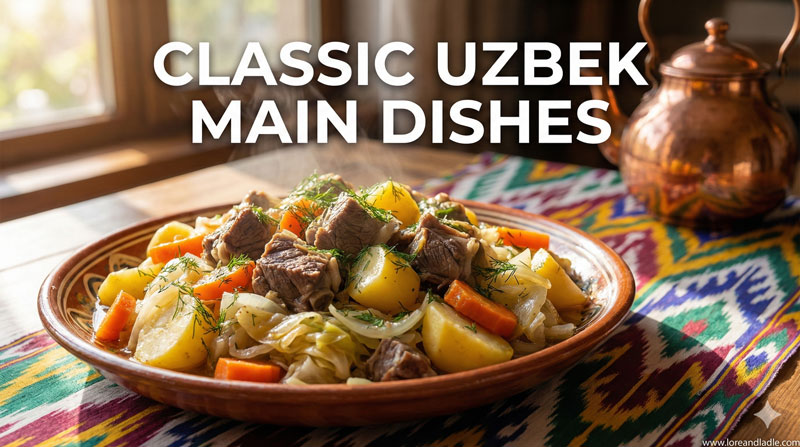
Easy Homemade Halva – Classic Uzbekistani Main Dishes Flavor You’ll Love
Halva holds a special place in Uzbek kitchens. This version is labeled easy for Home Cooks, yet it carries a quiet depth that comes from generations of shared kitchen time. The dish blends gentle sweetness with comforting textures, and its aroma invites conversation around the table.
A Window into Uzbek Flavor Traditions
Uzbek cuisine values balance and warmth. Halva showcases how simple ingredients can become comforting, memorable food. The process encourages patience and attention, turning routine cooking into a small ritual. In households across Uzbekistan, the aroma of toasted semolina and fragrant butter signals a moment of care. The result is a treat that feels both familiar and celebratory, perfect for tea breaks, family visits, and everyday meals alike.
Culinary Significance and Hospitality
Halva is more than a dessert in Uzbek culture; it is an expression of hospitality. Sharing a portion after a meal or during a friendly call instantly communicates welcome and generosity. Its sweetness complements savory dishes, yet its mild, nutty character remains approachable for all ages. The dish invites guests to linger, to chat, and to enjoy a quiet moment together. In this way, Easy Homemade Halva becomes a small ambassador for warmth, refinement, and shared pleasure at the table.
Core Ingredients and Cultural Meaning
The essence of Uzbek halva lies in a few key ingredients. Semolina provides a gentle grain texture that feels hearty and comforting. Butter or ghee adds richness and a toasty note. A simple syrup or milk brings sweetness and moisture that bind the dish. Cardamom offers a subtle floral spice, while chopped nuts—such as almonds or pistachios—give welcome crunch and elegance. Dried fruits can appear as colorful accents. Each element carries a sense of home and craft: the grain speaks of steady work, the fat speaks of generosity, and the spice echoes careful tuning to taste. Together, they tell a story of daily life elevated through simple technique.
Regional Variations and Texture Palette
Across Uzbekistan, small differences flavor the same idea. In some regions, the halva is silkier, more uniform, with a smooth sheen. In others, it reveals a few nut pieces for texture. The choice of nuts, the level of sweetness, and the warmth of the spices all reflect local preferences and family memories. These nuances celebrate diversity within a shared culinary heritage, inviting cooks to honor their own family scripts while enjoying a broader Uzbek flavor canvas.
Serving Traditions and Moments of Connection
Halva is often served in modest portions on small plates, paired with a pot of strong tea or a glass of milk. It can be enjoyed warm or at room temperature, allowing flavors to mingle with the senses. Presenting halva with care—cut into neat pieces, arranged with a sprinkle of nuts or a drizzle of honey—adds a touch of ceremony to everyday life. This gentle ritual strengthens bonds, turning a simple treat into a moment of calm, conversation, and shared appreciation.
Keeping the Craft Alive in Modern Kitchens
Today, Easy Homemade Halva fits neatly into busy lives without losing its charm. Home cooks can embrace the dish as a bridge between traditional technique and contemporary taste. A quick roast of semolina, a straightforward syrup, and a handful of toppings let families create a comforting link to their culinary roots. In doing so, the dish remains a living part of Uzbek food culture—easy to Make, yet rich in meaning and memory.