
Introduction
Easy Homemade Samsa – Uzbekistani Dumplings & Noodle Plates Flavor You’ll Love invites you into a world where simple dough and savory filling tell a story of home, hospitality, and craft. This dish holds a cherished place in Uzbek cuisine, linking family memories with everyday meals. In this post, you’ll discover the cultural value and culinary significance of samsa, and how its flavors celebrate the warmth of shared tables. You’ll also find Ideas for enjoying samsa alongside noodle dishes that are beloved in the region. The tone is respectful and inviting, because these dumplings are more than food—they are a small windowsill of tradition placed on your plate.
What is Samsa?
Samsa is a baked pastry filled with meat and onions, wrapped in a delicate crust. The dough is often simple, made from flour, water, and a touch of oil, folded around a hearty filling. Many homes shape samsa into triangles or half-moons, then seal the edges with care. The meat can be beef or lamb, cut fine and seasoned with cumin, black pepper, and coriander. Some cooks finish with sesame seeds on top for a subtle nutty note. In Uzbekistan, samsa is commonly baked in a tandir, a clay oven, though home ovens work beautifully too. The result is a crisp crust that yields to a fragrant, juicy interior. Each bite blends warmth, texture, and a comforting savor that speaks of daily life and festive meals alike.
A Window Into Uzbek Home Cooking
Uzbek cuisine values balance, rhythm, and hospitality. Samsa sits at this center as a versatile dish. It appears at family breakfasts, weekend gatherings, and during markets where vendors pop samosas and samsa onto trays for quick bites. The bread-like crust and savory filling mirror the Uzbek love of hearty, kernels-and-powers flavors that sustain long conversations over tea. Preparing samsa together strengthens family ties, as one person rolls dough, another chops onions, and someone else shapes the triangles with practiced ease. This process teaches patience and pride in craft, two hallmarks of Uzbek Home Cooking. In short, samsa is more than nourishment; it is a communal ritual that invites sharing, conversation, and connection.
The Flavor Profile and Ingredients
The heart of samsa lies in its filling and its crust. The filling blends minced meat with finely chopped onions, herbs, and spices. Cumin stands out, giving a warm, earthy aroma, while black pepper and coriander add gentle depth. Some cooks weave dill or parsley into the mix for fresh brightness. The crust is thin yet sturdy, allowing a crisp bite when baked. A touch of oil in the dough adds sheen and tenderness. Sesame seeds on top are a subtle flourish, catching the light and adding a nutty finish. When served warm, the filling’s juices mingle with the soft crust for a satisfying contrast. When paired with a light noodle plate like lagman, the textures and flavors resonate in a balanced, comforting way.
Techniques and Craft: How Samsa Is Made
Crafting samsa is a lesson in patience and precision. Start with a smooth dough and give it a light rest to relax the gluten. Roll the dough thin, then cut into triangular pieces. Mix minced meat with onions and spices, keeping the filling moist but not soggy. Place a spoonful on each dough triangle, fold the edges carefully, and seal with a firm pinch. The top can be brushed with a little oil or water to help it bake to a glossy finish. Bake in a hot oven, ideally in a tandir when possible, until the crust is crisp and lightly golden. The finishing touch is a gentle cool as the aroma fills the room. This sequence is a quiet routine that echoes centuries of culinary practice and the joy of making something with your hands.
Samsa and Noodle Pairings: A Harmonious Match
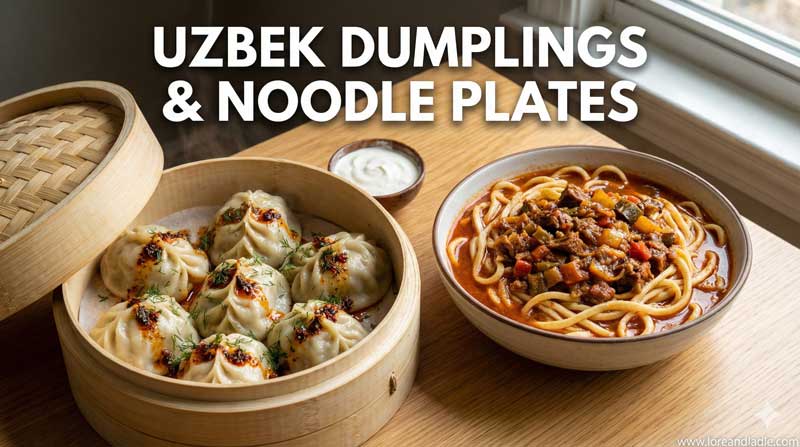
Noodle plates, especially lagman with its hand-pulled strands, share a philosophy with samsa: both celebrate texture, aroma, and comfort. A plate of warm samsa pairs beautifully with a bowl of noodle soup or lagman, where broth and vegetables mingle with slender noodles. The crisp pastry contrasts with the soft noodles, while the spices in the samsa carry through to the finish of the meal. Together, they form a complete, satisfying dining experience that honors both the dumpling tradition and the art of slow-simmered noodle dishes. This pairing highlights the versatility of Uzbek flavors and the way two different culinary forms can complement each other on the same table.
Social Significance: Sharing and Family Flavor
In Uzbek culture, food is a bridge between people. Samsa reinforces this bridge by inviting shared effort and shared meals. Families often take pride in a batch of samsa baked for the day, then offered to neighbors, guests, or travelers who pass by. The act of sharing builds trust and warmth, turning a simple dish into a memory in motion. The practice of patiently assembling triangles, feeding the dough with scent and care, mirrors the way Uzbek communities care for one another. Samsa thus becomes a symbol of hospitality, generosity, and the beauty of everyday life expressed through cooking.
Simple Steps for Home Cooks: Easy Homemade Samsa
You can enjoy Easy Homemade Samsa without difficulty. First, prepare a smooth dough with flour, water, a pinch of salt, and a small amount of oil. Let it rest briefly. Next, mix minced meat with finely chopped onions, cumin, pepper, and a splash of salt. Roll the dough thin, cut into triangles, and place the filling on each piece. Seal the edges firmly, then place the triangles on a baking sheet. Brush lightly with oil and bake in a hot oven until the crust is crisp and golden. Finally, let them cool slightly before serving. Pair with a simple cucumber yogurt salad or a light tea for a complete experience. The process is forgiving and rewards patience with a savor that feels genuinely traditional.
What to Serve and Enjoy: Completing the Meal
Samsa shines on its own, yet it also fits into a larger banquet. Serve hot with fresh herbs on the side for brightness. A simple dairy-based sauce or yogurt can provide a gentle tang to balance the meatiness. If you enjoy noodles, a small portion of lagman or another hand-pulled noodle dish can accompany samsa for a heartier meal. Herbs, light salads, and a warm beverage complete the scene. In every plate, you’ll taste the care of home cooking and the generous spirit of Uzbek food culture.
Conclusion
Easy Homemade Samsa is more than a tasty dish. It is a window into Uzbek culinary heritage, a testament to home-based skill, and a symbol of hospitality. The crust, filling, and aroma tell a story of family, tradition, and shared meals. Whether you savor samsa as a quick bite or as part of a larger noodle-focused feast, you’ll feel the cultural value and culinary significance in every bite. Embrace the practice, celebrate the flavor, and enjoy the comforting artistry of samsa at your table.