
Easy Weeknight Pupusas: A Warm Welcome
Welcome to a dish that shines in busy homes: Easy Weeknight classic cheese and bean pupusas for Busy Families. This meal blends comfort with craft, quickness with care. It invites everyone to gather around the stove, savor a traditional flavor, and share a moment of calm in a busy week. The dish celebrates everyday cooking as a small ceremony of nourishment and joy.
In these pages, you’ll discover how cheese and bean pupusas fit naturally into a weeknight routine. You’ll also see how the dish carries cultural value through simple techniques, time-honored textures, and the everyday rituals of family meals. The goal is a meal that respects tradition while making room for modern schedules. You’ll taste that balance in every bite.
The Core of the Dish: Masa, Cheese, and Beans
At the heart of every pupusa is masa—the dough that carries flavor and holds its shape. For this dish, masa harina is mixed with water until it forms a supple, not sticky, ball. The texture should feel like soft clay you can mold easily. Small portions become the shells that cradle the filling.
The filling merges two gentle favorites: cheese and beans. Shredded or crumbled cheese lends a creamy melt, while refried beans add earthiness and depth. The cheese keep becomes a binding, so the pupusa holds together as it cooks. When you bite into it, you taste the smooth cheese, the silky bean center, and the faint corn sweetness from the masa. Together, they create a comforting balance that suits weeknight cooking and family sharing.
What makes this combination special is not only flavor. It offers a practical beauty: a simple, reliable filling that cooks evenly and satisfies many palates. The cheese melts into a soft core, while the beans provide a gentle contrast. The result is a pupusa that feels familiar, inviting, and easy to love first bite.
The Craft: Making and Shaping Pupusas
Begin with warm, lightly seasoned masa. Hand-pressure is your ally here. Roll each portion between your palms to form a tidy disk. Place a spoonful of cheese and bean filling in the center, then fold the dough over to seal. A gentle press grounds the edges, and a careful pat smooths the surface into a flat, round shape. The seal should be firm but not tight; you want even cooking and a pleasing outer crust.
Next, heat a seasoned skillet or comal over medium heat. A light brush of oil keeps the surface from sticking and adds a subtle sheen. Lay the pupusas down and let them cook until the undersides gain a golden hue. Flip once, and cook until the other side is crisp and the filling glows with warmth. The total time is short, yet the technique is thoughtful—enough to elevate a weeknight without demanding hours at the stove.
If you like a crisper texture, a quick finish on a hot, dry griddle gives a gentle crackle that adds character to each bite. And if you’re cooking for little helpers, you can adjust the size to smaller rounds. The basic method stays the same, making this a forgiving dish that suits varying tastes and ages.
The Flavor Journey: From Filling to Finish
The flavor arc is simple and satisfying. The masa carries a delicate corn sweetness, a reminder of sunlit fields. The cheese offers a creamy, salty note that melts into the heart of the pupusa. The beans add earthiness and a soft, hearty texture. When the pupusa meets the pan, it develops a thin crust that contrasts with the tender interior. That contrast is part of what makes the dish so welcoming.
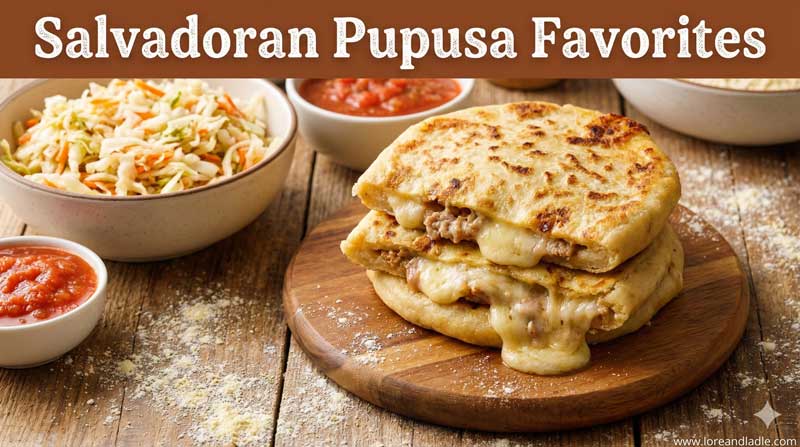
Around the plate, tiny flavor bursts emerge when you add a bright accompaniment. A fresh curtido (pickled cabbage relish) gives tang and crunch, while a mellow salsa or a smooth chile sauce adds warmth. The combination is approachable for busy families yet rich enough to feel ceremonial. Each bite becomes a small, comforting lesson in balance—soft core, crisp edge, and a chorus of mild, friendly flavors.
A Cultural Thread: Family, Food, and Everyday Life
This pupusa holds a place in daily life that goes beyond taste. In many homes, it arrives as a reliable weekday star—simple to prepare, deeply satisfying, and easy to share. The rhythm of rolling dough, filling with cheese and beans, and cooking on a hot pan mirrors care that families bring to mealtime. It becomes a signal that dinner is ready to be enjoyed together.
Culturally, pupusas celebrate technique passed down in kitchens and around tables. The simple method invites participation: kids can pinch edges, siblings can share the filling, and parents can supervise the shaping with a steady, calm presence. This shared activity strengthens family bonds and builds a sense of belonging around a meal. The dish thus becomes a gentle thread weaving daily life with tradition, without requiring complex steps or rare ingredients.
The appeal also rests in versatility. While cheese and bean pupusas are the classic duo, the same approach welcomes a variety of fillings, all grounded in the same masa craft. This adaptability makes the dish a familiar scaffold for cooks who want to honor tradition while accommodating personal preferences or dietary needs. In this way, the dish resonates across generations, turning ordinary weeknights into moments of care and connection.
Quick Tips for Busy Families
- Plan ahead in small steps. Mix the masa and set it aside for a few minutes before shaping. A little rest helps the dough become more pliable.
- Prep fillings in advance. Shredded cheese and mashed beans can be stored separately in the fridge, ready to combine when you’re ready to cook.
- Make a batch and freeze. Shape pupusas and freeze them on a tray, then transfer to a bag. Cook from frozen, adding a few minutes to the pan time.
- Involve the family. Let kids press edges and help with folding. It teaches patience and care while keeping mealtime joyful.
- Keep it simple with toppings. A touch of butter, a sprinkle of salt, and a spoon of curtido or a mild salsa can elevate the dish without complicating steps.
Part of a Shared Table: With Curtido and Salsa
Accompaniments enrich the pupusa experience. Curtido brings brightness with cabbage, vinegar, and a hint of heat. It’s a crunchy, tangy counterpoint that lifts the milder flavors inside the pupusa. A simple tomato salsa or a gentle chile sauce provides a warm finish that invites another bite.
These pairings demonstrate how a humble dish becomes a bridge between flavors and textures. They show how a family can build a meal around a core, then invite different culinary voices to share the table. The result is not just nourishment; it is a ritual of togetherness that honors everyday life and the joy of cooking.
Conclusion: Honoring a Simple, Beloved Dish
Easy Weeknight classic cheese and bean pupusas for Busy Families celebrates the beauty of a straightforward, well-made meal. It honors the skill of masa work, the comfort of familiar fillings, and the joy of sharing hot food with loved ones. The dish reminds us that culinary value can be found in routine, patience, and care—the quiet artistry of turning simple ingredients into something comforting and memorable.
If you seek a dish that speaks to home, family, and food culture, this pupusa is a welcoming choice. It invites you to slow down just enough to savor a warm bite, to notice the textures and balance, and to feel connected to a tradition that thrives in everyday life. Enjoy the process, share the plate, and celebrate a staple that remains steady and true in the rhythm of busy days.