
Introduction
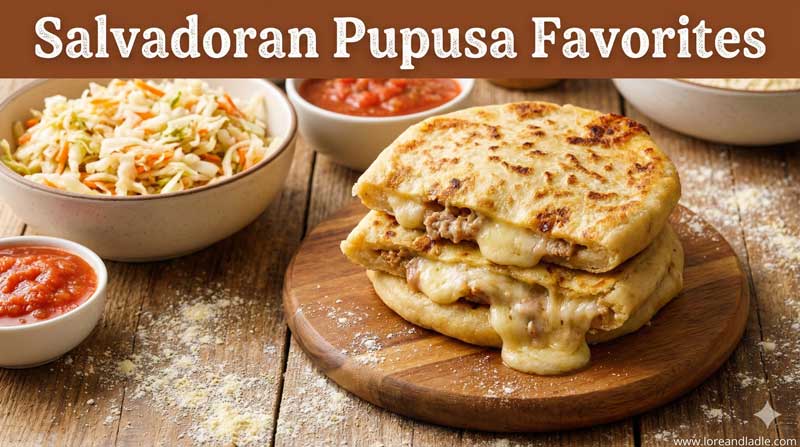
Easy Weeknight pupusas revueltas with pork, beans and cheese for Busy Families invites you into a beloved corners of Central American cooking. This dish blends warmth, texture, and everyday practicality into a single, satisfying bite. Pupusas are more than a meal; they are a symbol of home kitchen craft and shared meals. The revueltas variation brings together pork, beans, and cheese in a harmonious filling that shines in both flavor and simplicity. For busy families, this version offers a welcoming route to a comforting, culturally rich dinner that can come together with calm and care.
What makes pupusas revueltas special
Pupusas are a cornerstone of Salvadoran cuisine, shaped by corn masa and patient technique. The term revueltas signals a mix—the fillings are blended or layered in a way that delivers a chorus of savory notes in each bite. When pork adds a smoky depth, beans contribute creaminess and body, and cheese provides a mild, melty counterpoint, the result is a balanced, comforting bite. The magic lies in how these elements harmonize inside a soft, warm masa disk. The dish invites a mindful pace at home, even on a busy night, because every element can be prepared in advance and assembled with care just before serving.
The role of masa and filling in the cultural palate
Masa harina is the soul of the pupusa. It embodies a tradition of corn that runs through many kitchens and markets. The dough’s flexibility makes room for a gentle hand in shaping, a quiet patience as the discs rest, and a steady rhythm as they cook. The fillings—pork, beans, and cheese in this revuelta version—echo everyday pantry staples turned into a feast. The result is familiar, comforting, and deeply satisfying. This dish also reflects how a culture blends multiple textures: the soft, chewy masa; the tender pork; the creamy beans; and the melt of cheese. Together, they offer a lyrical balance that many families return to again and again.
Simple, weeknight-friendly preparation
Although deeply traditional in spirit, these pupusas are designed for weeknights. The approach respects time without sacrificing soul. You can prepare components in steps or even ahead of time and then assemble and cook quickly. The dough is forgiving, the fillings can be prepped in bulk, and the final cook on a hot surface gives a crisp-edged exterior with a tender center. The result is a warm, inviting plate that feels special without demanding hours in the kitchen. This is the beauty of a dish that honors heritage while fitting into modern family life.
How to think about the ingredients
- Masa harina: the base for the soft, sturdy shell. Combine with water and a touch of salt to form a pliable dough.
- Pork: cooked and finely chopped or shredded for even distribution.
- Beans: refried or mashed beans add creaminess and body to the filling.
- Cheese: a mild, melt-prone cheese such as queso fresco, quesillo, or a gentle mozzarella blend to keep the flavor approachable.
- Optional accompaniments: curtido (a tangy cabbage slaw), a bright salsa, and lime wedges brighten the plate and echo the dish’s fresh notes.
A simple path to weeknight success
For busy families, small planning steps make a big difference. Prepare the dough and fillings earlier in the day or the night before. Shape and refrigerate the discs, then cook them when time allows. The pupusas keep well in the fridge for a day or two and can be reheated on a griddle or skillet. This flexible flow keeps the cooking calm, the flavors vibrant, and the table ready for conversation and shared bites.
Cultural value and culinary significance
Pupusas revueltas carry a clear sense of community and daily life. They appear in homes, markets, and gatherings, where warm masa shells cradle fillings chosen from household staples. The act of making pupusas is often a family affair, with hands of different ages working together—kneading dough, shaping discs, and watching them cook. The result is more than nourishment; it is a ritual of care and connection. Each bite carries the memory of generations that leaned into corn’s generosity and translated it into something that could be shared widely.
The accompanying curtido and salsa are not afterthoughts but integral companions. Curried cabbage, vinegar, and spice bring brightness that cuts through the richness of the cheese and pork. This balance of flavors and textures reflects a culinary philosophy that values contrast: soft and crisp, warm and bright, savory and tangy. In this light, the dish becomes a canvas for Family memory, a way to celebrate ordinary days by elevating simple ingredients.
The dish also reinforces a culinary identity rooted in freshness and technique. The masa’s tenderness relies on careful hydration and handling; the filling’s savor comes from well-seasoned pork, well-creed beans, and well-melted cheese. The outer crust offers a gentle crackle, while the inside remains lush and cozy. This contrast is not merely culinary; it mirrors the balance many families seek in daily life: a routine that sustains, nourishes, and still feels like a celebration.
The social flavor of pupusas
Serving pupusas revueltas is an invitation to slow, meaningful eating. When they come hot off the griddle, they invite a moment of sharing—one disc, many hands, and a table that holds conversation as much as food. The dish’s social warmth is amplified by easy serving: lay out curtido, salsa, and lime; set a bowl of hot pupusas in the center; let everyone craft their plate. This communal style reinforces connections and makes supper feel like a small, daily festival of togetherness.
Pairings and tasting notes
- Curtido: its tang and crunch lift the richness of the pork and cheese.
- Salsa roja or a simple tomato salsa: adds brightness and slight heat.
- Lime wedges: a quick zing that brightens flavors.
- Plantains or avocado: optional sides that bring additional texture and richness.
In terms of flavor, the revuelta filling should strike a gentle balance. The pork provides a smoky savor, the beans contribute a creamy earthiness, and the cheese adds a mild, melty counterpoint. The masa brings warmth and a comforting chew. Together, they tell a story of everyday abundance and careful cooking.
Tips for tenderness and texture
- Hydrate the masa properly. The right water amount helps the dough stay pliable.
- Keep the fillings cool and not too wet. Excess moisture can make the dough soggy.
- Press gently when shaping to avoid tearing. A light touch preserves the soft interior.
- Cook on a hot, dry surface. A lightly oiled pan can help prevent sticking if your pan is not nonstick.
A note on tradition and adaptability
This dish honors a culinary tradition while inviting personal adaptation. If you lack a traditional cheese variety, a mild shredded cheese or a blend will work well. If you prefer a leaner filling, reduce the pork slightly and let the beans and cheese carry more of the texture. The core idea remains: a warm masa shell, a savory mix inside, and a moment of sharing at the table. The adaptability makes it accessible to many households, keeping the spirit of the dish alive across kitchens and weeknights.
Making the most of leftovers
Leftover pupusas can be a helpful ally on busy days. Reheat gently on a dry pan to restore some crispness. Store any curtido separately for freshness. This practice preserves texture and bright flavor, turning a family favorite into a dependable staple for future meals.
Final reflections
Easy Weeknight pupusas revueltas with pork, beans and cheese for Busy Families embodies the joy of cooking with heart. It honors the craft of masa dough, the warmth of a well-combined filling, and the delight of sharing food at the table. The dish celebrates a culture where simple ingredients are transformed through care, patience, and communal enjoyment. In every bite, there is a note of home, a hint of tradition, and a sense of belonging that turns a weekday supper into something memorable. Embrace the process, savor the flavors, and welcome the table with a smile.