
Introduction
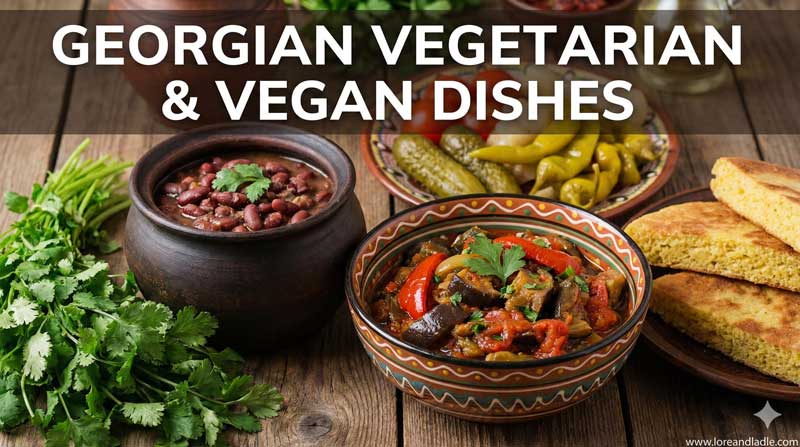
Better-Than-Takeout eggplant and walnut pkhali You Can Try Tonight is more than a dish. It is a window into a warm, sharing culture. The combination of smoky eggplant, creamy walnut paste, and bright herbs feels inviting from the first bite. This dish invites conversations, laughter, and a sense of welcome at the table. In many homes, it appears as a well-loved starter or a vibrant centerpiece on a family spread. Tonight, you can bring that same sense of hospitality to your kitchen.
Cultural Roots and Significance
Georgian cuisine centers on balance, seasonality, and generosity. Pkhali, literally a paste or paté, sits at the heart of many meals. Eggplant and walnut pkhali showcases two regional treasures: the tender eggplant and the rich walnut kernels that are cherished in the Caucasus. The dish embodies the idea of turning humble ingredients into something memorable. It also reflects a culinary habit of layering flavors with fresh herbs and a gentle acidity. When people gather to share this dish, they celebrate craft, patience, and a shared table.
Core Ingredients and Craft
The recipe is built on three pillars: the eggplant, walnuts, and herbs. First, the eggplant provides a mellow, smoky base. Next, ground walnuts bring depth, creaminess, and a natural richness. Finally, chopped herbs such as parsley, cilantro, and dill lift the paste with brightness. A touch of garlic adds warmth, while a splash of lemon juice or wine vinegar brings a fresh tang. A drizzle of high-quality olive oil finishes the dish with gleam. The beauty lies in how these elements harmonize, revealing a dance between earthiness, fruitiness, and herbaceous lift.
Texture, Flavor, and Culinary Craft
Texture plays a central role. The eggplant yields a soft, silky body that contrasts with the chunky, walnut paste. When blended, the mixture becomes a cohesive paste with tiny specks of green from the herbs. The flavor profile balances smoky and nutty notes with lively garlic and citrus. This balance makes pkhali versatile: it pairs with warm bread, crisp vegetables, or a simple rice pilaf. The cooking craft invites careful attention to roasting or grilling the eggplants and to grinding the walnuts just enough to release oil without turning grainy. The result is a refined yet comforting bite that feels timeless.
Serving Traditions and Pairings
Traditionally, pkhali is served as part of a generous spread. It often appears alongside fresh herbs, sliced vegetables, and rustic bread. Garnishes like pomegranate seeds can add a pop of color and a hint of sweetness. The dish shines in casual gatherings and formal meals alike, because it invites sharing. Pair it with a glass of good wine or a clean sparkling beverage to echo its bright acidity. The presentation itself feels welcoming, encouraging guests to dip, scoop, and sample with friends and family.
Modern Interpretations While Honoring Tradition
Today, cooks around the world adapt pkhali to fit different kitchens while preserving its essence. Some add a touch of paprika for warmth, others incorporate roasted peppers for a sweeter note. A few contemporary versions blend sesame or a hint of tahini to deepen the nutty profile. Yet, each variation keeps the core idea intact: a creamy, herb-laced paste that celebrates vegetables and nuts. The dish remains a bridge between rustic home cooking and refined tasting, proving that traditional flavors can travel gracefully into modern menus.
Practical Tips for Tonight
To try this dish tonight, choose ripe, firm eggplants and fresh walnuts for the best texture. Roast or grill the eggplants until the skin blackens lightly and the flesh is tender. Let them cool, then scoop out the soft centers. Grind the walnuts just enough to release their oils, and fold in minced herbs and garlic. Add lemon juice, salt, and a splash of olive oil last. Chill briefly to let flavors meld, then serve with bread or crudités. The result is simple to prepare, yet elegant in flavor and presentation.
Closing Thoughts
Better-Than-Takeout eggplant and walnut pkhali You Can Try Tonight invites you to slow down and savor a moment of Georgian culinary artistry. Its cultural value lies in how it honors ingredients, craft, and hospitality. The dish demonstrates that comfort, beauty, and nourishment can come together on a single plate. Enjoy the process, share generously, and let every bite celebrate the beauty of traditional flavors in a modern kitchen.