
The Hook
On a sunny weekend, a Senegalese restaurant fills with steam, citrus, and the murmur of conversation. A shared table welcomes friends and families. How to Enjoy Thieboudienne (Senegalese Fish and Rice) at a Senegalese Restaurant in the U.S. becomes a small, joyful ritual: a big platter, a mound of rice, a tender fish on top, and a bright sauce circling the dish.
Diners lean in to savor the aroma. A squeeze of lemon lights the plate. The first bite blends fish, tomato, and rice in a warm harmony. The moment feels welcoming, calm, and satisfying.
Jump to Recipe
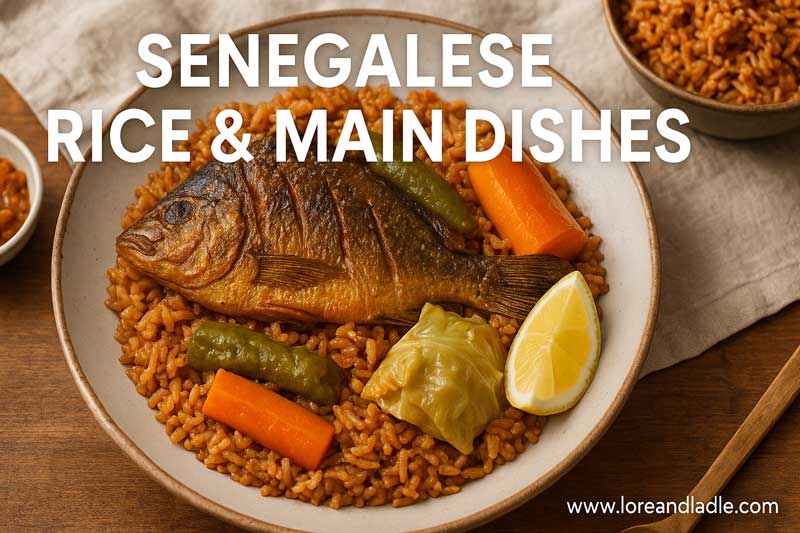
How to Enjoy Thieboudienne (Senegalese Fish and Rice) at a Senegalese Restaurant in the U.S. is typically built around balance and sharing. Expect a generous piece of fish resting on a bed of rice, with a tomato-based sauce and a chorus of vegetables around it. The dish shines in a mix of textures and colors.
Core flavors you’ll notice include bright tomato, citrus freshness, and a gentle sweetness from roasted vegetables. The fish stays tender, the rice absorbs the sauce, and the vegetables provide soft crunch. The experience often comes with a lemon wedge and a hot sauce on the side for a personal kick.
Core ideas for enjoying this dish:
– It is often served on a large platter for sharing, with the fish showcased on top of the rice.
– The sauce braises the vegetables and flavors the rice, creating a unified bowl.
– Fresh herbs and a touch of lemon lift the plate, without overpowering the fish.
– In many Senegalese restaurants in the U.S., the dish arrives as a comforting, family-style meal.
How to Enjoy Thieboudienne (Senegalese Fish and Rice) at a Senegalese Restaurant in the U.S. guides a simple approach: appreciate the harmony of the fish, the rice, and the sauce, then tailor the heat and brightness to your taste with available condiments.
The Deep Dive
Thieboudienne (Ceebu jën) is a beloved centerpiece in Senegalese kitchens and restaurants. The name means “rice with fish,” and the dish centers on a fresh, flaky fish cooked in a fragrant tomato-onion base. The rice sits nearby, soaking up the sauce and providing a soft, chewy counterpoint to the fish.
Flavors run bright and comforting at once. The tomato sauce lends tang with a hint of sweetness. Garlic, onion, and peppers add depth, while citrus or lime brightens the plate. Spices and herbs—like parsley or cilantro—offer fresh notes that lift the entire dish. The vegetables—carrot, eggplant, and sometimes okra or cabbage—bring color and texture, from tender to lightly crisp.
Texture is a key character. The fish stays delicate and moist, a gentle flake that holds together in a bite. The rice is fluffy and absorbent, soaking up the sauce in a harmonious way. The vegetables provide a satisfying bite and a soft crunch, depending on preparation. The result is a bowl that feels balanced, hearty, and bright.
In daily life, Thieboudienne is a dish of togetherness. Families gather to share the platter, pass pieces of fish, and mix bites with rice. It is a dish that travels well from kitchen to table, a bridge between home cooking and restaurant service. In the U.S., Senegalese restaurants present the tradition in a friendly, welcoming setting. Diners may order a whole platter to share or a portion sized for one, with accompaniments that highlight the dish’s freshness.
Occasions matter in its own quiet way. The dish appears at weekend meals, family gatherings, and celebratory dinners. It invites conversation as much as it invites taste, offering a moment to pause, savor, and connect over a bright, shared meal. Non-political traditions surround the dish: the habit of tasting with friends and family, the ritual of savoring the sauce with bread or a spoon, and the care shown in presenting a colorful plate. The dining scene emphasizes hospitality, balance, and simple joy.
In the U.S. context, chefs and Home Cooks adapt with care. Fresh seafood, ripe vegetables, and good stock become the canvas. The dish remains faithful to its roots while welcoming local ingredients and friendly heat levels. The result is a dish that celebrates flavor, texture, and communal dining—quietly expressive and deeply comforting.
How to Enjoy Thieboudienne (Senegalese Fish and Rice) at a Senegalese Restaurant in the U.S. stays true to its heart: a shared meal that centers on fish, rice, and a bright, tomato-rich sauce. It invites a slow, appreciative pace and a sense of place that feels both exotic and familiar.
The Recipe Card
How to Enjoy Thieboudienne (Senegalese Fish and Rice) at a Senegalese Restaurant in the U.S.
Core ingredients
– Firm white fish (such as snapper or tilapia)
– Rice
– Tomato base (fresh tomatoes or tomato paste)
– Onion and garlic
– Bell pepper or hot pepper for heat
– Carrot, eggplant, and a leafy green or cabbage (optional)
– Stock or water
– Oil (palm oil or neutral oil)
– Fresh herbs (parsley or cilantro)
– Lemon or lime for brightness
– Salt, pepper, and a touch of citrus zest or juice
High-level method
– Build a tomato-onion sauce with peppers and herbs to form a bright, savory base.
– Prepare fish with gentle seasoning, allowing it to stay tender.
– Cook rice in a flavorful broth or stock, so it soaks up the sauce.
– Arrange fish on top of the rice and spoon the sauce and vegetables around it.
– Finish with a squeeze of lemon and a light splash of hot sauce if desired.
Note: Variations exist, but the core idea remains: a tender fish, flavorful rice, and a vibrant, vegetable-rich sauce presented on a shared platter. How to Enjoy Thieboudienne (Senegalese Fish and Rice) at a Senegalese Restaurant in the U.S. highlights the dish’s beauty and balance.