
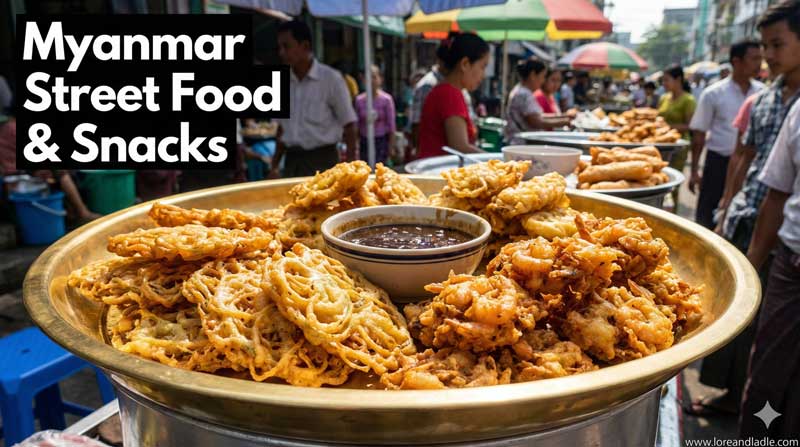
Introducing Everyday Myanmar Street Food & Snacks Ideas for U.S. Kitchens
Welcome to a flavorful stroll through Everyday Myanmar Street Food & Snacks Ideas for U.S. Kitchens. This concept centers on the beauty and craft of Myanmar’s daily bites. It invites you to savor how simple ingredients become expressive, comforting foods. The goal is to honor cultural value and culinary significance while offering practical ideas you can try at Home. The result is a joyful bridge between markets, home cooks, and shared meals.
The heartbeat of Myanmar street cuisine
Myanmar’s street food mirrors daily life in open-air markets, bustling corners, and quiet home kitchens. Vendors shape fresh flavors in minutes, using herbs, citrus, spice, and spice blends that echo the season. Each bite tells a small story of daily routines, family recipes, and neighborhood gatherings. Food becomes a language that welcomes neighbors, friends, and visitors to the table. This concept celebrates that language, highlighting how everyday snacks and noodle bowls sustain energy, comfort, and conversation throughout the day.
Core flavors, techniques, and textures
Myanmar street fare thrives on balance. Expect a dance of salty, sour, spicy, and a touch of sweetness. Key flavors include fish sauce for depth, lime or lemon for brightness, garlic and shallots for warmth, and chili for a gentle heat. Fresh herbs like cilantro and mint brighten dishes, while toasted sesame and peanuts add nutty richness. Textures vary from silky broths and tender noodles to crisp fritters and crunchy toppings. Techniques center on layering flavors, quick pickling, and careful frying to achieve crisp edges and soft interiors. This combination creates dishes that feel welcoming, homey, and vibrant at once.
Translating the experience to U.S. kitchens
This concept is designed with home cooks in the United States in mind. You can adapt with ingredients commonly found in US markets while preserving the spirit of the cuisine. Start with a simple broth base, a handful of fresh herbs, and a balance of salty, sour, and spicy elements. Use accessible substitutes when needed, such as fish sauce for depth, lime juice for brightness, and chili for warmth. You can experiment with eggs, tofu, or vegetables to echo traditional textures. The aim is to capture the essence—the comforting familiarity and lively aromas—without losing the unique character of Myanmar street food.
Signature snacks and dishes to explore
- Mohinga-inspired bowls: Create a quick, comforting noodle bowl with a lightly seasoned fish broth, rice noodles, and fresh herbs. Keep the broth clear and bright, then finish with lemon or lime, fried shallots, and cilantro. This echoes the popular morning staple in a format friendly to home kitchens.
- Lahpet Thoke-inspired snack boards: Tea leaf salad offers a tangy, crunchy, savory profile. Build a small board with shredded pickled tea leaves (or a creative substitute like finely shredded cabbage mixed with sesame seeds, peanuts, and a touch of lime), microgreens, and crisp toasts or beans for contrast.
- Crispy fritters and savory bites: Think vegetable or seafood fritters made with a light batter and a pinch of turmeric or chili. Serve with a simple dip of lime juice, fish sauce, and a touch of sugar. The result is a bright, satisfying bite that showcases texture and aroma.
- Herb-forward noodle cups: Use a quick broth, a handful of fresh herbs, and a few twists of citrus. Add noodles and vegetables for a comforting, everyday meal that feels both light and nourishing.
- Sweet coconut and sesame notes: Finish with a small dessert bite or a snack that pairs coconut milk with toasted sesame. These gentle, sweet notes provide a satisfying end or a pleasant contrast to savory dishes.
Technique highlights for faithful flavor
- Layer flavors in stages: sauté aromatics first, add the liquid base, then finish with bright herbs and a squeeze of citrus.
- Toast spices and nuts: a quick toast deepens aroma and adds warmth.
- Balance sour, salty, and sweet: place lime, fish sauce, and a touch of sugar in careful proportion to keep flavors harmonious.
- Quick pickling: a brief pickle of onions or herbs can lift a dish with crisp acidity.
- Respect texture: aim for a mix of soft noodles, silky broths, and crisp toppings to mirror street-food contrasts.
Ingredient palette and substitutions for US kitchens
- Core pantry: fish sauce, lime or lemon, garlic, shallots, fresh chili, cilantro, mint, and sesame seeds.
- Proteins: tofu, chicken, or seafood can substitute for traditional fish-forward broths.
- Greens and herbs: cilantro, Thai basil if available, or parsley as a fresh accent.
- Pickled tea leaves: if pickled tea leaves are hard to find, use finely shredded cabbage with a gentle tang from lime and a touch of miso for depth.
- Noodles and rice: rice noodles or egg noodles work well; serve with steamed rice for a heartier option.
- Sweeteners and accents: palm sugar or brown sugar can mimic traditional sweetness in balance with tartness.
- Substitutions and accessibility: salted fish paste or miso can offer a similar salty umami in some dishes; adjust salt carefully.
The cultural value of everyday food
Everyday Myanmar street food carries cultural value in the way it brings people together. Market stalls become social hubs where stories are shared, bargains are made, and smiles travel across languages. Food acts as a visible thread that links generations—from cooks passing down family techniques to neighbors discovering new flavors. The snacks and bowls in Everyday Myanmar Street Food & Snacks Ideas for U.S. Kitchens remind us that nourishment can be a social activity, a memory anchor, and a daily celebration of craft. The culinary significance lies in its ability to transform simple ingredients into comforting rituals that honor tradition while inviting experimentation in a new kitchen.
How to present these ideas respectfully and joyfully
- Start with curiosity: explore a dish’s origin by tasting and then adapting.
- Keep core balances intact: preserve the salty-sour-sweet equilibrium that defines many Myanmar flavors.
- Prioritize fresh ingredients: seasonal herbs and bright citrus elevate any dish.
- Share and gather: enjoy meals with friends and family, inviting conversation around flavors and techniques.
Final thoughts: embracing beauty in everyday bites
Everyday Myanmar Street Food & Snacks Ideas for U.S. Kitchens invites you to see a meal as more than sustenance. It is a canvas for memory, craft, and community. By focusing on cultural value and culinary significance, you can recreate the warmth of Myanmar street snacks in your own kitchen. The result is a respectful, inviting culinary practice that honors tradition while welcoming personal creativity. Try one idea at a time, listen to the flavors, and let the dishes guide you toward simple, joyful gatherings around the table.