
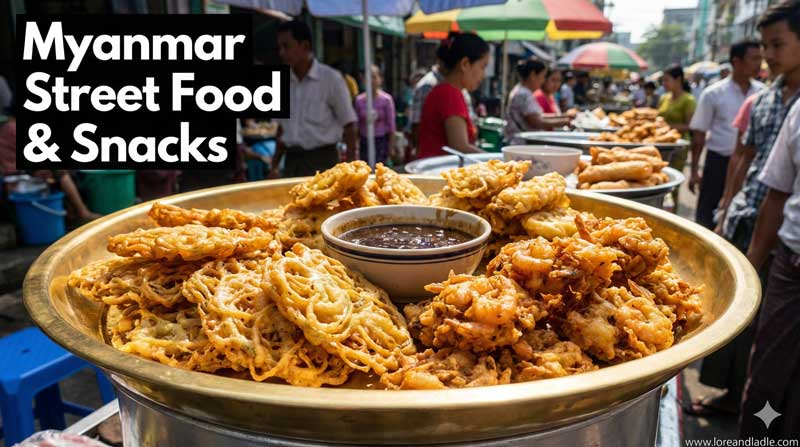
Introducing a Taste of Burma: Family-Approved Myanmar Street Food & Snacks Kids Will Also Enjoy
Myanmar’s street food scene is a living map of everyday life. The dish titled Family-Approved Myanmar Street Food & Snacks Kids Will Also Enjoy invites readers to explore that map with a family-friendly lens. It curates bite-sized delights that travel smoothly from busy carts to cozy tables. The result is a respectful celebration of Burmese culinary craft and the joy of shared meals.
Cultural Value: The Heartbeat of Burmese Markets
In Myanmar, food at the street stalls is more than sustenance. It is conversation, color, and a daily ritual. Vendors call out, families pause for a quick bite, and neighbors trade notes about the best sellers. This dish collection captures that rhythm. It puts small plates in the center of the table and invites everyone to sample, smile, and discuss flavor. Through its variety, it reflects a culture that values hospitality, proximity, and the pleasure of eating together.
Culinary Significance: Craft in Every Bite
Culinary significance here lies in balance. Burmese snacks often weave together sweet, sour, salty, and umami notes in harmonious ways. The dishes in this collection highlight techniques that Burmese cooks use with confidence: light frying to create crisp edges, gentle steaming to retain tenderness, and careful toasting to wake fragrance. The result is approachable yet layered. Each bite reveals a careful choice of texture and aroma, revealing why Burmese street food has endured as a beloved everyday treasure.
From Market to Table: A Palette of Flavors
This collection spans flavors that feel bright and comforting at once. Expect nutty sesame and toasted coconut for warmth. Expect rice and legume-based textures that offer gentle chew. Expect hints of lemongrass, garlic, and shallots that lift the palate without overpowering it. Sweet coconut treats mingle with savory fritters, while tangy notes from citrus or tamarind brighten the lineup. The overall effect is a cohesive tapestry: familiar enough for curious children, sophisticated enough to please adults.
Texture Tales: Crisp, Chewy, Silky
Texture is a central thread. Crunchy outer shells meet soft centers; delicate dumplings yield to a satisfying chew; silky batters glaze a quick-drying surface. This interplay keeps the experience engaging for kids and interesting for grown-ups alike. The balance of texture also demonstrates skill in rhythm and timing—crisp for first bite, tender for the next, with a lingering aroma that invites another round.
Family and Kids: Gentle Flavors for All Ages
A standout quality of this dish collection is its kid-friendly approach. The recipes emphasize milder spice levels, sweeter notes, and familiar ingredients. Portions are approachable, and the variety allows families to pick a few items that suit different tastes. The result is a set of snacks that families can enjoy together, turning meals into small celebrations rather than rushed moments. In this way, the dish serves as a bridge between children’s tastes and traditional Burmese flavors.
Core Ingredients: Rice, Coconut, Fish, and Legumes
Several core ingredients anchor the cuisine. Rice forms a gentle base in many snacks, offering a neutral canvas for other flavors. Coconut appears as milk, oil, and shredded bits, bringing sweetness and richness. Legumes add heartiness and subtle nuttiness, while fermented fish paste and fish sauce provide depth without overwhelming the palate. Aroma plays a starring role, with garlic, shallots, and fresh herbs lending brightness. These components together illustrate how Burmese cooks build flavor from simple, everyday staples.
Techniques: Frying, Steaming, Dry-Roasting
The culinary techniques featured are practical and expressive. Frying creates a crisp exterior that contrasts with soft interiors. Steaming preserves moisture and tenderness, letting delicate flavors shine. Dry-roasting enhances the aroma of seeds and grains, adding warmth to the plate. These methods are accessible to Home Cooks while still capturing the essence of street performance in a bustling market.
Regional Echoes: How Towns Add Their Note
Myanmar’s regions contribute subtle variations that enrich the collection. Coastal areas bring brightness from coconut milk and seafood accents. Inland towns emphasize grain favorites and deeper roasted notes. Each area adds its own touch to the lineup, resulting in a grand chorus rather than a single melody. This regional flavor enriches the dining experience and highlights the diverse culinary landscape of the country.
Serving Traditions: Tea, Nibbles, and Sharing
Serving this assortment often involves a pot of warm tea and small, shareable plates. The act of passing dishes around the table reinforces social bonds and inclusivity. A gentle aroma rises as plates are opened, inviting conversation and curiosity. This is food as ritual as well as nourishment, a simple yet meaningful practice that makes meals memorable.
Shopping and Home Prep: Bringing It Home
For home cooks, the dish offers actionable inspiration. Seek fresh, accessible ingredients such as rice flour, coconut, and sesame. Look for mild and balanced flavors to recreate the kid-friendly profile. Practice light frying first, then experiment with steaming and toasting to find the right textures. The goal is to capture the spirit of Burmese street snacks in a home kitchen with care and patience.
A Gentle Invitation: Embracing Burmese Food Beauty
This dish collection invites readers to pause and appreciate Burmese street food as an art form. It celebrates the beauty of simple materials used with imagination and respect. The result is a dining experience that feels intimate and joyful. By inviting families to explore together, it also honors the social fabric that makes Burmese cuisine so inviting.
Final Thoughts
Family-Approved Myanmar Street Food & Snacks Kids Will Also Enjoy is more than a menu. It is a doorway into a culture that treasures hospitality, balance, and the joy of everyday meals. Through its careful blend of textures, flavors, and shared experiences, the collection offers a window into Burmese culinary artistry. Whether you are tasting on a stroll through a market or recreating a handful of bites at home, you are part of a tradition that celebrates food as a welcoming conversation among family and friends.