
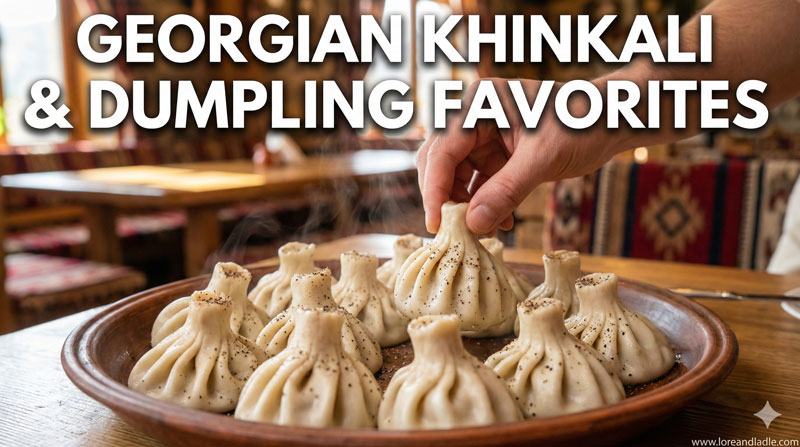
Family-Friendly classic beef and pork khinkali with Big Georgian Flavor
The dish Family-Friendly classic beef and pork khinkali with Big Georgian Flavor welcomes readers with a promise: a hearty dumpling that feels like a warm welcome to a Georgian table. This article explores its cultural value and culinary significance. It honors a recipe that travels well from kitchen to kitchen, while staying rooted in Georgia’s rich food traditions. The result is a meal that feels modern and timeless at once.
A glimpse into Georgian food culture
Georgian cuisine centers on generosity, seasonality, and clear, bright flavors. Meals often begin with the idea of sharing. Fresh herbs, fragrant spices, and a well-balanced blend of meat and dough come together to tell a story of a home and a family. Khinkali, the star dumplings in this dish, are more than food. They are a language spoken at the table. Each pleat speaks of care, practice, and patience. In homes and small eateries, khinkali invites conversation and a sense of belonging. This is the cultural value that the dish carries: it is a traditional bridge between generations, a way to welcome guests, and a reason for families to gather.
The culinary significance of the filling and dough
The filling blends beef and pork for a balanced, juicy bite. This combination is chosen for its richness and its tenderness when cooked. Ground meat is seasoned with simple, bright aromatics: onion, garlic, fresh herbs, black pepper, coriander seeds, and a touch of salt. The result is a filling that is savory, comforting, and distinctly Georgian. The dough is made to be soft yet sturdy, able to cradle a flavorful interior while holding a pocket of broth. The pleating technique—the signature crown at the top—locks in moisture and flavor. This careful construction makes khinkali both satisfying to bite and pleasing to look at. The “Big Georgian Flavor” label celebrates these robust, clean flavors that Georgia’s cooks have refined over generations.
Craft and technique: why the folds matter
Skill is not simply about filling; it is about folding. Each khinkali requires a steady hand and a mindful rhythm. The dough is tested for elasticity, then rolled into circles, filled, and sealed with a series of deliberate twists and folds. The pleats create a beautiful ridge that makes each dumpling easy to grip. When cooked, the dumplings stay plump and hold their broth. This technique is a living tradition, passed from parent to child, from neighbor to neighbor, in homes that celebrate education through kitchen hands. The result is a dish that looks as lively as it tastes, inviting admiration and a sense of shared craft.
A flavorful journey from pot to plate
In the cooking process, heat transforms the meat, infusing the filling with aroma and depth. The broth inside the khinkali bursts gently when bitten, delivering a warming sip of meat juices. This flourish of broth is a distinctive moment for the eater. It elevates the experience from a simple dumpling to a small, personal feast. The herb notes—parsley, dill, maybe a hint of cilantro—lightly perfume the bite, balancing the richness of the meat. The overall effect is a dish with clear, confident flavor that remains approachable for Family meals.
The family-friendly appeal
This particular khinkali is designed for shared meals. It invites cooks of All Ages to participate—kid-friendly dough handling, easy filling assembly, and communal eating. The dish is forgiving: small adjustments to spice levels or filling texture still yield a satisfying bite. It is an excellent way to teach children about cooking etiquette, patience, and the joy of presenting a finished plate. In short, it strengthens family bonds by turning dinner into a collaborative art project that ends with a comforting meal.
Hospitality at the center of service
Hospitality shines at the Georgian table, and this dish is a friendly ambassador. A family that sits together to Make khinkali often shares stories as they work. The act of gathering, rolling, pinching, and ladling broth becomes a ritual of inclusion. The dish embodies warmth, courtesy, and the pleasure of good company. Serving it hot emphasizes generosity, a key element of Georgian dining. The emotion it carries is simple: you are welcome here, and this meal is prepared with care for you.
Flavor pairings and serving ideas
To honor its tradition, serve khinkali hot and with a light garnish of fresh herbs. A clear broth or a simple yogurt-based sauce can accompany the dumplings, enhancing brightness without overpowering the meat. A crisp white wine or a light red, chosen to complement meat without dominating it, makes a fine pairing. For younger guests or those preferring a milder palate, the spices can be adjusted in the filling, while still preserving the dish’s characteristic profile. The dish shines on a well-set table, where conversation can flow as freely as the broth.
Keeping the tradition alive in home kitchens
Today’s kitchens offer opportunities to keep this Georgia-inspired dish lively and accessible. Use fresh, quality ingredients, respect the balance of meat and herbs, and practice the folding technique with patience. In a busy home, you can pre-roll dough circles and assemble fillings in a family cooking session. This approach makes the experience enjoyable for everyone and preserves the dish’s cultural value for future generations. It also invites families to create memories around a dish that feels simultaneously classic and relevant.
Final thoughts: A celebration of flavor and togetherness
Family-Friendly classic beef and pork khinkali with Big Georgian Flavor stands as a testament to the beauty of Georgian cooking. It celebrates family, craft, and hospitality. It invites cooks and diners to slow down, appreciate the texture of the dough, the richness of the filling, and the joy of sharing. The dish is a reminder that food can be a bridge between generations and a source of gentle, lasting pleasure. As a result, it holds a cherished place in kitchens and on tables where warmth, flavor, and togetherness come together in harmony.