
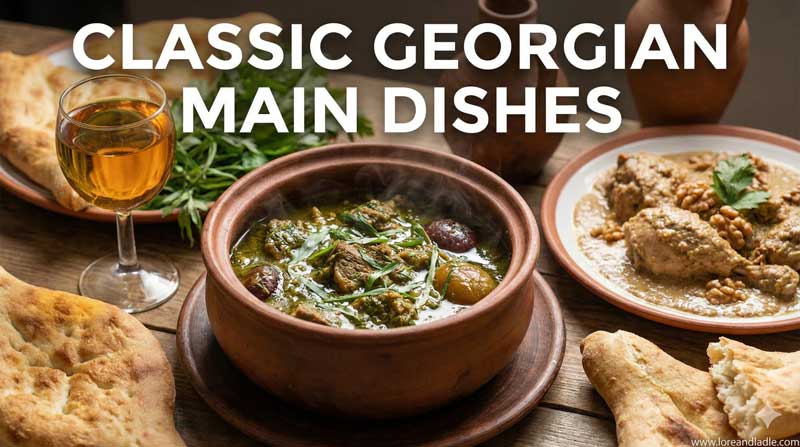
Georgian cuisine has a warm, generous spirit, and the family-style Georgian mixed grill highlights that spirit most vividly. This dish, shared and passed around the table, invites conversation, curiosity, and a relaxed pace. Here, we explore why it is becoming a favorite in American kitchens, focusing on cultural value and culinary significance.
A Shared Table: The Social Heart of Georgian Grill
When a platter arrives, everyone gathers closer. The act of serving and selecting from a single spread creates a sense of togetherness. In this format, flavors mingle as friends and family trade bites, compare textures, and celebrate the variety on offer. The table becomes a stage for hospitality, where the host’s care is visible in the careful arrangement and the choice to present diverse options. This social rhythm is not about competition; it is about connection—easy conversations, laughter, and a moment to savor both meat and atmosphere.
Core Flavors and Techniques: Mtsvadi and More
Georgian mixed grill centers on mtsvadi—the artful skewering of meat for quick, even grilling. Yet the platter often extends beyond one cut to include a chorus of proteins and vegetables. The meat is typically seasoned with onions, herbs, garlic, and sometimes wine or pomegranate elements, then finished over charcoal or wood to coax a smoky kiss. Adjika or herb blends add brightness and subtle heat. The result is a balance of savory depth, fresh herb lift, and a hint of sweetness from caramelized onions. In American kitchens, this balance translates into a versatile, approachable flavor profile that pairs beautifully with simple sides and bright sauces.
The Platter as a Cultural Canvas: Variety and Balance
A family-style Georgian mixed grill presents a spectrum: tender lamb or beef, juicy chicken, and sometimes pork, alongside vegetables like peppers, mushrooms, and onions. This range is a deliberate choice. It allows guests to sample contrasts in texture and aroma, and it celebrates abundance without pressure. The platter teaches a simple culinary lesson: variety enriches a meal. By offering multiple textures and flavors in one serving, it invites curiosity, encourages sharing, and supports dietary preferences within a single experience.
Craft and Tradition: Fire, Marinades, and Aromatics
The magic of this dish lies in the craft of grilling and the careful use of aromatics. Marinades or brines, built from onions, herbs, garlic, and a touch of wine or citrus, build depth without overpowering the meat’s natural character. The grill, whether charcoal or wood-fired, adds a smoky backbone that unifies disparate components. Fresh herbs, sprinkled over the finished platter, lift the dish with brightness and fragrance. This tradition-to-table flow celebrates careful technique and a respect for ingredients, making the experience both comforting and respectful of culinary roots.
A Bridge to American Kitchens: Accessibility and Adaptation
American households embrace this style for its generosity and ease of sharing. A big, family-style grill fits gatherings of friends, neighbors, and loved ones, from casual weekend meals to celebratory dinners. The format adapts to different budgets and crowd sizes without losing its communal essence. In addition, the dish invites adaptation: cooks can mix meats with seasonal vegetables, adjust marinades to suit pantry staples, or tailor the heat level to suit guests. The result is a flexible, welcoming centerpiece that feels both exotic and familiar, and it can harmonize with a wide range of American pantry ingredients and table settings.
Serving and Experience: Hospitality, Rituals, and Food Culture
Hospitality shines when a dish invites conversation as much as it delights the palate. The Georgian grill fosters shared rituals—passing the platter, offering a sample to a neighbor, praising a perfectly charred edge, and noting the balance between meat and vegetables. These modest rituals build a sense of care and community around food. The presentation itself—colorful skewers, glistening vegetables, and a generous spread—tells a story of generosity, seasonality, and the joy of gathering. In this way, the dish becomes more than sustenance; it becomes a cultural practice that can be carried into home kitchens with warmth and ease.
Quick Notes for Enjoyment: Flavor Pairings and Presentation
To honor the dish’s spirit, pair the grill with bright, simple accompaniments: fresh herbs, a light cucumber-teta salad, and a yogurt-based sauce or a tangy yogurt-mint dip. Offer lemon wedges or pomegranate seeds for a touch of acidity and color. Present the platter with a balance of meats and vegetables, and let guests choose freely. This openness reinforces the dish’s social value and makes the experience accessible to cooks at any skill level.
If you’re new to this style, start with a small variety: one meat option, one vegetable, and a simple herb-led marinade. As you gain confidence, expand the platter to include additional proteins and aromatics. The core idea remains the same: a generous, shared feast that honors technique, flavor, and the joy of eating together.
In summary, the family-style Georgian mixed grill is more than a meal. It is a celebration of shared dining, a showcase of balance between meat and produce, and a doorway to a hospitality-driven approach that resonates in American kitchens. It invites cooks to honor tradition while creating a warm, flexible experience for modern gatherings. By blending accessible techniques with a vibrant palate, this dish earns its place as a beloved staple on tables that value conversation, care, and delicious food.