
Hook
On market day, a gentle clatter fills the air as a vendor fans a tray of Fataya Savory Fried Pastries: What Makes This Senegalese Favorite Stand Out, turning warm triangles of dough into little suns of aroma. A child peers at the golden crust, counting the edges with curiosity. The smoke from the hot oil mingles with laughter and chatter. In that simple scene, this dish becomes a quiet celebration of everyday life—shared bites, friendly haggling, and a promise of something tasty to come.
Jump to Recipe
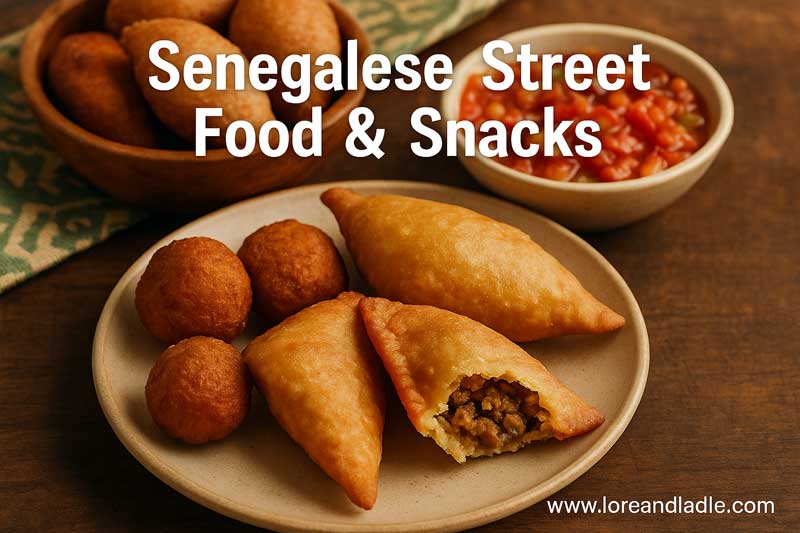
Fataya Savory Fried Pastries: What Makes This Senegalese Favorite Stand Out is a small, handheld pastry filled with a savory center and wrapped in a crisp shell. It’s common as a street snack, a quick lunch, or a friendly offering during gatherings. Core idea: a soft, flavorful filling tucked into a pliant dough and fried to a golden finish. Typical fillings include tuna or minced meat with onion, pepper, and herbs. A warm, peppery sauce or chutney often accompanies it.
- Core ingredients (high level): flour dough, a touch of oil, water and salt; filling such as tuna or ground meat with onion, garlic, tomato or tomato paste, chili or pepper, and parsley or cilantro.
- Texture and flavor: crisp exterior, tender interior; savory, slightly smoky from the fry; bright with onion and herbs.
- Occasions: sold fresh in markets, enjoyed after school, shared at family gatherings, and sometimes featured during festive seasons or Ramadan evenings.
- Quick takeaway: Fataya Savory Fried Pastries: What Makes This Senegalese Favorite Stand Out is versatile, handheld, and deeply comforting in its balance of crust and filling.
The Deep Dive
Fataya Savory Fried Pastries: What Makes This Senegalese Favorite Stand Out sits comfortably at the crossroads of snack and small meal. The dough is simple—flour, a little oil, water, and salt—yet it yields a flexible cover that crisps without becoming greasy. The filling shines with personality: tuna or minced meat seasoned with onion, garlic, pepper, and herbs. The combination creates a bright, savory aroma that travels with you from the stall to the street and into a home kitchen later in the day.
Culturally, the pastry echoes everyday life in Senegal’s busy neighborhoods. Vendors keep a steady rhythm, flipping pastries and greeting regulars with a nod and a smile. Families gather around a plate of Fataya Savory Fried Pastries: What Makes This Senegalese Favorite Stand Out as children learn to pinch the edge and adults linger over the last bite. The dish is flexible—recipes vary by neighborhood and season—yet the core idea remains the same: a pocket of warmth encased in a crisp shell, ready to be shared.
Flavors center on the contrast between exterior and interior. The crust offers a satisfying bite, a gentle crunch that gives way to a soft, seasoned filling. Onion, garlic, and pepper lend warmth and brightness, while herbs such as parsley or cilantro lift the mix with fresh notes. Some cooks add a whisper of tomato or a dash of citrus to balance richness. The result is a dish that tastes honest and comforting, without fuss.
In terms of settings, Fataya Savory Fried Pastries: What Makes This Senegalese Favorite Stand Out appears in stalls and home kitchens alike. People pick up a few for a quick lunch, or they share a plate during late-afternoon visits with neighbors. It is common to pair the pastries with a simple sauce or hot pepper chutney, which invites a gentle heat that complements the filling without overpowering it. Even the way they are eaten—hot, by hand, with a napkin—feels communal and down-to-earth.
Traditional variations welcome a range of fillings. Tuna offers a seaside, bright note that contrasts with the deeper savor of ground beef or lamb. Some cooks fold in chopped tomato, green onion, and fresh herbs for a lighter, herby finish. Others experiment with cheese or vegetables to create a vegetarian option that remains faithful to the pastry’s spirit. Across these variations, Fataya Savory Fried Pastries: What Makes This Senegalese Favorite Stand Out retains its essential identity: a portable, flavorful bite that invites sharing and conversation.
When you think of occasions, imagine markets buzzing in the morning, family meals late in the afternoon, or a casual gathering where neighbors pass around warm pastries and stories. The dish travels well, travels easily, and travels happily. It reinforces a sense of place—the neighborhood, the kitchen, the street—and the everyday rituals that make food feel like home. This is not a spectacle dish; it’s a reliable favorite that people turn to again and again for comfort, flavor, and a touch of festivity.
High-level recipe ideas you might explore include playing with different fillings (tuna, beef, or vegetable), adjusting the level of heat with peppers, or pairing Fataya Savory Fried Pastries: What Makes This Senegalese Favorite Stand Out with a simple dipping sauce that brightens the palate. The core experience—crisp exterior, savory interior, and an aroma that draws people in—stays constant, inviting discussion about texture, balance, and the joy of a good bite.
The Recipe Card
Core ingredients and a high-level method for Fataya Savory Fried Pastries: What Makes This Senegalese Favorite Stand Out:
- Dough: flour, water, salt, a little oil or softened butter.
- Filling (choose one or combine): canned tuna with onion, garlic, tomato paste, parsley; or ground beef with onion, pepper, garlic, tomato; optional additions include chili, herbs, and a squeeze of lemon.
- Pan or deep-frying oil suitable for high heat.
- Optional accompaniments: a light pepper sauce or chutney for dipping.
High-level method (no step-by-step): Mix and rest the dough until smooth, prepare a savory filling, roll the dough into small discs or sheets, place a portion of filling inside, seal the edges to form a pocket, and fry until the exterior is golden and crisp. Serve hot, with a bright dipping sauce or chutney on the side. Fataya Savory Fried Pastries: What Makes This Senegalese Favorite Stand Out remains a celebration of simple ingredients, careful balance, and the joy of sharing a warm bite with someone else.