
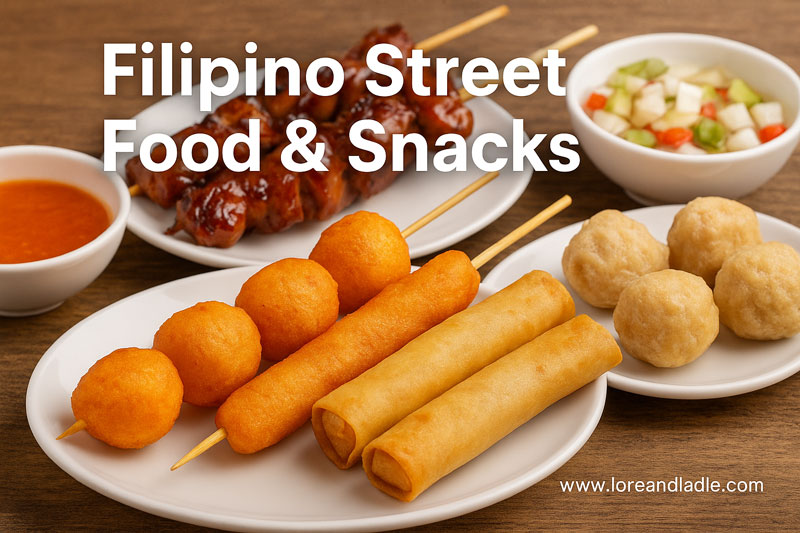
Why Filipino Turon Is a Must-Try Filipino Dish that are trending in America
Turon is a small, comforting treasure from the Philippines. It shows up on street corners, at family gatherings, and in home kitchens with equal ease. The version many Americans are discovering today combines simple ingredients into a treat that feels both familiar and new. Why Filipino Turon Is a Must-Try Filipino Dish that are Trending in America signals a growing curiosity about flavors, textures, and simple pleasure. The dish speaks softly of shared moments, a quick snack that becomes a small celebration when enjoyed warm and fresh.
In this post, you’ll find a friendly tour of turon’s appeal. We’ll explore its flavors and textures, its cultural charm, and ways people enjoy it beyond the plate. You’ll also see high-level ideas for adapting the concept at Home. The goal is clear: to celebrate a dish that feels playful, approachable, and warmly satisfying.
Turon at a Glance
Turon is a rolled, fried sweet treat. The core is a banana, typically the saba banana, sometimes paired with pieces of jackfruit. The fruit is wrapped in a thin pastry wrapper, usually a lumpia wrapper, and then fried until the outside turns crisp and golden. When bitten, the interior fruit remains soft and fragrant, while the wrapper delivers a light crunch and a gentle sheen of caramelized sugar.
What makes turon inviting is its balance. The sweetness comes from the ripe fruit and the natural caramel that forms during frying. The texture contrast—crisp exterior, soft interior—creates a satisfying bite. The dish is compact and easy to share, which helps it feel friendly at markets, picnics, and casual gatherings. The result is simple, not heavy, and easy to enjoy with a cup of coffee or tea.
Core Ingredients and How They Come Together
- Banana, preferably saba or another cooking banana. The fruit should have some sweetness and a bit of firmness to hold its shape.
- Jackfruit pieces (langka) are a common addition, adding a fruity aroma and a different texture.
- Lumpia wrappers or spring roll wrappers provide a thin, pliable shell that crisps nicely when fried.
- Sugar or a caramel glaze helps the outside form a golden sheen and a gentle sweetness.
- Oil for frying, used with care, delivers an even, crisp finish.
Optional accents include sesame seeds for a light nutty note or a sprinkle of shredded coconut for a tropical aroma. Some cooks add a touch of vanilla or drizzle a little coconut caramel after frying to accentuate the flavors. These elements highlight turon’s flexibility: the dish invites small variations while keeping its core character intact.
The Dance of Flavors and Textures
Turon charms with a careful balance:
– Sweetness from ripe fruit and a touch of caramel.
– A crisp, delicate wrapper that yields to a soft, fragrant center.
– A gentle, warm aroma that invites a second bite.
– Subtle fruit notes that brighten the overall flavor without overpowering it.
In every bite you first feel the crisp wrapper, then the tender fruit, and finally a whisper of sweetness that lingers just enough. The textures work together naturally, making turon feel comforting rather than heavy. The result is a taste memory that’s easy to share in conversation and savor in quiet moments alike.
Cultural Value and Non-Political Traditions
Turon lives in everyday life and in special moments alike. It appears at merienda-time—a light afternoon snack that fits between meals—when families gather, catch up, and enjoy something sweet but not overly rich. Vendors on busy streets offer turon as a quick, satisfying bite, and home cooks often prepare it for family get-togethers. The dish earns its place through consistency and warmth rather than show. It is a small treat that supports a sense of routine and care.
Culturally, turon represents a simple way to honor fruit, sweetness, and the joy of sharing. The act of wrapping fruit in a thin shell and frying it becomes a small ceremony: a moment to pause, to savor, and to connect with others. The dish’s accessibility is part of its charm. With a handful of ingredients and a few minutes of frying, turon arrives at the table ready to be enjoyed. That ease is part of what makes Why Filipino Turon Is a Must-Try Filipino Dish that are trending in America resonate with cooks and eaters who appreciate straightforward, satisfying treats.
Occasions for Turon
Turon fits many moments:
– After-school snacks when kids crave something sweet but light.
– A casual dessert after a simple dinner with friends.
– A quick bite during market visits or a stroll through a busy street fair.
– A part of a dessert spread at family gatherings or special occasions.
– A comforting option on cool evenings when a warm treat feels comforting.
The versatility of turon means it can stand alone as a snack or complement a broader tasting with other small bites. It’s small enough to socialize around, but flavorful enough to feel like a treat.
Ways People Enjoy It Across Settings
- Fresh and warm: Turon shines when eaten soon after frying, while the wrapper is crisp and the fruit is soft inside.
- With a dip or drizzle: A light sugar glaze, a touch of coconut, or a warm caramel can elevate the experience.
- As a bite-sized snack: Many people roll turon into smaller portions for parties, making it easy to share.
- In cafes and markets: Turon is often offered as a quick, approachable dessert or snack that pairs well with coffee or tea.
- With toppings: Toasted sesame seeds, shredded coconut, or a light dusting of sugar add subtle textures and aromas.
This variety makes turon accessible in different settings, from street stalls to home kitchens, and from everyday snacks to occasional treats.
High-Level Recipe Ideas to Explore
- Classic pairing: saba banana with jackfruit, wrapped in a lumpia wrapper, fried until crisp, then finished with a light sugar glaze.
- Light and fresh: use a thinner wrapper and a touch less sugar; bake or air-fry for a crisp, lower-oil version while preserving the sweet fruit center.
- Chocolate-kissed: add a small optional drizzle of dark chocolate after frying for a gentle contrast to the fruit’s sweetness.
- Coconut finish: dust with toasted shredded coconut or serve with a coconut caramel sauce on the side.
- Mini versions for sharing: prepare several small, bite-sized rolls to create a dessert platter perfect for gatherings.
- Plantain variation: substitute with ripe plantain if saba is not available, adjusting the sweetness to taste.
- Dessert-forward: pair with a scoop of vanilla or coconut ice cream for a warm-and-ccold contrast.
These ideas stay true to the spirit of turon while inviting small explorations. They offer ways to enjoy the dish in different moods and settings without changing its essential character.
Presenting Turon: Serving and Pairings
Serving is one of turon’s strengths. Present it while it’s warm so the wrapper stays crisp and the interior remains tender. A simple dusting of sugar, a light drizzle of caramel, or a side of coconut milk complements the flavors without overpowering them. A small mound of shaved coconut on the plate adds a tropical aroma. A cup of hot coffee, tea, or a glass of cold milk makes for a gentle pairing that enhances the sweetness.
If you are hosting, you can display turon in a neat row, or present it as a few elegant turnovers on a decorative platter. It’s naturally photogenic—golden wrappers, warm fruit, and a glossy finish invite a smile when shared on a table or in a social post.
Why It Trends in America
Why Filipino Turon Is a Must-Try Filipino Dish that are trending in America becomes clear when you consider the experience it offers: a quick, comforting bite with a balanced sweetness and a satisfying crunch. The dish is easy to prepare with everyday ingredients, but it still feels like a special treat. Its compact size makes it perfect for tasting menus, street-food-inspired menus, and home cooking alike. The warm aroma during frying draws people in and creates a shared moment of anticipation.
In addition, turon’s friendly, universal appeal helps it cross cultural borders. It is approachable for cooks who may be trying new flavors and textures, yet familiar enough for a quick snack that feels like home. The trend reflects a broader curiosity about regional snacks that combine fruit, pastry, and a touch of caramel in a simple, joyful package. This is the kind of dish that can spark conversations, inspire new taste pairings, and become a comfortable favorite in American kitchens.
As a result, Why Filipino Turon Is a Must-Try Filipino Dish that are trending in America sits well in menus, marketplaces, and home kitchens. It offers a warm introduction to a cultural treat without any heavy preparation, and it invites experimentation in a gentle, satisfying way.
A Gentle Conclusion
Turon is a small dish with a bright spirit. Its crisp wrapper, tender fruit, and caramel sweetness create a familiar yet evocative experience. The dish invites sharing, celebrates simple ingredients, and fits easily into many moments—from everyday snacks to special occasions. The stories behind turon are quiet ones—about family, friends, and the pleasure of a warm treat enjoyed together. By exploring Why Filipino Turon Is a Must-Try Filipino Dish that are trending in America, readers can appreciate how a traditional snack can feel current, approachable, and warmly inviting in a modern setting.
If you decide to try high-level recipe ideas, remember the goal: preserve the balance of textures and flavors, keep the experience warm and welcoming, and honor the dish’s simple joy. Turon remains a charming example of how a few ingredients, prepared with care, can bring people together and create small moments of delight. This is the essence of Why Filipino Turon Is a Must-Try Filipino Dish that are trending in America: a timeless treat that remains relevant because it feels homely, comforting, and shareable.