
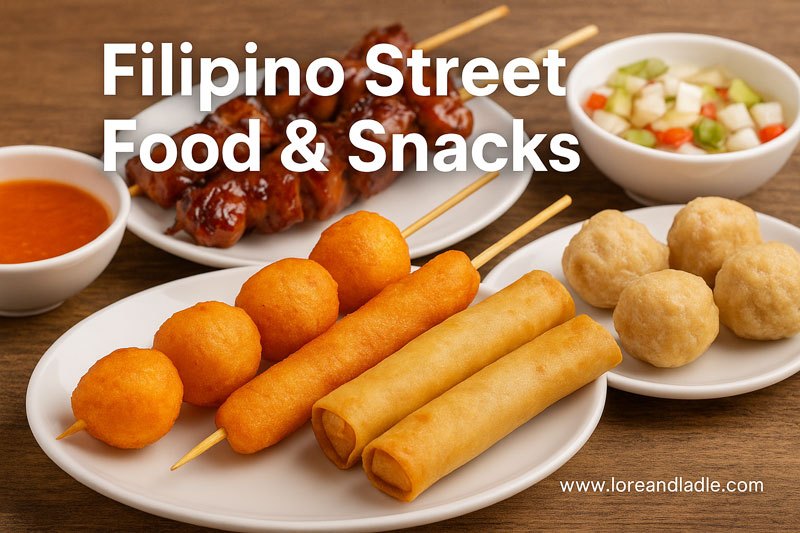
Why Fish Balls Is a Must-Try Filipino Dish that are trending in America
In recent months, a bright bite has been turning heads in many kitchens and on many street corners. Why Fish Balls Is a Must-Try Filipino Dish that are Trending in America is not just about a small ball of flavor. It is about a shared moment of tasting, texture, and tradition. The dish is simple in form, yet rich in meaning. It brings people together around a common plate, a common smile, and a shared curiosity about flavors from the Philippines. This article introduces the dish with warmth, clarity, and a steady cadence. It looks at flavor, texture, occasions, and ways people enjoy it. It also notes why the dish has found a welcome place in American menus, food stalls, and homes.
Fish balls are made from fish paste. The paste is shaped into round, compact spheres. They cook quickly and crave a light chew. The result is a clean bite that holds a gentle ocean sweetness, a touch of salt, and a subtle starchiness from the binding ingredients. The texture is lively but steady. It is not mushy; it rebounds with a small bounce. The color is pale ivory to golden when fried. When boiled, they stay tender and moist. The overall impression is one of balance: a straightforward snack that somehow feels celebratory.
This introduction invites you to explore not only how fish balls taste but how they fit into a broader pattern of Filipino foods that celebrate community, craft, and care. You will read about flavors, textures, and key characteristics. You will also see why the dish is enjoyed at many occasions and in many settings. And you will learn how people approach it in different contexts, from street stalls to home kitchens.
What fish balls are and how they fit into Filipino street food
Filipino fish balls are a staple of street food culture, yet they are found near family tables as well. Vendors often string the balls on sticks, offering them on skewers for easy handling. A sauce or two is commonly included, letting each person tailor sweetness, heat, and tang to taste. This adaptability is part of the charm. The dish can be enjoyed as a quick snack, a small plate to share, or a playful addition to a larger meal.
The essence of the dish is the fish paste that forms the balls. The paste is built from finely ground fish, usually with a starchy binder like cornstarch or potato starch. Sometimes egg helps hold the shape. Seasonings add depth: salt, pepper, garlic, a hint of onion, and sometimes a touch of sugar. The result is a gentle, approachable flavor that invites numerous complementary sauces.
The flavor profile: flavors, textures, and sensations
Why Fish Balls Is a Must-Try Filipino Dish that are trending in America often wins praise for its simple, well-balanced taste. The primary note is the clean, slightly sweet fish flavor, not overwhelmed by salt. The binding starch adds a comforting chew that makes each bite satisfying. The outer surface, when fried, offers a light crust and a delicate crispness. When boiled, the balls stay soft inside while keeping their shape.
Dips and sauces carry much of the personality. A classic sweet and sour glaze gives bright fruitiness with a tangy kick. A garlic-vinegar dip presents a sharp, clean bite with a hint of heat. A spicy chili sauce adds warmth and a modern twist. A creamy mayo-based dip can mellow the flavors while still keeping the texture distinct. The variety of dips means the dish adapts to a range of palates, from those who prefer bright, tangy flavors to those who want a mellow, comforting bite.
The textures are reliable and inviting. The outside offers a gentle crunch or a smooth, glossy surface when fried, while the interior remains tender and cohesive. The bite is easy to control, making it accessible to both curious first-timers and seasoned fans. This combination of texture and flavor makes it a crowd-pleaser in many gatherings.
Core characteristics of Filipino fish balls
Several traits consistently mark Filipino fish balls as a distinct and beloved dish. First, uniformity of size and shape helps the platter look neat and inviting. Second, the color—pale with a slight sheen or a golden exterior—signals careful cooking. Third, the balance of flavors between the fish and the binding ingredients prevents any single element from dominating. Fourth, the sauces offer a flexible, customizable experience that can be adapted for different tastes, hours, and contexts.
Another characteristic is accessibility. The dish is easy to share, easy to transport, and easy to prepare in a home kitchen with modest equipment. It works as a snack, as part of a larger meal, or as a simple starter. Because it is often served with skewers and small cups of sauce, it also invites hands-on enjoyment and conversation.
High-level ideas for preparing fish balls (no detailed instructions)
If you are curious about how to think about making fish balls at home, consider these high-level ideas. You begin with a base of finely minced fish or fish paste. You add a light starch that helps bind the mixture and give it shape. A small amount of egg can help with binding, though some recipes skip it for dietary reasons. Seasoning is simple: salt for balance, pepper for lift, a whisper of onion or garlic for aroma, and perhaps a hint of citrus zest for brightness.
Next, you shape the mixture into uniform balls. The size is a personal choice, but keeping them uniform helps when cooking and serving. Cooking methods vary: boil until just firm, then briefly fry for a crust; or fry from the start for a consistent outer crisp. Finally, you serve with a selection of dipping sauces to suit the moment and the crowd.
These ideas are intentionally broad. They leave room for family tradition, local ingredients, and personal preference. The aim is to encourage exploration without prescribing a single method. The joy of the dish lies in its flexibility as much as its flavor.
The cultural value and traditions around the dish
Why Fish Balls Is a Must-Try Filipino Dish that are trending in America resonates because it reflects generosity and shared moments. The dish invites people to gather around a tray, choose their favorite sauce, and trade tasting notes. It becomes a small ceremony of taste where friends, family, and guests learn about each other through their preferences and reactions.
Filipino food often emphasizes balance and sharing. Fish balls fit this ethos by combining simple ingredients into something enjoyable for many. The ball’s compact form makes it easy to pass, share, and compare, which can strengthen a sense of belonging at a gathering. The dish is also a reminder of everyday cooking turned into a social event. A quick snack becomes a festival of flavors when multiple dipping options are offered and people try each one.
The tradition around street vendor stalls adds a convivial layer. A vendor bustling with energy, a line of customers waiting their turn, and the clinking of cups as sauces are swapped—these little sounds and scenes become part of the flavor memory. The dish embodies a spirit of friendliness and approachability that many find appealing.
In homes, fish balls can become a simple, comforting option on busy weeknights. They also appear at celebrations and community events, where the shared dish helps set a friendly tone. The dish thus travels between the intimate and the public sphere, enriching moments with familiar taste and cheerful company.
Occasions, gatherings, and everyday enjoyment
Fish balls are well suited to a wide range of occasions. A casual family gathering benefits from a plate of fish balls with an assortment of dips. The bite-size form makes them perfect for snacking while chatting or watching a game. At a birthday party or a potluck, they become a convenient crowd-pleaser that travels well and looks attractive on a serving platter.
Streetside carts and food stalls often feature fish balls as a popular snack. The compact shape makes them easy to eat on the go. Meanwhile, at home, they can anchor a small tasting menu or serve as a playful starter before a larger meal.
For special occasions, a platters-and-dips presentation can elevate the dish. A small bowl of garlicky vinegar, a sweet-tart sauce, a chili dip, and a creamy option offer variety and color. This approach invites guests to explore different flavor profiles and share their favorites with one another.
The dish also fits well into casual gatherings with friends, where people like to experiment with new flavors. A simple plate can spark conversation about texture, aroma, and memory, creating a warm, inviting atmosphere.
Regional variations and sauces across the Philippines
Filipino cuisine embraces regional diversity, and fish balls are no exception. Different areas bring distinct textures and flavor accents. Some variations use prawns or other seafood in the paste to vary the taste. Others adjust the binding starch to achieve slightly firmer or softer balls. A few regions favor a particular dipping sauce: sweeter profiles in one area, spicier notes in another, or tangy lime and vinegar blends in yet another.
Common dipping sauces include:
– Sweet and sour sauces with a fruity lift
– Garlic-vinegar blends that brighten the palate
– Spicy chili sauces for heat and depth
– Creamy mayo-based dips that soften the bite
Each sauce emphasizes a different aspect of the dish, and many home cooks enjoy creating a small set of dips to accompany the fish balls. The result is a dynamic, adaptable dish that can suit many tastes and occasions.
Why fish balls are making waves in America: Why Fish Balls Is a Must-Try Filipino Dish that are trending in America
Embarking on a modern food scene, Why Fish Balls Is a Must-Try Filipino Dish that are trending in America speaks to a broader trend in American kitchens: there is growing interest in simple, flavorful snacks with a gentle bite. The dish brings a fresh take on street-food-inspired fare and offers a way to explore Filipino flavors without commitment to a long cooking process. Its approachable shape, easy dipping experience, and bright, flexible sauces make it a natural fit for casual gatherings, game nights, and dinner parties.
American audiences often appreciate bright, clean flavors that pair well with a variety of cuisines. The fish ball’s light fish taste and comforting texture provide a versatile canvas for creative sauces and modern twists. The dish can be adapted to incorporate local ingredients or fusion ideas while preserving its essential character. Its presence on menus and social feeds helps introduce Filipino flavors in a friendly, non-intimidating way.
The social media moment also plays a role. Short videos show the transformation from paste to ball to dipping sauce in seconds. Quick visuals emphasize texture and color, which makes the dish appealing for platforms that celebrate bite-sized, satisfying food encounters. This visual appeal helps drive curiosity and participation, encouraging people to try the dish and share their own versions.
How people enjoy fish balls: serving styles, pairings, and moments
People enjoy fish balls in many ways. Served on sticks at a street stall, they become a handy handheld snack. Plated with a small selection of dips, they turn into a small tasting experience ideal for gatherings. Some people pair fish balls with a bowl of rice or noodles to create a heartier bite. Others add fish balls to soups or broths, where they contribute texture and a mild seafood note.
Pairings can include drinks that refresh the palate. A citrusy soda, a light iced tea, or a cold fruit juice can balance the saltiness and provide a cooling finish. For more formal settings, a platter of fish balls with a curated set of dips offers an elegant, approachable starter.
When prepared at home, the dish can be part of a larger feast. It may appear alongside other small bites, such as fried plantains, steamed vegetables, or light seafood dishes. The common thread is accessibility and warmth: a dish that invites people to talk, taste, and enjoy together.
Selecting and storing fish balls: practical tips
Choosing high-quality fish balls begins with fresh, clean ingredients. If you make them at home, use fresh fish or high-quality prepared paste. Look for a firm texture in the finished product. A pleasant, mild aroma signals that the fish and seasonings are well balanced. When buying ready-made fish balls, read labels for quality and freshness. Check for a smooth surface, uniform color, and no off-putting odors.
Storing fish balls properly helps preserve texture and flavor. Refrigerate them if you plan to eat within a day or two. For longer storage, freeze them in a single layer on a tray before transferring to a container. This method helps prevent sticking. When ready to enjoy, reheat gently to maintain moisture and chew. Avoid overcooking to keep the balls tender.
High-level ideas for menu planning and gatherings
If you want to feature fish balls in a menu, start by selecting a few dipping sauces. A bright, tangy sauce; a warm, slightly spicy option; and a creamy dip offer variety. Place the fish balls on sticks for easy sharing, or arrange them in small bowls with toothpicks for a buffet-style setup. Add light sides like cucumber salad, pickled vegetables, or steamed greens to balance the richness.
For a casual get-together, a fish-ball platter can anchor the food table with color and texture. Include a small card that describes the flavor notes and suggested sauces. This helps guests discover and appreciate the dish without needing extensive explanation. A simple setup makes it easy for people to try, compare, and enjoy.
A gentle note on modern twists and fusion ideas
Cooking evolves by blending ideas. You may see fish balls prepared with additional ingredients in the paste, such as minced shrimp, crab, or seasonings that reflect regional tastes. Some chefs experiment with gluten-free binders or plant-based substitutes that maintain the familiar bite. Fusion ideas can pair the dish with sauces inspired by other cuisines, creating new and playful flavor combinations.
Despite these variations, the core charm remains: a small ball that carries a gentle seafood note, a satisfying chew, and the ability to pair with bright dips. The dish invites curiosity, and that openness is part of its appeal.
A closing reflection on why this dish matters
Why Fish Balls Is a Must-Try Filipino Dish that are trending in America reminds us that flavor can be welcoming, simple, and repeatedly joyful. The dish offers a straightforward path to a satisfying bite, while also inviting experimentation and social sharing. It is a testament to how a humble preparation can travel well, connect people, and become a familiar favorite in new settings.
In the end, the beauty of fish balls lies in their versatility and warmth. They are not about extravagance or complicated techniques. They are about balance, accessibility, and a sense of welcome around the table. The dish stands as a small emblem of Filipino cooking that can be enjoyed with ease in many places, including America’s diverse food landscape.
If you are looking for a flavorful, approachable bite that can travel from casual snack to party starter, consider fish balls. They offer texture, bright sauces, and a gentle seafood character that many people find appealing. The experience is straightforward, friendly, and memorable—the kind of tasting moment that sticks with you and invites a second bite, then a third, and a fourth.
Conclusion
The journey through Why Fish Balls Is a Must-Try Filipino Dish that are trending in America highlights a dish built from simple, dependable elements. It demonstrates how thoughtful seasoning and a good pairing of sauces can elevate a modest bite into a shareable moment. This dish invites exploration and conversation, and it can adapt to many occasions and preferences.
Whether you encounter it at a street stall, a home kitchen, or a casual party, fish balls offer a welcoming experience: a pop of flavor, a friendly texture, and a spirit of communal enjoyment. They remind us that good food often travels best when it remains grounded in comfort and clarity. If you haven’t tried fish balls yet, you may find in them a light, engaging doorway into a broader world of Filipino flavors—one that tastes bright, feels inviting, and brings people together around a simple, satisfying plate.