
How to Make Flavor-packed Chicken Satay at Home
Satay is a beloved dish in Indonesia, bright with aroma, color, and a sense of shared meals. This post introduces the dish with a focus on cultural value and culinary significance. It also explores how satay can shine in a home kitchen, especially when paired with noodles in ideas drawn from Indonesian noodle favorites. You will find a welcoming invitation to cook with respect for the flavors, textures, and techniques that make satay a treasured staple.
The Cultural Value of Satay in Indonesian Cuisine
Satay represents more than a tasty bite. It is a social food, often enjoyed together with family and friends. Skewered pieces cook quickly, so everyone can gather around the grill, chat, and savor the smoky aroma. The practice of grilling over charcoal connects cooks with traditional methods that have long carried flavor from one generation to the next. In markets and home kitchens alike, satay is a symbol of hospitality and everyday celebration. The simple act of sharing skewers helps people slow down, appreciate artful spicing, and honor the craft of careful grilling.
The Flavor Profile and Marinade Craft
The magic of chicken satay lies in balance. The marinade blends aromatic herbs and spices that tell a story of regional gardens and kitchens. Common elements include garlic, shallots, coriander, cumin, turmeric for a sunny hue, and a touch of brown sugar or palm sugar for warmth. Fresh lime juice adds brightness, while a splash of coconut milk can enrich the texture and aroma. The goal is to infuse the chicken with depth without overpowering its natural succulence. When the meat rests in the marinade, the flavors mingle, creating a layered profile that shines on the grill and in the bite.
The Signature Peanut Sauce: The Heart of the Experience
A great satay is finished with a peanut sauce that brings smooth sweetness and a gentle kick. Roasted peanuts are blended with tamarind or lime for tang, palm sugar for sweetness, soy or fish sauce for savor, and a touch of chili for warmth. The sauce should cling to the meat with a glossy consistency, yet still pour easily onto each skewer. This sauce not only accompanies satay; it also elevates noodles, rice, and vegetable dishes that appear in Indonesian noodle favorites. The interplay of nutty richness and zesty acidity creates a harmonious counterpoint to grilled chicken.
Regional Flavors and Techniques Across Indonesia
Indonesia presents a spectrum of satay styles. Java might emphasize a bright marinade with turmeric and lemongrass, while Bali offers herbal undertones and fruity notes. Sumatra may bring bolder spice blends and a touch of coconut. Skewers can be grilled over open charcoal or finished on a hot skillet to mimic the smoky effect at Home. Variations often include a splash of kecap manis (a sweet soy glaze) to deepen color and sweetness. These regional differences reveal how local gardens, markets, and traditions shape a shared dish into many delightful variations. Embracing these nuances makes satay a living art, adaptable to seasonality and personal preference.
Cooking at Home: Bringing Satay to Your Kitchen
to Make flavorful chicken satay at home, start with clean, evenly sized pieces of chicken breast or thigh. Mix a simple marinade: garlic, shallots, coriander, cumin, turmeric, lime juice, salt, and a hint of coconut milk. Let the chicken soak for 30 to 60 minutes to absorb the spices. Thread the meat onto bamboo or metal skewers and grill over medium heat, turning until evenly charred and juicy. Baste lightly to keep moisture and aroma. Serve with peanut sauce, cucumber slices, and a wedge of lime. If you don’t have a grill, you can broil the skewers in a hot oven or sauté them in a skillet to achieve a similar char and depth. The result is a dish that feels both approachable and deeply rooted in Indonesian culinary technique.
Satay and Noodles: A Harmonious Indonesian Noodle Favorites Idea
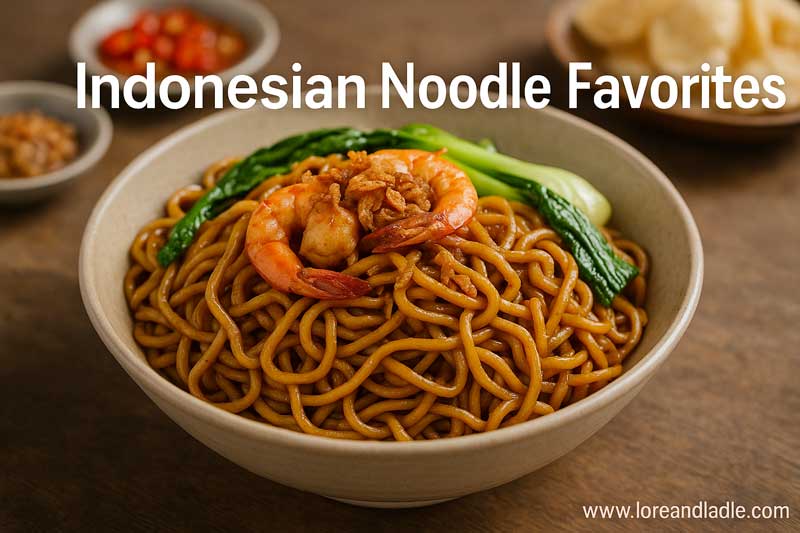
This dish pairs beautifully with noodles, a nod to Indonesian noodle favorites. Try pairing the skewers with a batch of egg or rice noodles tossed in a light peanut-tinged sauce, sesame oil, and fresh herbs. Vegetables such as bean sprouts, shredded cabbage, and scallions add crunch and color. The noodles absorb the same peanut sweetness that accompanies the satay, creating a unified plate where meat and noodles converse in flavor. The combination is not only satisfying but also a celebration of how Indonesian cuisine often blends textures—succulent meat, creamy sauce, and silky noodles—into one harmonious bite.
Serving, Garnishes, and Everyday Joy
Plate satay with a generous drizzle of peanut sauce, a handful of chopped peanuts for texture, and crisp cucumber or carrot batons for contrast. A squeeze of lime brightens the dish, while fresh cilantro or mint can add a clean herbal note. This presentation respects the dish’s simplicity while highlighting the care given to each ingredient. The beauty of satay lies in its balance: the smoky meat, the creamy sauce, the freshness of garnishes, and the warmth of spice. It is a dish that invites sharing and creates a moment of small, joyful hospitality in the home.
Closing Reflections: The Beauty of Satay in Food Culture
Chicken satay embodies flavor, technique, and community. It shows how a few careful ingredients can become a dish rich with cultural meaning. In the home kitchen, satay becomes a bridge between traditions and contemporary dining, especially when explored alongside Indonesian noodle favorites. By honoring the spices, the grill’s aroma, and the joy of gathering, you celebrate not just a meal, but a timeless culinary heritage. May your table be welcoming, your flavors balanced, and your satay a gentle, delicious reminder of how food connects us all.