
Introduction: A Celebration of Flavor and Heritage
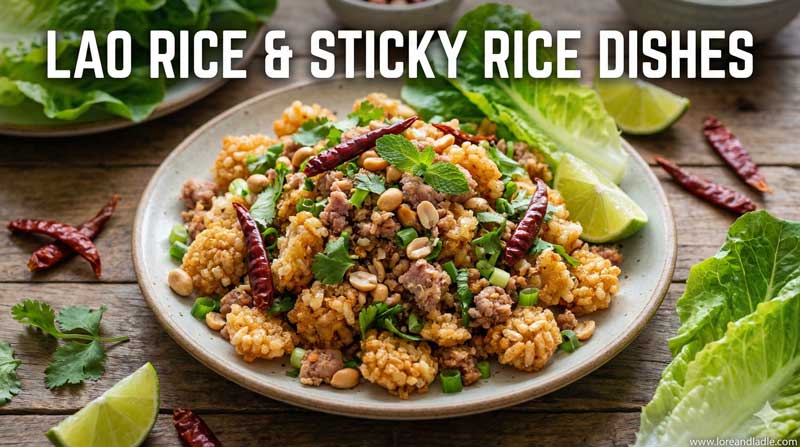
Flavor-Packed Lao Rice & Sticky Rice Dishes with Fresh Herbs presents more than a meal. It is a living culture of taste, craft, and daily life. In Lao kitchens, rice is the heart. Fresh herbs bring brightness and balance. Together, they tell a story of gardens, markets, and family gatherings. This post invites you to explore the cultural value and culinary significance of these dishes. You will discover how simple ingredients can express patience, skill, and regional pride.
The Heart of Lao Rice: Sticky Rice and Everyday Staples
In Laos, sticky rice holds a special place at many tables. It is more than nourishment; it is a symbol of continuity and care. The soft, glossy grains are steamed to a perfect cling, then shaped by hand into neat portions. A small basket or cloth pouch often carries the rice from pot to plate. This ritual connects cooks with generations who perfected the texture and aroma. Alongside plain or jasmine rice, sticky rice anchors meals and invites dipping, wrapping, and sharing. The plain rice offers balance, while sticky rice adds texture and a delightful complexity. Together, they form the backbone of many Lao meals.
Fresh Herbs: Bright Aromatics That Define the Flavor
Fresh herbs are the bright heartbeat of Flavor-Packed Lao Rice & Sticky Rice Dishes. Mint, cilantro, dill, and basil lift the palate with clean, cooling notes. Lemongrass and shallots bring citrusy and sweet depth. Dill gives a unique lift to certain regional preparations, while chives and Thai basil add peppery then herbal finish. Herbs arrive at the table in bunches from the garden or the market, ready to be chopped, bruised, or tucked into sauces. Their role is simple: they awaken the rice, refresh the sauces, and harmonize with grilled proteins and vegetables. The result is a bright, balanced plate that feels both familiar and new.
Jeow and Sauces: The Art of Balancing Heat, Sour, and Freshness
A defining feature of these dishes is the jeow, a family of dipping sauces and pouring condiments. Jeow blends chilies, garlic, shallots, and lime with herbs. It is bold yet refined, offering heat without overpowering the rice. The freshness from herbs rounds each bite and cleanses the palate. This culinary technique—layering heat with herbal brightness—marks Lao cuisine as expressive and precise. Whether spooned over a bite of sticky rice or used for dipping, the sauce elevates the texture and depth of flavors. The same approach can be seen in many regional variations, each interpreting the balance in its own way.
The Table as a Social Space: Sharing, Hospitality, and Joy
Meals built around rice and herbs are often social events. Family members gather, pass dishes, and show care through sharing. A simple plate becomes a chorus of voices and smiles. The tactile act of pinching sticky rice between fingers and forming a small bite creates a tactile connection to food and people. Hospitality shines in Lao culture through generous portions, thoughtful herb selection, and careful plating. This communal spirit adds a layer of meaning to every meal, turning nourishment into a shared experience.
Regional Voices: A Tapestry of Rice and Herb Traditions
Lao regions bring distinct textures and flavors to Flavor-Packed Lao Rice & Sticky Rice Dishes with Fresh Herbs. In river valleys, the rice can be creamier and the herbs more mint-forward. In upland areas, dill and cilantro might mingle with sharper chiles and citrus notes. Coastal influences appear in lighter sauces and brighter herb blends. Across provinces, cooks adapt techniques, harvest seasons, and market availability. Yet the central idea remains: rice serves as a canvas, and fresh herbs provide the evolving palette that gives each plate its memory and character.
Cooking at Home: Bringing the Flavor to Your Kitchen
Even at Home, you can honor Lao rice traditions with simple steps:
– Start with good sticky rice or a suitable fragrant rice. Rinse lightly, soak briefly if needed, and steam until glossy.
– Prepare fresh herbs just before serving. Give them a rough chop to release fragrance.
– Create a bright jeow by combining chopped chilies, garlic, shallots, lime juice, and a pinch of salt. Fold in fresh herbs for a vivid finish.
– Plate rice in a neat mound. Add a small bowl of jeow on the side and a selection of grilled vegetables or meat.
– Enjoy the ritual of sharing. Use your hands for the sticky rice, and savor how the herbs lift each bite.
This approach emphasizes accessible steps, vibrant flavor, and respect for the ingredients. The result is a home menu that feels both approachable and deeply rooted in tradition.
Aesthetic and Texture: The Beauty of Simplicity
The beauty of these dishes lies in balance and simplicity. The glossy grains of sticky rice contrast with the fresh green of herbs. The color from chili and lime adds energy without overwhelming the palate. Textures play a key role: the chew of rice, the crispness of herbs, and the smoothness of a silky jeow. This harmony invites careful attention to the way each component is prepared, plated, and shared. It is a reminder that beauty in food often comes from precise restraint and generous spirit.
Healthful Harmony: Nutritional Insight Through Tradition
Herbs and rice together form a wholesome base for meals. Sticky rice provides energy with a comforting texture. Fresh herbs deliver aroma, essential oils, and bright flavors without heaviness. A balanced plate often includes vegetables or grilled proteins, offering protein, fiber, and micronutrients. The approach highlights a holistic philosophy: food that tastes good, feels good, and connects people with the land and seasons.
Conclusion: A Taste of Lao Culture Through Rice and Fresh Herbs
Flavor-Packed Lao Rice & Sticky Rice Dishes with Fresh Herbs showcases how rice, herbs, and sauces come together to create a cultural expression. Each bite carries memory—from garden herbs to market stalls, from family meals to festive gatherings. The dishes reveal a philosophy of balance, care, and generosity. They invite you to taste with intention, to notice how herbs brighten the rice, how textures play with sauces, and how sharing deepens every meal. In this way, Lao culinary culture shines through the humble and beloved pairing of rice and fresh herbs.