
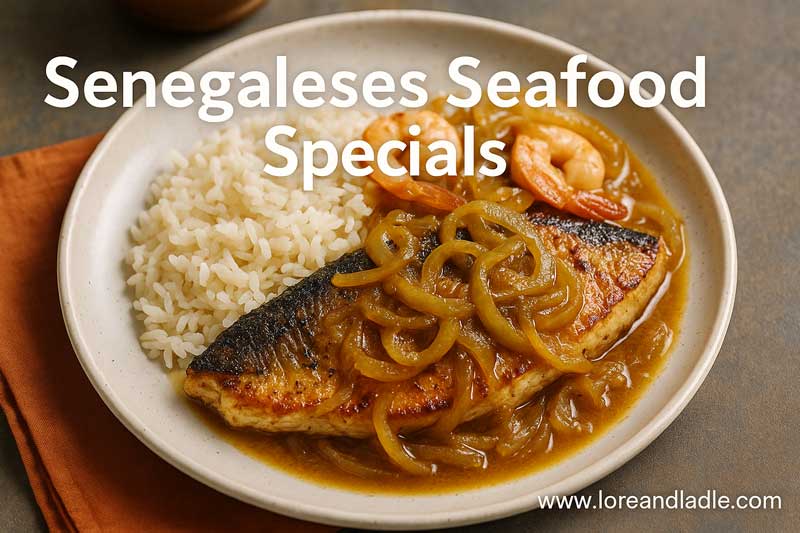
From Dakar to Your Kitchen: An Introduction
From Dakar to your kitchen, this dish invites you to savor shared moments of flavor. Crispy fish pastels are small pastries filled with seasoned fish and bright herbs. A lemon dip adds a clean, sunny note to every bite. The dish shines in everyday meals and in festive gatherings alike. It celebrates craft, patience, and the joy of cooking together. In this post, we explore its cultural value and culinary significance with warmth and respect.
The Craft Behind Crispy Pastels
Pastels are pocket-sized pastries that feel comforting in the hand. A thin, tender dough wraps a filling of fish seasoned with onion, garlic, pepper, and parsley. The filling stays moist inside a crisp crust. Chefs fry at steady heat to lock in moisture and achieve a golden color. The technique teaches balance: delicate dough, juicy center, crisp edge. The shape invites people to pick one up, share, and pass it along. Every bite becomes a small celebration of skill and patience.
The Lemon Dip: A Bright Counterpoint
The lemon dip brings brightness to the plate. It blends lemon juice with a touch of oil, salt, and fresh herbs. The zest adds a perfumed note that lingers on the palate. This dip cuts through the richness of the fish, lifting flavors rather than overpowering them. It invites dipping, tasting, and adjusting to personal preference. When paired with the pastels, it helps create a balanced arc of flavor from first bite to last.
Sharing Moments: Food as a Family Experience
Families and friends gather around the cooking space or the dining table. The aroma travels through the room and draws people closer. Small bites become conversation starters. Laughter and stories mingle with the crackle of frying. The act of preparing and sharing pastels creates memory, a thread that ties cooks to guests. This meal builds a sense of belonging and delight in togetherness. In every kitchen, it becomes a warm ritual of care and hospitality.
Variations, Ingredients, and Traditions
Local fish choices vary by coast and season, yet the technique stays constant. Common fillings use white fish fillets or minced fish, seasoned with onion, garlic, chili, and parsley. Some cooks add finely chopped tomato for color and a touch of sweetness. The dough can be store-bought or handmade, either light and flaky or a touch sturdier for easy sealing. Across kitchens, the method holds steady: a crisp shell guarding a flavorful center, ready to be shared with friends and family.
Practical Tips for Home Chefs
Chill the dough before filling to help edges stay crisp. Keep the fish filling moist but not watery. Use oil at steady heat, around 180°C (350°F). Fry in small batches to avoid crowding, which keeps every pastel evenly colored. Drain on a rack or paper towels to remove excess oil. Serve the pastels hot with the lemon dip for maximum aroma. Prepare components ahead of time, then assemble and fry just before serving for best texture.
Serving, Savoring, and Pairings
Pair the dish with a simple green salad or a citrusy beverage to refresh the palate. A light herb sauce or a tomato-onion side can add complementary brightness. The pastels and dip pair well with warm conversations and easy music, making the meal welcoming. For variety, offer a small assortment of fillings or spice levels so everyone can find a favorite. The meal becomes an invitation to slow down and enjoy.
A Gentle Close
From Dakar to your kitchen, crispy fish pastels with lemon dip invite shared smiles and gentle gratitude for good cooking. The dish values craft, warmth, and flavorful balance. It honors the beauty of hands at work and the pleasure of gathering around a table. In every bite, we taste texture, aroma, and a moment of connection that enriches daily life.