
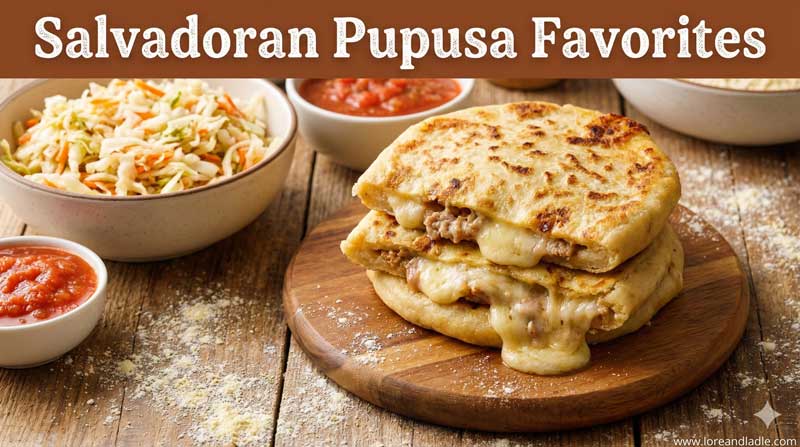
From El Salvador to Your Kitchen: classic cheese and bean pupusas
This dish travels from the warm kitchens of El Salvador into homes around the world. It showcases how simple ingredients can become a comforting, soulful meal. The cheese and bean pupusa stands as a scene of everyday life—bright with aroma, soft with texture, and inviting to share. Every bite holds a quiet celebration of craft, care, and community.
A cultural heartbeat in every bite
Pupusas are more than food. They are a familiar voice at family meals, a comforting ritual on Weekend Gatherings, and a familiar friend at markets and fairs. The cheese and bean version is especially beloved for its balance of richness and earthiness. The simple pairing speaks to values of practicality and warmth: everyday ingredients, transformed with skill and patience into something that feels special. The dish invites conversation, smiles, and a sense of belonging, making it a steady thread in the tapestry of Salvadoran food culture.
The humble filling: cheese and beans
The filling is where memory and flavor meet. Soft, melty cheese with a gentle, salty bite blends with smooth, mashed beans. The result is mellow and satisfying, with a comforting, creamy middle. The filling honors two Pantry Staples—dairy and legumes—that appear in many homes. This combination creates a well-balanced contrast to the crisp exterior, delivering depth without fuss. It’s a reminder that restraint in ingredients can yield a dish with lasting appeal.
The masa: corn speaking its own language
The masa dough is the true foundation of pupusas. Made from ground corn, water, and a touch of salt, it embodies the region’s affinity for corn as a staple. When the dough is worked, rested, and formed into discs, it carries a soft resilience. The corn flavor shines through, tying the cheese and bean filling to the land in a gentle, approachable way. This simple dough shows how corn can become a vehicle for texture, aroma, and tradition.
Craft in motion: shaping and cooking
Shaping a pupusa is a careful, confident act. A small scoop of filling disappears into the center of a round of dough, then the sides are pinched to seal a tidy pouch. The result is a flat, thick disk with a bright center, ready to meet a hot griddle. On the pan, the outside toasts to a light crust while the inside remains tender. Timing matters, but the rhythm is forgiving, inviting cooks to engage with the dough, the filling, and the heat. The process itself is a quiet lesson in patience and craftsmanship.
Plating and pairing: curtido, salsa, and social warmth
Pupusas shine when served with curtido—a crisp cabbage slaw with a zing of vinegar and carrots—and a bright salsa roja. These sides lift the dish, adding crunch and brightness that contrast with the soft interior. Sharing pupusas with others creates a moment of connection: a plate passed around, questions about technique exchanged, and cheerful tasting notes shared. The ritual of serving reinforces the sense that cooking is a generous act and that meals are occasions to come together.
Home kitchen tips to honor the tradition
- Use fresh masa harina mixed with water and a pinch of salt for a pliable dough.
- Keep the filling proportions balanced so the wrapper stays thick but not crowded.
- Rest the formed dough briefly before shaping to help it hold its shape.
- Cook on a medium-hot surface for a light crust while keeping the center moist.
- Pair with traditional curtido and salsa roja to echo the cultural pairing that many households cherish.
A dish that travels with flavor and memory
From El Salvador to your kitchen, the cheese and bean pupusa carries a respectful simplicity. It honors everyday cooking while inviting curiosity about texture, aroma, and technique. The dish teaches that tradition can be approachable, and that a humble combination of cheese, beans, and corn can become a beloved centerpiece. In every bite, the dish reveals a long-standing conversation between land, craft, and shared meals. It remains a gentle, generous reminder that good food grows from the care we bring to the kitchen and the company we keep at the table.