
From Georgia to the U.S.: Discover beginner-friendly khinkali at Home
Khinkali, the beloved Georgian dumplings, travel well from bustling kitchens in Tbilisi to cozy homes in the United States. This dish is more than food; it is a gentle lesson in balance. In every bite you taste a tender dough, a flavorful filling, and a pocket of warm broth. The experience invites conversation, patience, and appreciation for craft. In this post, we celebrate khinkali’s cultural value and culinary significance. We also offer a beginner-friendly path to making them at home, with care and respect for the tradition.
A Dish with a Story: Khinkali in Georgian Culture
Khinkali embodies hospitality and shared meals. Families gather around the table, each dumpling a small gesture of welcome. The act of eating together emphasizes generosity, patience, and presence. The dumplings appear in markets, homes, and festive occasions alike, linking everyday cooking to special moments. The generous folds and the aroma tell a story of local farming, simple spice blends, and time-honored technique. In short, khinkali connects people through taste, touch, and talk.
The Core of Khinkali: Dough, Filling, and Fold
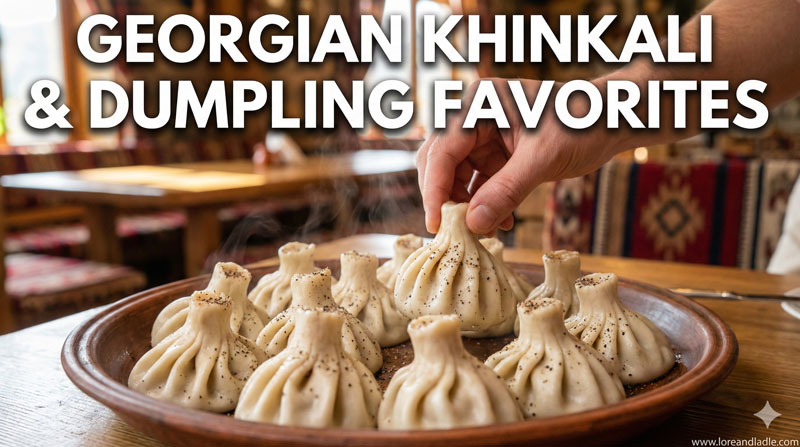
The dish rests on three fundamentals. The dough should feel elastic and soft, ready to hold its shape. The filling centers on meat, onions, garlic, and fresh herbs. Finally, the fold is the signature. A tight, skillful pleat creates a sturdy pouch that traps the savory juices inside. Each element enhances the others, making the dumpling feel light yet deeply flavorful. When combined, these parts form a dish that is comforting and bright at once.
The Pleating Craft: A Skill Grows with Practice
The hallmark of khinkali is the pleated edge. Start with a round dough disk and place a spoonful of filling near the center. Bring the edge of the dough up and pinch, then twist the top to seal. Repeat in a circular fashion until you form six to eight even folds. With practice, the folds become quicker and firmer. The result is a dumpling that looks as elegant as it tastes. The process itself is a small ritual, inviting calm focus and careful hands.
Hospitality and Shared Meals: Khinkali in Georgia
In Georgia, food is a way to connect. A plate of khinkali opens room for conversation and laughter. People take turns serving others and offering the first bite. The broth inside the dumplings rewards careful biting and sipping. This moment underscores respect, generosity, and joy in togetherness. When you bring khinkali into your own kitchen, you join a timeless table of sharing and warmth.
Simple, Beginner-Friendly Khinkali at Home in the U.S.
You can enjoy khinkali with confidence, even if you are new to dumplings. Start with a straightforward dough and a balanced filling. Use kitchen tools you already own, and keep the process calm and steady. The goal is to learn by doing, not to chase perfection on the first try. In your own home, you can savor the scent, practice the folds, and refine your touch over time.
- Dough basics: mix flour, water, a pinch of salt; knead until smooth; rest briefly.
- Filling ideas: ground meat with onion, garlic, salt, pepper, and chopped herbs.
- Folding: aim for six to eight even pleats and a sealed top.
- Cooking: simmer in salted water until they float gently, then finish in the broth.
Ingredient Choices for Home Kitchens
You can adapt khinkali to what’s available locally. Ground beef, pork, or lamb are common choices. If you prefer, you can blend meats for tenderness. Onions and garlic form the savory backbone, while cilantro, parsley, and dill brighten the mix. Fresh black pepper adds a gentle bite. For dough, a soft all-purpose flour works well; some cooks add a touch of oil for extra elasticity. If you like, you can use store-bought round dumpling wrappers as a starting point, then move to a homemade dough later.
Techniques for Shape, Bite, and Broth
A good khinkali offers a satisfying bite and a comforting kiss of broth. Roll out circles about 3.5 to 4 inches in diameter. Place a heaping teaspoon of filling in the center. Pinch and twist the edges in a consistent pattern to form six to eight folds. When boiling, add the dumplings slowly to a deep pot of gently salted water. Cook until they rise to the surface and then simmer a few minutes more to heat through. The broth inside will stay hot and flavorful if the dough is well sealed. Taste and adjust salt or herbs as you go.
Serving and Tasting: The Table Experience
Serve khinkali warm with a simple garnish of herbs. A light sprinkle of ground pepper can enhance the aroma. For a traditional touch, offer a clear broth spoon nearby to savor the juices inside each dumpling. Pairing with a crisp white wine or a sparkling beverage can elevate the meal, yet khinkali also shines as a comforting, standalone dish. The experience is slower and mindful, inviting guests to pause and enjoy the moment.
Embracing the Craft: Mindful Cooking Moments
Cooking khinkali invites patience and curiosity. Approach each fold as a small sculpture, and each bite as a chance to listen to flavors. The process rewards careful attention, not haste. This is a chance to connect with a regional technique while making it your own. As you cook, you cultivate a sense of place in your own kitchen and honor a traditional method through careful practice.
A Warm Conclusion: Bridging Kitchens Through Flavor
Khinkali carry culture in their curves, aroma in their broth, and quiet lessons in their folds. They offer a bridge from Georgia to your home in the U.S., inviting beginners to explore a new culinary language with confidence. With simple steps and reverent care, you can bring a piece of Georgian food culture into daily life. Enjoy the journey, the flavors, and the shared table that awaits you.