
From Georgia to the U.S.: Discover everyday Georgian home-style dinners at Home
Step into a dining experience that celebrates warmth, seasonality, and simple, honest flavors. This is the story of everyday Georgian home-style dinners arriving at Home, where meals are more than sustenance—they are acts of care, conversation, and shared culture. In these dishes, Georgian culinary values shine: hospitality, balance, and a reverence for fresh ingredients. The journey from Georgia to the U.S. offers a window into daily life at the table, where meals are ordinary in form but rich in meaning.
The heartbeat of Georgian home cooking
Georgian cooking thrives on the idea that food is a welcome, a way to honor guests, and a daily practice. Home-style dinners center around fresh herbs, garden vegetables, garlic, walnuts, and cheeses. Every bite carries a sense of place—the herbs that perfuse a kitchen in spring, the aroma of dough baking, the comforting pull of a well-seasoned pan. These meals honor seasonality and craft, inviting cooks to work with what’s on hand and to trust simple techniques to unlock depth of flavor. The result is cuisine that feels intimate and timeless, yet always relevant to a modern home kitchen in America.
Everyday dishes and ingredients that tell a story
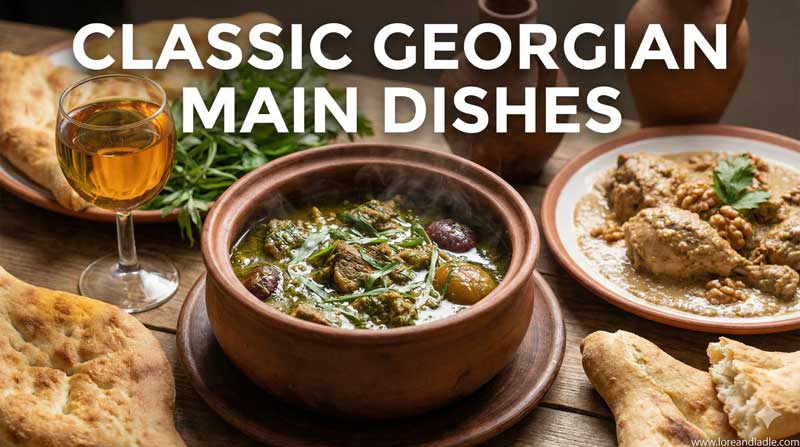
Georgia offers a pantry of flavors that appear again and again in home dinners. Think khachapuri, the beloved cheese bread whose doughy crust holds a warm, melted center; khinkali, hearty dumplings bursting with savory fillings; and lobio, a red bean stew bright with herbs and garlic. Pkhali, walnut-based paste with vegetables, and badrijani nigvzit, eggplant slices layered with walnut mixture, appear as vibrant contrasts of texture and color. Core ingredients include walnuts, dill, cilantro, parsley, garlic, grape oil, sour herbs, and fresh cheese. This repertoire speaks to a culture that elevates everyday ingredients into comforting, celebratory meals. When these dishes travel to Home, they bring a sense of homey abundance—bright herb notes, creamy cheese, and the gentle warmth of slow-cooked stews.
Techniques and rituals that lift simple ingredients
Georgian home cooking blends practical technique with a touch of ceremony. Dough is kneaded with care, then rested to develop tenderness. Dumplings are folded with patience, crimped edges adding texture. Simmering pots release slow, layered flavors, while bread baked to a golden crust provides a comforting contrast to soft fillings. Even the simplest plate becomes a study in balance: the salt of walnuts against the freshness of herbs, the tang of lightly fermented vegetables with the gentleness of cheese. These techniques are accessible, encouraging cooks in any kitchen to reproduce authentic flavor. The rituals—from kneading to plating—build a rhythm that turns ordinary dinners into small, daily celebrations of craft.
Bringing a taste of Georgia to American tables
At Home, everyday Georgian dinners are presented with clarity and warmth. The aim is accessibility without sacrificing authenticity. Ingredients can be sourced locally, with thoughtful substitutions that preserve character: a soft cheese that melts just right, herbs that brighten without overpowering, and dough that yields a tender chew. The meals emphasize balance and generosity, inviting family members to help shape the dish, taste as they cook, and share stories around the table. This approach makes Georgian home cooking approachable for American households, encouraging cooks to experiment with textures and contrasts while keeping the essence of Georgian flavors intact. The result is a bridge between kitchens—where old-world appreciation meets new-world practicality.
Savoring together: presentation, pairing, and hospitality
The beauty of these dinners lies in how they invite togetherness. A hot khachapuri placed center stage becomes a shared moment of indulgence, while bowls of lobio and pkhali offer color and texture that invite passing the dish around. Pairing ideas enhance the experience: a crisp white with herb-forward dishes, a light red that complements bean stews, or a glass of Georgian-style wine to echo the region’s wine-friendly palate. For non-alcoholic options, mint tea or fragrant mineral water with lemon can cleanse the palate between bites. Presentation matters too—garnishes of fresh herbs, a drizzle of grape oil, and neat, approachable portions help create a table that feels welcoming and generous. In this setting, hospitality shines as a culinary practice: inviting guests to Share, taste, and savor together.
A closing note on culture, flavor, and home
These Georgian home-style dinners represent more than a menu. They celebrate a culture of everyday care—the practice of turning simple ingredients into comforting meals, the joy of sharing, and the artistry found in traditional techniques adapted for modern kitchens. By bringing this cuisine to Home, the experience becomes a gentle celebration of connection, flavor, and the enduring beauty of cooking as an act of welcome. If you seek food that speaks of family meals, seasonal abundance, and respectful, straightforward craftsmanship, these dinners offer a warm invitation to explore Georgia’s culinary heart from the comfort of your own table.