
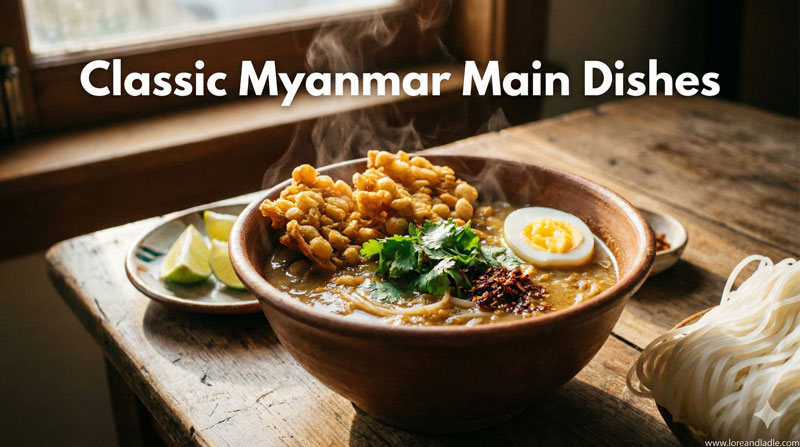
Welcome to Fun Weekend Cooking Projects with Classic Myanmar Main Dishes
This article introduces a joyful idea: spend a weekend exploring classic Myanmar Main Dishes through small, doable cooking projects. The goal is to honor culture through food. Each project highlights how people in Myanmar cook, share, and savor meals together. Expect vibrant flavors, comforting textures, and stories that connect family, markets, and daily life.
The Cultural Value of Myanmar Main Dishes
Myanmar main dishes are more than meals. They are rituals of gathering and hospitality. A pot on the stove signals welcome and conversation. Shared bowls and steaming plates invite storytelling and laughter. The dishes reflect a deep respect for seasonal ingredients, local markets, and regional diversity. You will notice a balance of herbal brightness, warm spices, and savory depth. This harmony mirrors a daily sense of care and community that lasts from home kitchens to family feasts.
Core Flavors and Techniques in Burmese Cooking
The heart of these dishes lies in fresh ingredients and purposeful technique. Fresh herbs lift every bite. Sour notes come from lime or small tamarind touches. There is a gentle sweetness from coconut or palm sugar in some curries. Salt flavors are often layered with fish sauce, fermented pastes, and dried seafood pastes. The two most common foundations are a clear, fragrant broth or a rich, coconut-based sauce. Pastes blended from garlic, shallots, turmeric, lemongrass, and chili build deep, aromatic bases. Slow simmering, careful tasting, and deliberate layering create meals that feel both comforting and refined. These methods invite patience and attention—traits that many families prize during long weekend sessions.
Project 1: Mohinga-Inspired Fish Noodle Broth
Mohinga is a signature main dish in many households. This project tones it down into a comforting broth that focuses on balance and aroma. Learn to create a bright fish stock, gently simmered with lemongrass, garlic, shallots, and a touch of turmeric. Add a savory fish sauce lift and a squeeze of lime toward the end. Serve with soft rice noodles and fresh herbs. This project teaches how a simple broth can carry layers of flavor, reflecting how Burmese cooks honor every ingredient and every bite.
Project takeaway: You experience the respectful patience of simmering and the joy of serving a warm, bright bowl to people you love.
Project 2: Ohn No Khao Swè–Inspired Coconut Noodle Soup
This project centers on a coconut-based noodle soup that feels creamy yet bright. Begin with a gentle coconut milk base, seasoned with garlic, shallots, and a hint of turmeric. Introduce chicken or fish for substance, then finish with lime, fish sauce, and a whisper of chili. The result is a comforting bowl that feels luxurious but still simple enough for a weekend. You learn how coconut carries aroma without overpowering other flavors. It reminds us how Burmese meals often weave richness with balance.
Project takeaway: You discover how a single pot can deliver warmth, fragrance, and a sense of home.
Project 3: Burmese Curry Plate with Aromatic Paste
Curry is a central pillar in Myanmar cooking. For this project, make a fragrant paste by pounding garlic, shallots, dried chili, turmeric, and a hint of ngapi for depth. Sauté the paste, then build a vibrant sauce with tomatoes or tamarind, coconut milk, and your choice of meat or vegetables. Simmer until tender and glossy. Serve over rice with a fresh herb garnish. This project highlights how a well-made paste defines the dish, linking technique to tradition. It also shows the generosity of Burmese curries, where a single pot becomes countless conversations around the table.
Project takeaway: You learn to respect the layering of flavors that only comes with time and care.
Project 4: Fresh Herb Rice Plate with Savory Veggies
A simple, fragrant rice plate often appears on family tables. For this project, cook fluffy rice and prepare a quick stir-fry of vegetables with garlic, shallots, and a splash of soy or fish sauce. Finish with chopped fresh herbs—cilantro, dill, and a hint of Thai basil. The dish is bright, satisfying, and versatile. It showcases how Myanmar cooks use herbs to lift everyday meals and to invite light, fresh notes into a hearty plate.
Project takeaway: You see how a humble plate can celebrate seasonality and herbaceous brightness.
The Broader Significance: Food as Family, Market, and Memory
These weekend projects connect you to a broader food culture. Markets supply fresh fish, leafy greens, and vibrant herbs. Home Cooks transform those gifts into meals that light up a room. The process is a shared ritual—tasting, adjusting, and presenting. The dishes honor growers, gatherers, and neighbors who share recipes and stories. Through this practice, the cuisine becomes a living tradition, evolving with each household while keeping core flavors and hospitality intact.
Practical Tips for Successful Weekend Projects
- Plan ahead: Gather ingredients on market day to enjoy peak freshness.
- Balance flavors: Taste and adjust lime, salt, and spice in small steps.
- Use clear stock bases: A good broth or coconut base makes the difference.
- Keep textures varied: Add herbs, crunchy toppings, or soft noodles for contrast.
- Share and reflect: Sit together, savor, and discuss what flavors reminded you of.
Closing: A Weekend Tradition in Every Kitchen
Fun Weekend Cooking Projects with Classic Myanmar Main Dishes invites you to slow down and savor cultural flavors. Each project reveals how technique, ingredients, and hospitality come together in Burmese cooking. The dishes celebrate community, seasonal produce, and the beauty of balanced flavors. Start with one project this weekend, and let the kitchen become a place where stories are cooked as generously as meals are shared.