
Gado-Gado Salad: A Colorful Indonesian Classic
Gado-Gado Salad is a bright, comforting dish that speaks softly about Indonesian taste artistry. It brings together a garden of vegetables, softly cooked or crunchy, with a velvety peanut sauce that ties every bite into one harmonious moment. This dish offers more than flavor; it carries a sense of balance, generosity, and everyday care. In the United States, fans of Indonesian cooking often reach for Gado-Gado as a centerpiece that invites all ages to share the table. The beauty lies in its contrasts: cool greens meet warm sauce, soft tofu meets crisp cucumber, and smooth peanut cream wraps around every vegetable. The result is an approachable, versatile dish that fits both weeknights and gatherings.
The Peanut Sauce: Heart and Harmony
The peanut sauce is the soul of Gado-Gado Salad. It blends roasted peanuts, a touch of sweetness, a bright tang from lime or tamarind, and a whisper of spice. The sauce is creamy but not heavy, silkier than a dip and thicker than a sauce, offering a gentle coating that clings to vegetables without overpowering them. Indonesians often say the sauce should invite you to dip, not overwhelm the vegetables. In this way, the sauce becomes a bridge—between sweet and savory, between plant-forward produce and protein, between home kitchen technique and a shared table. Mastering the sauce is a small culinary achievement that rewards careful balance and fresh ingredients.
A Rainbow of Vegetables: Fresh, Local, Seasonal
Gado-Gado celebrates the produce of the season. Typical selections include blanched or lightly steamed green beans, spinach, cabbage, bean sprouts, carrots, cucumbers, and potato slices, along with leafy greens and sometimes other favorites like broccoli or kale. The vegetables offer a spectrum of colors, textures, and flavors. This rainbow-on-a-platter approach makes the dish visually inviting and nutritionally satisfying. In homes across Indonesia, the vegetable array is often chosen for freshness and availability, then prepared quickly so each item retains its character. In the United States, shoppers can source these ingredients from farmers’ markets or well-stocked grocers, keeping the spirit of the dish intact while adapting to local produce.
Protein Partners: Tofu, Tempeh, and Eggs
Protein is the gentle anchor in Gado-Gado Salad. Tofu and tempeh are common partners, cut into cubes and lightly fried or simply warmed to preserve their delicate textures. Hard-boiled eggs are a classic addition, offering a creamy richness that complements the peanut sauce. These proteins provide satisfaction and balance without overshadowing the vegetables and sauce. The result is a dish that feels nourishing and inclusive, great for meat-free meals, family lunches, or a light main course. The way proteins mingle with the vegetables and sauce can become a signature of how a cook approaches Indonesian comfort food at Home.
Crunch and Comfort: Crackers and Fillings
A finishing touch often comes in the form of krupuk (crackers) or other crisp toppings. The crackling sound and the sudden crunch add an exciting dimension to the dish. When the plate is brought to the table, the contrast between soft vegetables, creamy peanut sauce, and crunchy accompaniment elevates the experience. This textural play is a small reminder of how Indonesian cooking delights the senses—color, aroma, texture, and taste all working in concert.
The Meal Foundation: Rice and Tempeh Crunch
Gado-Gado is frequently served with a bed of steamed rice or with a side of lontong (pressed rice cake) in many homes and eateries. The starch helps balance the meal, offering a comforting foundation that makes each spoonful feel complete. Tempeh, when included, adds a nutty bite that harmonizes with the peanut sauce and vegetables. Together, these elements frame Gado-Gado as more than a salad; it is a full, comforting meal that feels balanced and satisfying.
Techniques and Care: Blanch, Chop, and Dress
Preparing Gado-Gado involves simple, respectful technique. Vegetables are blanched or lightly cooked to retain color and crunch. The peanut sauce is whisked until smooth, with careful seasoning to avoid overpowering any single component. Tofu and tempeh are treated gently so their textures shine. Finally, the dish is assembled with care, ensuring the sauce coats each piece evenly and the plate presents a calm, inviting look. These steps reflect a culinary sensibility that values clarity, balance, and a clean palate.
Indonesian Comfort Food Classics for Fans in the U.S.
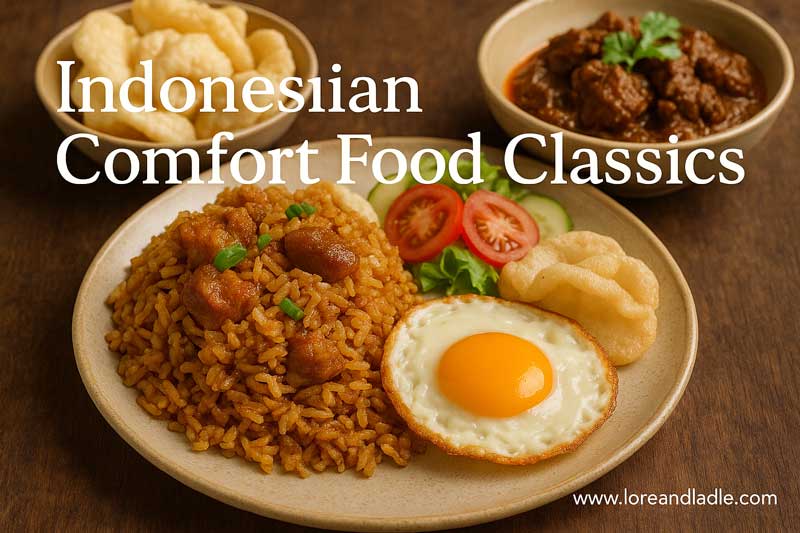
Gado-Gado sits alongside other Indonesian comfort favorites that fans appreciate for home-style flavor and reliable warmth. Nasi goreng (fried rice) offers aromatic savoriness and a cozy, familiar vibe; soto and bakso bring comforting broths and meaty bites with cheerful clarity; rendang, though rich, shares the same thread of slow, patient flavor development and cultural resonance. Together, these dishes form a family of classics that Indonesians in the United States often turn to for special nights, casual meals, and moments that feel like family time. Each dish carries a story of Home Cooking, seasonal ingredients, and a careful balance of spice, aroma, and heartiness.
A U.S. Kitchen Adaptation: Finding Ingredients and Keeping Flavor
In American kitchens, Gado-Gado can shine with accessibility. Peanut butter can be swapped for roasted peanuts ground to a paste when fresh peanuts are not on hand. Fresh lime juice or tamarind paste can provide the needed brightness, while palm sugar or brown sugar gives a gentle sweetness. Fresh vegetables from a nearby market can replace traditional options with little loss of character. The peanut sauce adapts well to substitutions, so cooks can honor the dish’s essence while using what’s on hand. This flexibility helps Indonesian comfort food stay vibrant and practical in diverse settings, from weeknights to potluck gatherings.
Social and Cultural Value: The Table as a Meeting of Taste
Beyond taste, Gado-Gado fosters connection at the table. It is a dish that invites sharing: a central plate for conversation, discovery, and the pleasure of eating together. The act of assembling bowls, mixing sauce with vegetables, and passing crackers around creates a small ritual of welcome. This social dimension is a key part of Indonesian culinary culture: meals become moments of warmth, learning, and appreciation for the work of farmers, cooks, and harvests. In homes across the United States, Gado-Gado serves as a bridge to Indonesian flavors, inviting friends and family to explore a vibrant kitchen tradition with respect and curiosity.
Final Thoughts: Enduring Beauty of Gado-Gado
Gado-Gado Salad stands out as a celebration of balance, color, and flavor. Its peanut sauce binds a careful selection of vegetables, proteins, and textures into a single, comforting experience. As Indonesian comfort food classics find new homes in the United States, this dish remains a vivid reminder of how everyday cooking can honor tradition while embracing new ingredients and methods. The beauty of Gado-Gado lies in its openness: a simple recipe that invites personal touch, seasonal produce, and shared meals. For Indonesian food fans in the U.S., it is a dependable favorite—comforting, respectful, and endlessly adaptable.