
Discover Gado-Gado Salad: A Comforting Indonesian Favorite for Home Cooks
Gado-Gado is more than a dish. It is a warm expression of Indonesian home cooking. In home kitchens, this salad bridges everyday ingredients with a beloved technique. The result is a comforting plate that invites shared bites, bright flavors, and thoughtful preparation. Its cultural value rests in accessibility, balance, and the joy of assembling a plate together.
A Culinary Portrait of Gado-Gado
Gado-Gado centers on a fragrant peanut sauce and a colorful mix of vegetables. Cabbage, spinach, green beans, cucumber, bean sprouts, and potatoes often star in the mix. Tofu and tempeh offer protein and a creamy contrast. The dish is typically finished with sliced hard-boiled eggs and a topping of fried shallots. Home cooks adapt based on what is fresh at the market. The result is a vibrant, nourishing plate that speaks to daily life in Indonesia.
The Signature Peanut Sauce: Flavor That Binds
The peanut sauce is the heart of Gado-Gado. It blends roasted peanuts with a touch of palm sugar, tamarind, and kecap manis for a gentle sweetness. Chili adds warmth, while lime or lemon juice brightens the mix. Blend until smooth, then loosen with a splash of water to reach a glossy, clingy consistency. The sauce ties every vegetable, egg, and protein into one harmonious bite. Each family adds its own fingerprints, making the sauce a personal heirloom.
Textures and Colors: A Visual Comfort
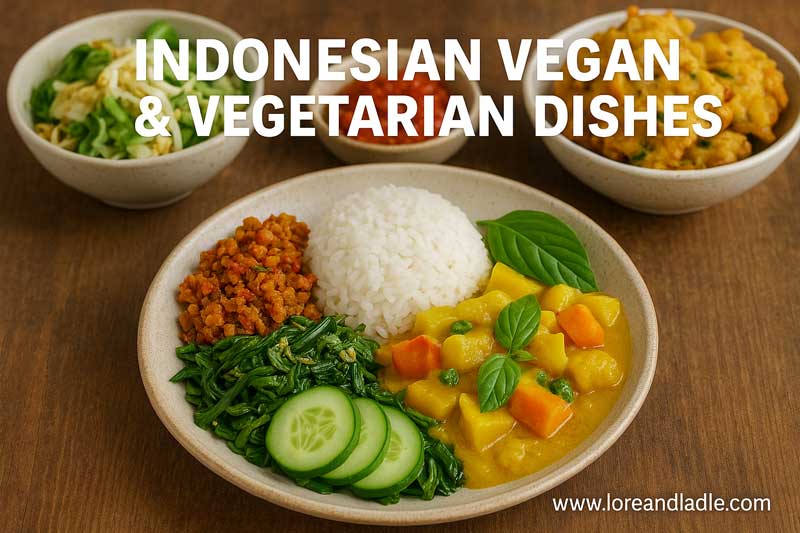
A Gado-Gado plate is a study in texture. Crunchy bean sprouts meet tender potatoes. Fresh cucumber and leafy greens contrast with soft, silky tofu or tempeh. The boiled egg adds a gentle richness, while the sauce blankets the components with creamy sweetness and tang. The visual palette—greens, yellows, browns, and pale whites—enhances appetite and mood. The result is comforting not only in taste but in the calm beauty of a well-balanced plate.
A Practice of Gathering: Home Cooks and Cultural Value
Gado-Gado thrives in the home kitchen. It is practical, affordable, and endlessly adaptable. Families prepare it for everyday meals and for special gatherings with friends. The dish models care: wash, boil, fry, blend, and plate with attention. It teaches balance—vegetables for freshness, peanuts for warmth, and a touch of sweetness for harmony. This ritual of assembly reinforces a sense of place and shared care around the table.
Regional Echoes: Variations Across Indonesia
Across Java, Bali, Sumatra, and beyond, Gado-Gado reflects local produce and tastes. Some versions emphasize more raw vegetables, others include lontong (rice cake) for added heft. The sauce may be adjusted for spiciness or sweetness depending on family tradition. Yet the core idea remains the same: a colorful, comforting salad that honors simple ingredients and thoughtful preparation. This flexibility showcases the richness of Indonesian home cooking without losing the dish’s essence.
Quick Tips for Home Cooks
- Choose a smooth peanut sauce by roasting peanuts lightly and blending thoroughly.
- Cook vegetables firm to keep textures distinct after saucing.
- Keep tofu or tempeh crisp by pan-searing just before serving.
- Let the sauce rest a moment after blending; flavors meld beautifully.
- Garnish with fried shallots and a squeeze of lime for extra brightness.
The Enduring Appeal: Why Gado-Gado Finds a Place in Home Cooks
Gado-Gado stands as a welcoming, versatile Indonesian favorite. It invites cooks to celebrate fresh produce, savory peanut flavor, and careful assembly. The dish rewards patience and experimentation, while remaining grounded in family-friendly comfort. For home cooks, Gado-Gado is a graceful example of how simple ingredients can come together to create something deeply satisfying, culturally rich, and universally inviting.