
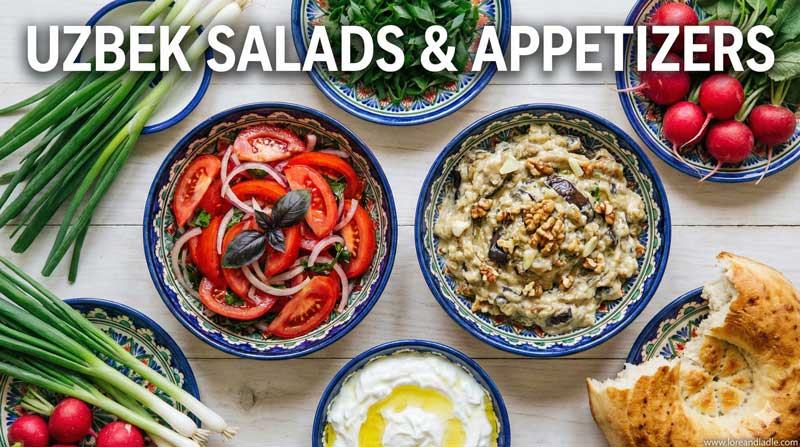
Introduction: Discover Ganfan – Uzbekistani Vegetarian & Vegan Dishes Flavor You’ll Love
Welcome to a flavorful exploration of Ganfan, a dish that celebrates Uzbekistani vegetarian and vegan cuisine. This timeless preparation blends vegetables, grains, and herbs into a satisfying, aromatic dish. Its appeal lies in balance: bright with herbs, hearty with grains, and comforting with slow-simmered flavors. Ganfan invites diners to savor the land and its produce, season after season. In short, it is a celebration of culinary craft, shared tables, and everyday abundance.
What is Ganfan? Ingredients and Preparation
Ganfan centers on wholesome ingredients thoughtfully combined. Think grains such as rice, barley, or millet; legumes like lentils or beans; and a chorus of vegetables—carrots, onions, bell peppers, tomatoes, and greens. Aromatics such as garlic, cumin, coriander, and fresh herbs brighten the pot. The method emphasizes layering flavors: sauté aromatics, toast spices briefly, then blend in vegetables and grains with just enough liquid to bind and simmer until tender. The result is a cohesive dish where each bite carries a hint of warmth, brightness, and depth. For those who favor dairy-free eating, Ganfan shines as a vegan-friendly masterpiece, while traditional touches—such as a dollop of yogurt or a cool herb sauce—offer subtle richness for non-vegans.
Cultural Value: A Dish of Hospitality and Shared Tables
Ganfan is more than sustenance; it embodies Uzbek ideas of hospitality and togetherness. In many households, the kitchen becomes a warm meeting place where recipes are shared and stories are told while the pot simmers. The act of serving a generous portion to guests signals welcome and respect. Thus, Ganfan sustains social bonds as much as bodily needs. The dish also mirrors seasonal living: farmers’ markets supply the freshest vegetables, grains are chosen for their texture and aroma, and herbs bring daily brightness. In this way, Ganfan connects people to family, community, and the rhythms of the year.
Culinary Significance: Techniques That Elevate Flavor
The culinary heart of Ganfan lies in technique. Toasted spices awaken, releasing aroma before they mingle with vegetables. The simmering stage marries grain and vegetable flavors, letting starches texture the dish and carry spice notes evenly. Fresh herbs are folded in at the end to preserve brightness. This sequence—sauté, season, simmer, finish with herbs—creates a harmony that is both comforting and refined. The dish also showcases versatility: cooks can adjust liquid, add leafy greens near the end for tenderness, or switch grains to influence mouthfeel. In every variation, the essence remains the same: a plant-forward dish that respects technique and patience.
Regional Flavors: Variations Across Uzbekistan
Across Uzbekistan, Ganfan takes on regional personality while preserving core traits. In some areas, red peppers and ripe tomatoes add a sunny sweetness; in others, earthy carrots and onions provide a savory base. Some cooks fold in dill or cilantro for bright, delicate notes, while others favor mint for a cooling finish. The grain choice—rice in one village, barley in another—gives a different texture and chew. Despite these nuances, the dish consistently centers on balance: grains for sustenance, vegetables for color and fragrance, and herbs for lift. This regional variety underscores how Ganfan adapts to local ingredients while keeping its spirit intact.
Serving, Texture, and Presentation
Ganfan shines when plated with care. A fluffy bed of grains under a colorful mix of vegetables creates an inviting first impression. A final sprinkle of fresh herbs brightens the dish, and a light drizzle of olive oil or a plant-based sauce can add silken gloss. Because the dish is plant-forward, it pairs beautifully with flatbreads, pickled vegetables, or a cool yogurt substitute for those who enjoy a touch of tang. The presentation honors the eaters and the kitchen: vibrant colors against a warm base, inviting guests to begin with a smile and continue with curiosity.
Health, Sustainability, and Seasonal Enjoyment
Ganfan supports a healthy, sustainable table. It centers on fiber-rich grains and legumes, a variety of vegetables, and herbs with minimal processing. This approach aligns well with plant-based eating, offering nourishment while reducing environmental impact. Seasonal vegetables bring flavor peak to the dish, while flexible grains and legumes help reduce waste by accommodating what is on hand. For those seeking lighter or more festive variations, extra greens or a citrusy finish can be added without compromising the dish’s core character.
Pairings and Occasions
Ganfan pairs well with simple accompaniments that respect its integrity. A crisp cucumber-dill salad, tangy pickles, or a zesty herb sauce can brighten the plate without overpowering the main. For occasions, Ganfan fits Family Dinners, casual gatherings, and celebratory meals alike. Its comfort and versatility make it a reliable favorite that invites guests to enjoy and share.
Conclusion: A Flavorful Bridge to Uzbek Culinary Culture
Discover Ganfan is more than a recipe; it is a doorway into Uzbek culinary culture. It reflects a love of vegetables, grains, and herbs, prepared with care and shared with warmth. The dish honors technique, embraces regional personality, and invites a gentle pace of preparation. Whether you are cooking for yourself, your family, or a group of friends, Ganfan offers a flavorful, welcoming experience. Try this dish to taste the cultural value and culinary significance it represents—the beauty of Uzbek vegetarian and vegan traditions brought to life on a single, satisfying plate.