
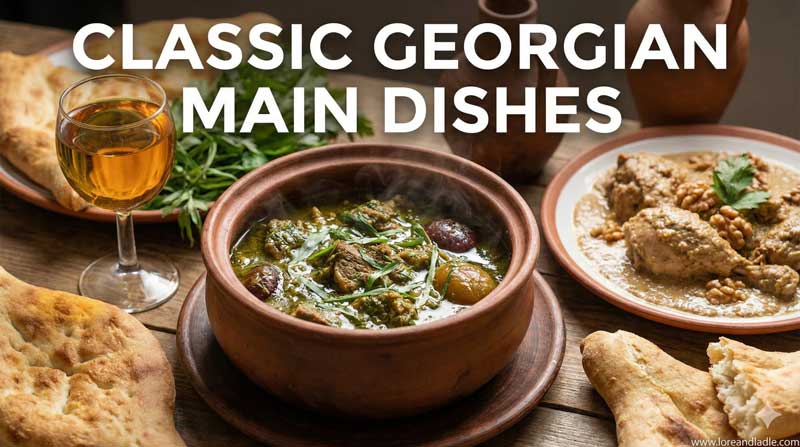
Introduction: Garlic Chicken Shkmeruli at Home in the United States
Garlic chicken shkmeruli is a bright, comforting dish that celebrates simple ingredients and bold flavors. In the United States, Home Cooks can bring this Georgian classic to their table with ease. The recipe centers on a creamy, garlic-forward sauce that envelopes tender chicken. It is a dish of warmth, hospitality, and everyday delight. This post explores its cultural value, its culinary significance, and How to enjoy it in a modern American kitchen.
What makes shkmeruli special: flavor, technique, and texture
Shkmeruli stands out for its garlic-led aroma and its silky sauce. The garlic is not merely a seasoning; it forms the soul of the dish. When gently heated, garlic softens and releases a sweet, nutty perfume. The dairy component—milk, cream, or a mix—creates a smooth, luscious sauce that coats the chicken without heaviness. The result is a balance between brightness and richness, with a touch of pepper and salt to sing through the garlic. This harmony reflects a culture that values generosity at the table and the joy of shared meals. The technique—brown the chicken for color, then finish it in a garlic-cheese dairy sauce—delivers depth and comfort in every bite.
Traditional roots and modern adaptations
Georgian cuisine offers many dishes that honor seasonality, hospitality, and communal eating. Shkmeruli, in particular, evokes family kitchens where garlic is celebrated as a friend to almost every meal. In its home region, cooks may tailor the dairy balance and choose fresh herbs to suit the day’s ingredients. In today’s American homes, cooks adapt shkmeruli with ingredients that are easy to find while preserving its core idea: a garlic-forward sauce that makes chicken feel luxurious. This flexibility helps the dish travel from Georgia to kitchens across the United States, giving it a new audience and a fresh context. The result is a dish that feels both timeless and contemporary, bridging local pantry choices with a traditional flavor profile.
Key ingredients and practical substitutions
- Chicken: bone-in thighs are flavorful and forgiving, but boneless chicken breasts work as well.
- Garlic: generous cloves define the dish’s character.
- Fat: butter or olive oil provides the initial sizzle and a mellow base.
- Dairy: milk, half-and-half, or cream creates the sauce. Optional: a touch of cheese for extra silkiness.
- Seasoning: salt and pepper are essential; a little paprika or chili flakes adds warmth if you like.
- Fresh notes: dill or parsley can brighten the finish.
Substitutions that fit American kitchens:
– Use lactose-free dairy if needed, or a dairy-free cream alternative for a dairy-free version.
– If you prefer, swap chicken breast for bone-in thighs for more moisture.
– For a lighter sauce, use a splash of milk with a thinner cream and reduce slightly.
Step-by-step guide: how to make garlic chicken shkmeruli
- Prepare the ingredients: slice garlic finely, pat the chicken dry, and season with salt and pepper.
- Sear the chicken: in a skillet, heat fat and brown the chicken on both sides until golden. This builds flavor and color.
- Create the garlic sauce: in the same pan, lower the heat and gently sauté minced garlic until fragrant but not burned.
- Add dairy: stir in milk or cream, and bring to a gentle simmer. If you like a thicker sauce, add a small pinch of flour or a splash of cheese.
- Simmer together: return the chicken to the pan and cook on low heat until the chicken is cooked through and the sauce has a glossy, velvety texture.
- Finish and serve: season to taste, sprinkle with fresh herbs, and serve hot.
Tips for success:
– Don’t rush the garlic. Slow, gentle heating preserves aroma without bitterness.
– Let the sauce thicken slightly before adding the chicken back in so every bite is creamy.
– Rest the dish for a few minutes after cooking so the flavors settle.
Pairings, presentation, and the joy of serving
Shkmeruli pairs beautifully with neutral sides that let the garlic sauce shine. Consider:
– Steamed white rice or a light pilaf to soak up the sauce.
– Fresh bread or warm flatbread for dipping.
– A simple green salad with citrus vinaigrette to balance richness.
For beverages, light white wines or crisp sparkling water with a lemon twist complement the garlic notes without overpowering them. In a family setting, present the dish familial-style, letting guests spoon sauce over chicken and pale grains to savor the harmony of flavors.
Cultural value and culinary significance in today’s kitchens
This dish embodies the essence of Georgian hospitality: generous flavors, careful technique, and sharing a comforting meal with loved ones. In the United States, garlic chicken shkmeruli offers a link to another culinary tradition. It invites home cooks to explore a sauce that feels both indulgent and approachable. The recipe highlights how simple ingredients—garlic, dairy, and chicken—can create a refined, restaurant-worthy experience at home. It also demonstrates how cultural foods can travel, adapt, and enrich everyday cooking without losing their core identity. By embracing shkmeruli, cooks honor craft, seasonality, and the joy of welcoming others to the table.
A practical note on accessibility and kitchen confidence
This dish is accessible to cooks at many levels. Start with familiar ingredients, and adjust the dairy and garlic to suit taste and dietary needs. The method emphasizes technique over complexity: brown the chicken for texture, then finish in a creamy, garlic-scented sauce. With a little practice, garlic chicken shkmeruli becomes a reliable crowd-pleaser that can be prepared for weeknight dinners or special-occasion meals alike. In the United States, this means a flexible recipe that fits a busy schedule while delivering a sense of culinary discovery.
Closing thoughts: a welcoming culinary moment
Garlic chicken shkmeruli invites curiosity and celebration in every kitchen. It is a dish built on comfort, aroma, and the pleasure of sharing food. By embracing its garlic-forward sauce and tender chicken, home cooks can create a memorable dining moment that reflects the beauty of Georgian flavors and their generous spirit. In this way, the dish becomes more than a recipe; it becomes a small celebration of culture, craft, and connection at the table.