
Introduction: From Georgia to the U.S.—A Warm Welcome to Mushroom-Filled Khinkali
From Georgia to the U.S., a humble dumpling can carry a world of warmth. The mushroom-filled vegetarian khinkali invites Home Cooks to celebrate craft, seasonality, and hospitality. This dish honors Georgian culinary values while offering a plant-based path that respects texture and aroma. In these pages, we explore its cultural value and culinary significance with clear, inviting language. The result is a meal that feels both timeless and new, made in the rhythm of home.
What is Khinkali? A Georgian Dumpling Tradition
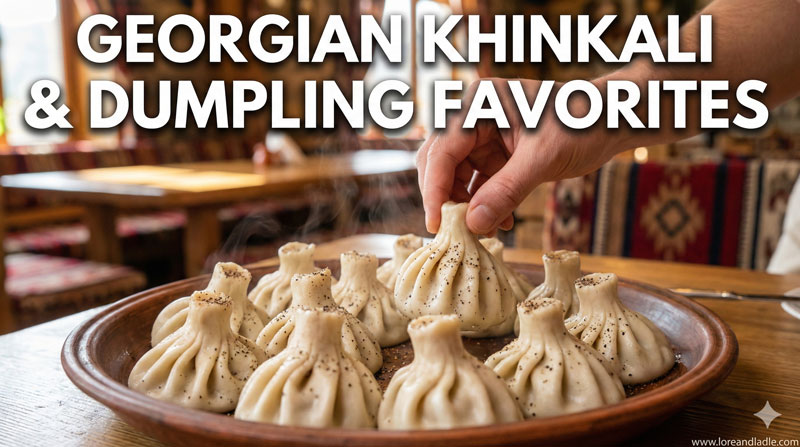
Khinkali are dough pockets that cradle a generous filling. The exterior is a thin, supple skin that folds into a traditional pleated top. In Georgia, they are boiled until the skins glow and the interiors stay steaming hot. The hallmark is balance: a sturdy bite on the outside, a juicy center inside. Classic fillings pair onions, herbs, and meat, yet the core idea remains the same—dough and filling fuse into one comforting ritual. The dish is as much about technique as it is about flavor.
The Mushroom-Filled Vegetarian Twist
The vegetarian version centers on mushrooms, which deliver umami and moisture without sacrificing depth. Sautéed mushrooms mingle with onion, garlic, and a chorus of fresh herbs such as dill, parsley, and green onion. A touch of salt, pepper, and perhaps a splash of soy or lemon brightens the mix. This filling preserves the generous, juicy center that khinkali are known for, while offering a plant-forward option that remains faithful to the spirit of the dish. The result is a fragrant, satisfying bite that respects both tradition and contemporary tastes.
Crafting the Dough and Pleating
The dough begins with simple ingredients: flour, water, and a pinch of salt. Kneading yields a smooth, elastic sheet that invites rolling. Each circle is filled with a measured spoonful of mushroom mixture, then sealed with careful pleats. The top knot, formed by a final pinching, becomes a sign of the craft. This process is more than technique; it is a pause for focus and care. When the dumplings are gathered, they feel like small treasures, ready for the pot or a gentle pan finish.
Cultural Value: Hospitality, Family, and Shared Tables
Khinkali in Georgia has long stood at the center of gathering tables. They are shared with friends, family, and guests, turning a meal into an act of welcome. The act of wrapping, cooking, and presenting each dumpling becomes a conversation—about patience, skill, and generosity. In American homes, the mushroom-filled version preserves this sense of hospitality. It invites cooks to build a ritual around folding, boiling, and serving, reinforcing a warm, inclusive atmosphere at mealtime.
Culinary Significance: Texture, Umami, and Balance
The dish sings when texture and aroma intertwine. The dough offers a supple bite that yields to a juicy interior. Mushrooms bring a savory depth that pairs beautifully with herbs and onions. The balance is gentle: the dough should not overpower the filling, and the filling should not overwhelm the wrapper’s tenderness. This harmony makes mushroom-filled khinkali a noteworthy adaptation—respectful of tradition while embracing plant-based flavors that resonate with modern kitchens.
Cooking at Home in the United States: Accessibility and Adaptation
Home cooks in the U.S. can source reliable mushrooms such as cremini, shiitake, or oyster varieties. Fresh herbs are plentiful in markets, and flour, onions, and garlic are pantry staples. The process scales well: a dozen dumplings for a shared meal, or a larger batch for a weekend gathering. If you prefer, you can adjust the filling with extra mushrooms or a splash of vegetable stock to heighten moisture. The result remains approachable, comforting, and richly flavorful.
Serving and Savoring: Rituals and Pairings
Serve khinkali hot, with a light garnish of cracked black pepper. Traditional practice invites dipping or gentle sipping of broth from the first bite, savoring the interplay of dough and filling. They pair nicely with a crisp white wine, a bright herb salad, or a yogurt-based dip that echoes the dish’s freshness. A squeeze of lemon can lift the aroma, while a simple green herb scatter brightens the plate. The experience is about savoring aroma, texture, and the joy of sharing.
Conclusion: A Delicate Bridge Between Kitchens
From Georgia to the U.S., mushroom-filled vegetarian khinkali offers a meaningful bridge between two places of culinary pride. It honors Georgian technique, celebrates plant-based cooking, and invites home cooks to practice hospitality at the table. With careful folding, fragrant filling, and mindful serving, this dish becomes more than a meal—it is a quiet celebration of craft, culture, and the beauty of good food made at Home.