
From Georgia to the U.S.: Discover skillet khachapuri for weeknights at Home
This dish travels with warmth and hospitality. Skillet khachapuri brings bread, cheese, and a gentle egg together in one pan. It feels special enough for a weekend table, yet friendly for weeknights. In every bite, you sense a long tradition of craft, sharing, and simple luxury. The dish celebrates how Home Cooking can carry a culture’s voice into a modern kitchen. It invites you to slow down, bake, and savor.
What is skillet khachapuri?
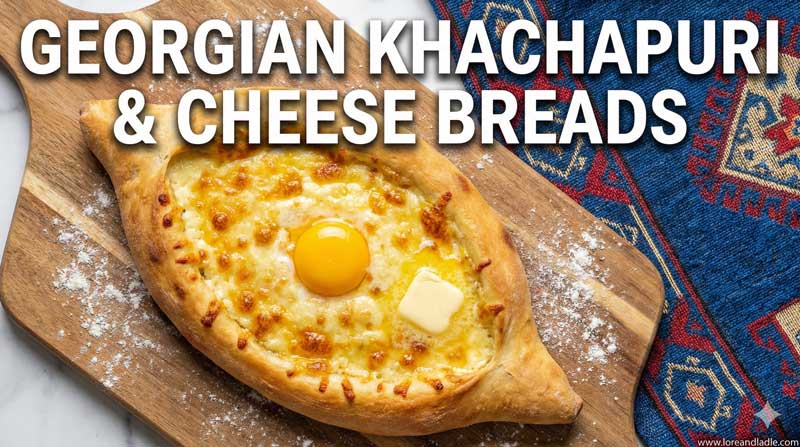
Skillet khachapuri is a name that hints at both method and magic. The base is yeasted dough, rolled into a circle that fits a sturdy skillet. The center hosts a creamy cheese filling, often built from a blend that may include sulguni, mozzarella, and sometimes feta for a tangy note. The dough edges rise as they bake, cradling the filling with a golden crust. A lightly browned surface adds texture, while a sunny egg crowns the dish just before serving. The result is a single, comforting disk that delivers warmth, richness, and a cheerful pop of brightness from the egg.
A Georgian kitchen essential
Khachapuri is a cornerstone of Georgian cooking. The term literally means bread with cheese, and the dish appears in many regional styles. Imeruli varieties emphasize a soft, cheese-forward interior, while Adjaruli versions showcase a boat shape and a runny egg that bleeds into the cheese. Each style speaks to local tastes, harvests, and family routines. The skillet version honors this spirit with practicality and heart. It is a proud, everyday expression of Georgian hospitality—bread, cheese, and care shared around a table.
Weeknight appeal in the U.S.
In American homes, weeknights call for meals that feel special without demanding hours in the kitchen. Skillet khachapuri fits beautifully. It comes together with pantry-friendly cheeses and a few fresh touches. It bakes quickly enough to serve soon after leaving work or school. The dish adapts to what you have on hand—different cheeses, herbs, or a splash of olive oil can tailor the flavor without losing its essence. Served with a crisp salad or pickles, it becomes a complete, balanced meal that feels comforting and celebratory at once.
Flavor, texture, and technique
The beauty of this dish lies in contrast. The crust offers a crisp edge and a soft, chewy interior. The cheese center melts into a creamy pool, inviting you to scoop and drip over the dough as the egg yolk softens. A sprinkle of fresh herbs—dill, parsley, or chives—brightens the richness. For cheese choices, sulguni is a classic Georgian favorite, bringing a milky stretch and a mild tang. If sulguni isn’t available, a blend of mozzarella with feta or ricotta can echo that balance. A light brush of butter or olive oil around the rim adds a glossy finish and extra tenderness.
Serving ideas and traditions
Serve the dish hot, right from the skillet. Slice it into wedges and present it with simple accompaniments: a fresh green salad, crisp pickles, and a squeeze of lemon on the egg if you like a zippy note. A final scatter of chopped herbs makes the plate sing. This dish shines in its simplicity, yet it delivers a sense of celebration that suits family dinners and intimate gatherings alike. Leftovers can be reheated gently in a skillet to recapture the crust and cheese pull.
Easy tips for home cooks
- Choose the right skillet: a heavy cast-iron pan or a sturdy nonstick skillet helps achieve an even, golden crust.
- Let the dough rest: a brief rise makes the crust more tender and easier to roll.
- Cheese matters: a classic sulguni melt is ideal; mix in mozzarella for stretch and feta for tang if needed.
- Don’t rush the egg: add the egg toward the end of baking so the yolk becomes creamy but remains intact.
- Finish with oil or butter: a light touch at the rim adds flavor and color.
The cultural value of a shared skillet
This dish embodies everyday artistry. It blends a regional bread tradition with the warmth of a shared table. Its appeal lies not only in taste but in the story of how a simple meal can connect people to a place and a way of eating. The skillet method respects time, skill, and conversation—qualities that make cooking a communal craft. By bringing Georgia’s cheese and bread into a familiar American kitchen, the dish becomes a bridge for exploring textures, techniques, and tastes with curiosity and respect.
A note on ingredients and accessibility
The core idea is flexibility without losing identity. If you cannot find a Georgian cheese, use a smooth blend of stringy cheeses that melt well. Fresh herbs, a high-quality dough, and the egg on top are the anchors of flavor. This openness invites Home Cooks to experiment while preserving the dish’s essence: bread, cheese, and a gentle finish of egg.
Final thoughts
From Georgia to the U.S., skillet khachapuri speaks to the beauty of kitchen culture. It honors tradition while inviting personal flair. It is a weeknight hero that feels special, a meal that nourishes both body and spirit. If you seek a dish that is comforting, meaningful, and delicious, this skillet creation welcomes you to the table with warmth and grace. Try it, share it, and let the skillet carry a little taste of Georgia into your home.