
Welcome to Fresh Ways to Enjoy Everyday Georgian Home-Style Dinners
Georgian home dinners carry a gentle, lasting warmth. The kitchen becomes a gathering place where flavors tell stories. Fresh, everyday meals honor the land, the season, and the people at the table. They celebrate simple ingredients and clever methods. This guide invites you to explore the cultural value and culinary significance of these dinners. It shows how small changes in a familiar menu can feel truly new while staying rooted in tradition. The aim is to savor comfort, savor balance, and savor a sense of belonging in your own home.
Everyday Georgian dinners begin with hospitality. People share bread, herbs, and seasonal produce. Then they share conversation and time. The food acts as a quiet bridge between generations. It is grounded in technique that travels through families and neighborhoods. At the same time, it opens doors to modern kitchens. You can adapt, experiment, and still keep the heart of the meals intact. In short, these dinners offer a living connection to culture—without leaving home.
The Heartbeat of Table Culture: Hospitality, Family, and Place
Georgian meals center on warmth and welcome. The kitchen is a stage where aroma, texture, and color come together. A simple cheese bread, a herb-dilled dumpling, or a walnut sauce can spark a friendly moment. The beauty lies in balance: sour and sweet, salty and earthy, crunchy and soft. The same balance appears in how families pace the meal—slow, with small shared moments, and generous with generous portions. This rhythm teaches patience and care. It also invites everyone to contribute, whether by pinching dough, whisking a sauce, or offering a herb to finish a dish.
Culturally, these dinners honor abundance. They praise seasonal harvests and local cheeses, greens, and nuts. They celebrate techniques passed down in quiet kitchens and lively family gatherings. They also honor travelers of the table—neighbors, friends, or colleagues who join for a meal and leave with a sense of Georgia in their hearts. The cultural value is not in grand rituals, but in everyday acts: passing the bread, sprinkling fresh herbs, tasting together.
Core Flavors and Techniques That Define Georgian Home Cooking
Georgian cuisine is a study in texture and contrast. The spice blend khmeli suneli brings warmth with dried herbs, coriander, and sesame. Walnut pastes add depth and a gentle peppery bite. Fresh herbs—dill, cilantro, mint—brighten every bite. A lively plum sauce called tkemali adds tang and brightness. These elements appear across many dishes and unite them with familiar comfort.
Two of the most beloved avenues are bread-centered dishes and walnut sauces. Khachapuri, a cheese-filled bread, shines when the dough is tender and the cheese is silky. Badrijani nigvzit—eggplant slices spread with walnut paste—delivers a smoky, nutty richness. Pkhali, a family of vegetable purées mixed with walnuts and herbs, offers a creamy counterpoint to crisp vegetables or warm bread. These dishes showcase the clever use of plant-based richness that Georgian cooks value.
Beyond flavors, technique matters. Dough is handled with care to keep it light and airy. Frying, griddling, or baking gives each dish its character. Fresh herbs are folded in at the end to preserve aroma. Slow simmered sauces deepen the natural sweetness of vegetables. The result is food that feels both rustic and refined, prepared with intention and shared with generosity.
Fresh Ways to Enjoy Everyday Dinners at Home
Start with khachapuri but tailor it to your pantry. Use a soft cheese that melts easily, and add greens or herbs on top for a bright finish. A simple garnish can transform the dish, turning everyday bread into a memorable centerpiece. For a lighter option, try a green pkhali bowl with beetroot ribbons. The walnut paste mingles with herbs and a touch of garlic, coating the greens in velvet richness. It’s refreshing and deeply satisfying.
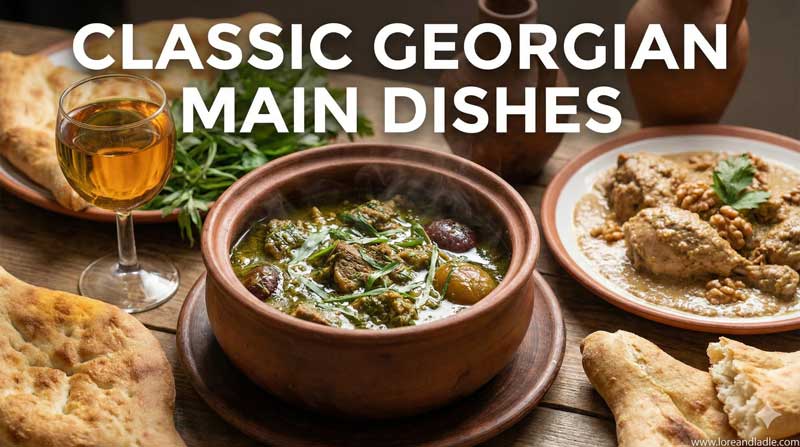
Next, bring in badrijani nigvzit as a starter or side. Thinly slice grilled eggplant, spread a walnut-herb paste, and roll or fold. The result is elegant, easy to assemble, and ideal for sharing. You can also prepare chakhapuli-inspired chicken or lamb in a tomato-green sauce, bright with tarragon. It makes a comforting main when the weather is cool or when you crave a heartier, homey flavor.
For a complete evening, pair with a simple soup or a fresh herb salad. A bowl of seasonal greens, sesame seeds, and lemon can brighten the meal. A small plate of assorted breads invites dipping and sharing. If you drink wine, Georgia’s cool whites and red blends offer a compatible companion to the varied flavors on the table. The goal is to let the dishes breathe, to listen to the textures, and to enjoy the aroma of coriander, dill, and roasted nuts.
A Small Pantry for Georgia-Style Home Dinners
A few staples create opportunities for home chefs to improvise. Stock flour for dough, a soft cheese such as fresh sulguni if available, or a mild feta as a close stand-in. Keep walnuts ready for pastes, along with garlic and onion. Fresh herbs—dill, cilantro, mint—lift dishes with brightness. Dried khmeli suneli lets cooks season with Georgian depth even when fresh spices aren’t on hand. For sauces, keep plum puree or a jar of tkemali on the shelf. Finally, olive oil, lemon, and a touch of honey help balance flavors and finish dishes with shine.
With these items, you can begin to explore a week of dinners that feel authentically Georgian while staying flexible for a modern kitchen. The beauty is that you don’t need every ingredient to capture the essence of the cuisine. Start with one dish, then add another, and soon the home becomes a small, welcoming hearth of Georgian flavor.
Seasonal Inspirations: Keeping Dinners Fresh All Year
In spring, greens, fresh herbs, and light cheeses take the lead. A walnut herb spread lightly dressed with lemon fits this time of renewal. In summer, plums and fresh eggplant shine. Tkemali can brighten a grilled vegetable dish or serve as a simple glaze for chicken. Autumn brings nuts, pumpkins, and root vegetables. These can become the stars of a pkhali-style course or a creamy walnut sauce over roasted squash. Winter invites warming soups and slow-cooked stews flavored with dill and coriander. The spice blend khmeli suneli helps the dishes feel comforting and festive.
These seasonal shifts emphasize a core idea: Georgian home dinners are adaptable without losing their soul. Each season offers a new palette, yet the same love for shared meals remains at the center.
Closing: The Living Tradition of Home Dinners
Fresh Ways to Enjoy Everyday Georgian Home-Style Dinners Without Leaving Home is more than a menu. It’s a celebration of place, family, and craft. The dishes reveal how tradition and modern life can harmonize in a cozy kitchen. The result is meals that feel timeless and new at once. Each bite invites gratitude for simple ingredients and careful preparation. Most of all, these dinners remind us that food can be a quiet, powerful bridge to culture, made at Home with care, curiosity, and joy.