
Introduction
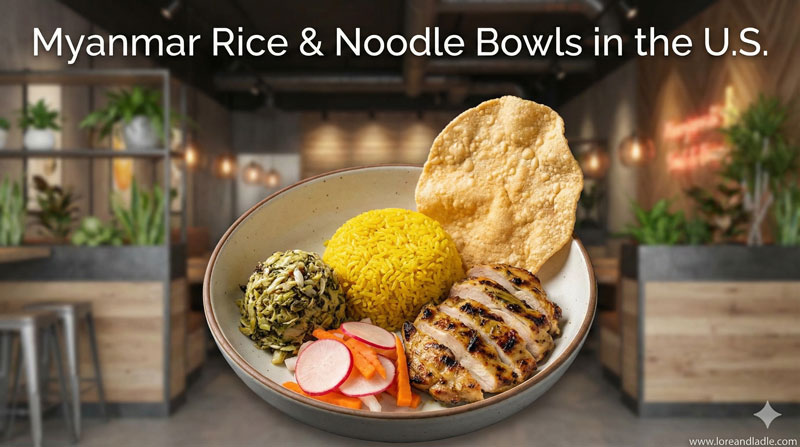
Grilled Myanmar Rice & Noodle Bowls in the U.S. brings a bright, warm spirit to backyard gatherings. This dish blends two beloved Burmese staples—rice and noodles—into one versatile bowl. It invites friends to share space, aroma, and color, turning a simple cookout into a celebration of flavor and craft.
Why these bowls matter in Burmese cuisine
In Myanmar, meals often center on balance and freshness. A bowl that combines grains with delicate noodles creates a comforting, satisfying base. The grilling element adds a smoky depth that echoes outdoor cook traditions. Together, these components tell a story of daily life: thoughtful preparation, seasonal produce, and cheerful gatherings around a table.
Core ingredients and grilling technique
- Key grains: fragrant jasmine rice provides a soft, fluffy foundation, while thin rice noodles add light chew.
- Proteins and vegetables: grilled chicken, pork, fish, or tofu mingle with cucumber, shredded cabbage, bean sprouts, and crisp herbs.
- Flavor builders: basil, cilantro, mint, lime wedges, minced garlic, shallots, and a touch of chili oil or crushed peanuts.
- Sauces and condiments: fish sauce or soy for salt, tamarind or lime for brightness, a sesame-ginger note can anchor the dish.
- Optional authenticity: a small amount of ngapi (fermented fish paste) can be added for depth, but it’s perfectly delicious without it.
How to bring it together: grill the proteins until lightly charred, steam or fluff the rice, and soften the noodles if needed. Arrange bowls with a base of rice and noodles, add the grilled proteins, pile on crisp vegetables, and finish with fresh herbs and a bright squeeze of lime. The result is a bowl that bursts with aroma and color, inviting people to mix and savor.
Cultural value in the home and garden
These bowls celebrate shared cooking and open-air dining. The act of assembling bowls together encourages conversation, laughter, and pacing meals to the rhythm of a summer afternoon. Colorful garnishes—green herbs, pale noodles, ruby tomatoes—create visual harmony that mirrors the care put into each component. By serving a flexible, approachable dish, hosts honor Burmese culinary traditions of hospitality and mindful eating, while inviting guests to participate in the creation process.
Adapting Burmese flavors for U.S. backyard gatherings
- Ingredient flexibility: swap herbs based on what’s fresh at the market. Use romaine or lettuce cups for a crunchy, portable experience.
- Protein options: turkey, shrimp, or tempeh can replace or complement poultry and tofu.
- Sauce adjustments: lighter soy or fish sauce blends with lime and chili oil suit milder palates; a splash of coconut milk can soften heat and add a creamy note.
- Plant-forward versions: emphasize vegetables and herbs to create vibrant, colorful bowls that highlight freshness.
- Make-ahead tips: grill proteins earlier in the day, chill noodles, and assemble bowls just before serving to keep textures lively.
Serving ideas and presentation
- Bowls that showcase layers: start with rice and noodles, then layer proteins, vegetables, and herbs for a rainbow effect.
- Garnish play: scatter crushed peanuts, sesame seeds, and micro-herbs to add texture.
- Table setting: offer small plates and tongs or chopsticks to encourage sharing and easy passing.
- Time-saving setup: pre-chop herbs and vegetables; set out dressings in small jars for guests to customize.
Quick menu ideas for backyard gatherings
- Classic bowl: grilled chicken, jasmine rice, thin rice noodles, cucumber, mint, cilantro, lime, and chili oil.
- Seafood twist: grilled fish or shrimp, rice, noodles, shredded cabbage, bean sprouts, basil, and a sesame-lish dressing.
- Veg-forward option: tofu or tempeh, mixed greens, peppers, cilantro, garlic-lime vinaigrette.
- Bold and bright: add pickled vegetables for tang, roasted peanut dust, and a touch of tamarind for sweetness.
- Kid-friendly version: milder sauces, extra rice, and familiar vegetables like cucumber and corn.
Conclusion
Grilled Myanmar Rice & Noodle Bowls offer a graceful bridge between Burmese culinary heritage and American backyard gatherings. They honor flavor, balance, and the joy of sharing a meal outdoors. With thoughtful ingredients, adaptable techniques, and an inviting presentation, this dish becomes more than food—it becomes a warm invitation to celebrate culture, craft, and community in every bite.