
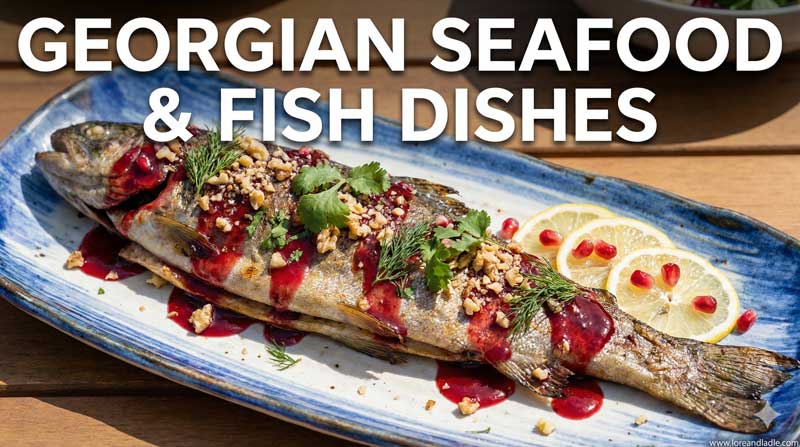
A Fresh Look at Grilled Salmon with Adjika
Grilled salmon with adjika is quietly reshaping American dinner tables. It blends bright spice with clean, ocean-fresh fish in a way that feels both adventurous and welcoming. The dish invites cooks to celebrate texture, aroma, and color. In households and in modern eateries, this pairing shines because it is vivid yet approachable. The result is a dish that tastes thoughtfully crafted, yet simple enough for weeknights.
What Adjika Brings to the Table
Adjika is a vibrant paste from the Caucasus region. It centers on peppers, garlic, and herbs, with oil binding the flavors into a glossy glaze. The heat is balanced by fresh notes from cilantro or dill, and often a touch of sweetness from ripe peppers. This sauce adds warmth without heaviness. When brushed onto grilled salmon, adjika creates a bright, spicy lacquer that enhances the fish’s natural fattiness. The combination is dynamic: smoky grill, crisp skin, and a lively herbaceous finish.
The Grilling Moment: Technique That Elevates Flavor
Grilling turns the salmon into a show of texture and aroma. The high heat seals in moisture, giving a tender, flaky interior. Meanwhile, the surface develops a light crust that holds the adjika’s oils and spices. Apply adjika with a light hand early in the process, then finish with a final brush toward the end. This approach preserves the sauce’s vivid character and prevents it from burning. The result is a salmon plate that looks as striking as it tastes, with a glossy sheen and a tempting fragrance.
Flavor, Texture, and Color: A Harmonious Trio
The flavor profile of grilled salmon with adjika is a study in balance. The fish provides clean, buttery notes and a healthy backbone of protein. The adjika adds warmth, garlic zing, and peppery brightness. The glaze creates a savory sheen that catches the eye and deepens the aroma. Texturally, the tender salmon contrasts with a slightly crisp exterior, while the sauce remains silky on the palate. Visually, the red-orange hue of adjika against pale pink fish offers a pleasing, kitchen-worthy presentation.
Cultural Value and Culinary Significance in American Kitchens
This dish embodies a spirit of culinary curiosity. It invites cooks to explore global flavors with confidence and precision. In home kitchens, adjika serves as a pantry-friendly seasoning that can elevate ordinary weeknight meals. In restaurants, it often appears as a signature glaze, signaling a menu that respects bold, balanced heat and fresh ingredients. The approach encourages layering: a simple salmon can become a centerpiece with a thoughtful sauce and a careful cooking method. It also supports flexibility—adjust heat, herbs, or citrus to suit personal taste—making it accessible to beginners and satisfying for seasoned cooks.
Moreover, the combination highlights how American kitchens increasingly value bright, ingredient-forward cooking. The salmon’s freshness pairs with adjika’s lively spice to create a dish that feels both comforting and contemporary. The result is a food moment that sparks conversation, invites experimentation, and celebrates well-made, flavorful food without complexity or fuss.
Practical Steps for Home Cooks
- Ingredients: salmon fillets, adjika (red or green), olive oil, lemon, salt, pepper.
- Prep: pat the salmon dry, brush with a light coating of olive oil, and season simply with salt and pepper.
- Grill: preheat the grill for hot, clean heat. Cook until the flesh just begins to flake, turning once.
- Finish: brush with adjika during the last minutes of grilling, then add a final drizzle of lemon juice to brighten the plate.
- Serve: pair with a crisp salad, roasted vegetables, or a light grain like quinoa or farro.
Variations and Pairing Ideas
- Mild adjika: use a gentler pepper blend for a more approachable heat.
- Green adjika: offers a fresh herbal note that pairs well with citrus and dill.
- Dairy balance: a spoon of yogurt or a dollop of labneh on the side can mellow the heat and add creaminess.
- Accompaniments: lemon wedges, thin cucumber ribbons, and sesame seeds provide textural contrast and color.
A Final Thought: Why It Resonates
Grilled salmon with adjika resonates because it is both vibrant and familiar. It respects the fish’s delicate character while inviting a lively, globally inspired glaze. This harmony suits American kitchens that value flavor clarity, efficient technique, and stylish presentation. The dish stands as a testament to how a simple sauce can redefine a classic ingredient. It invites joy at the table and motivates cooks to explore, celebrate, and share good food with care.